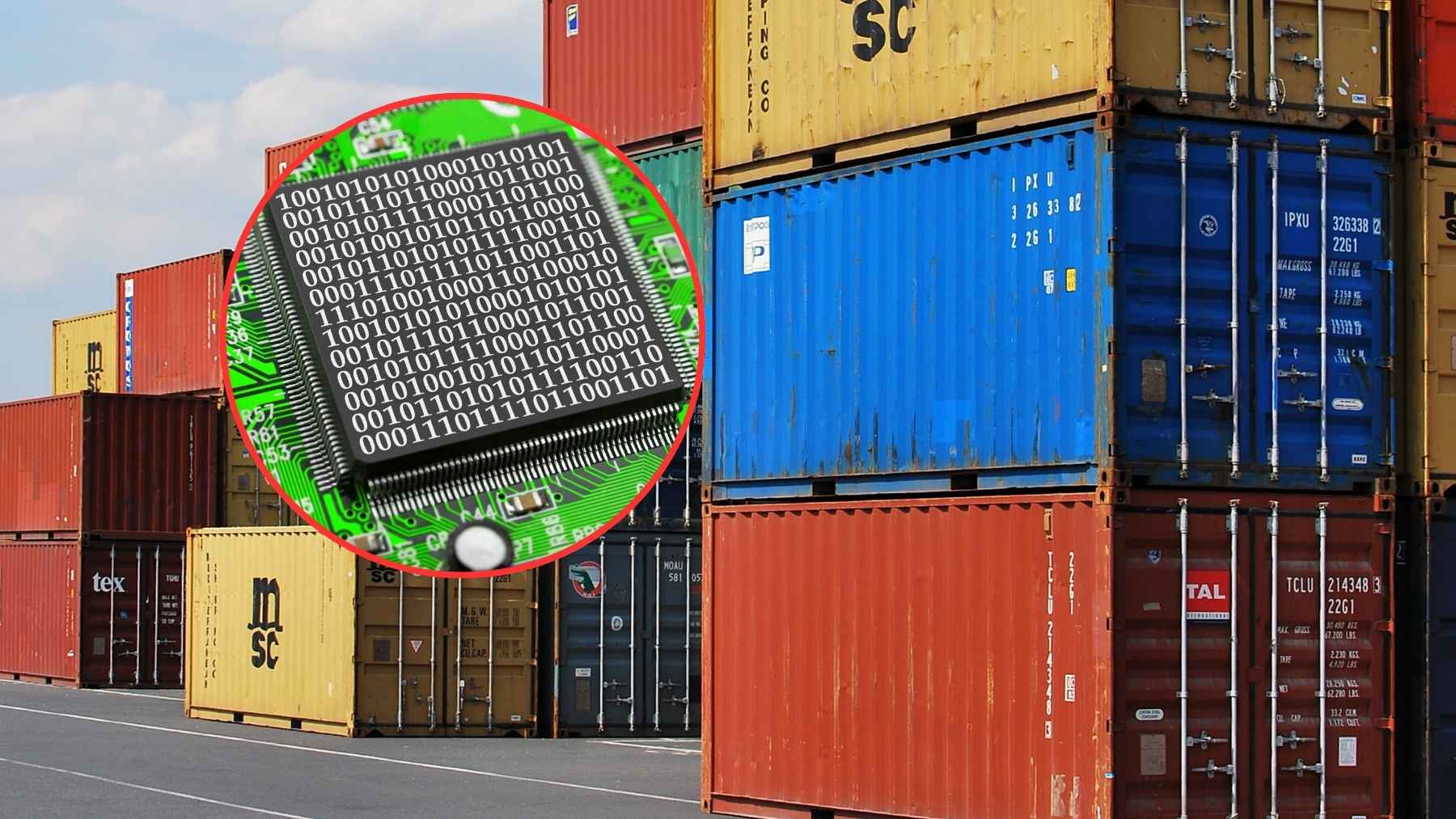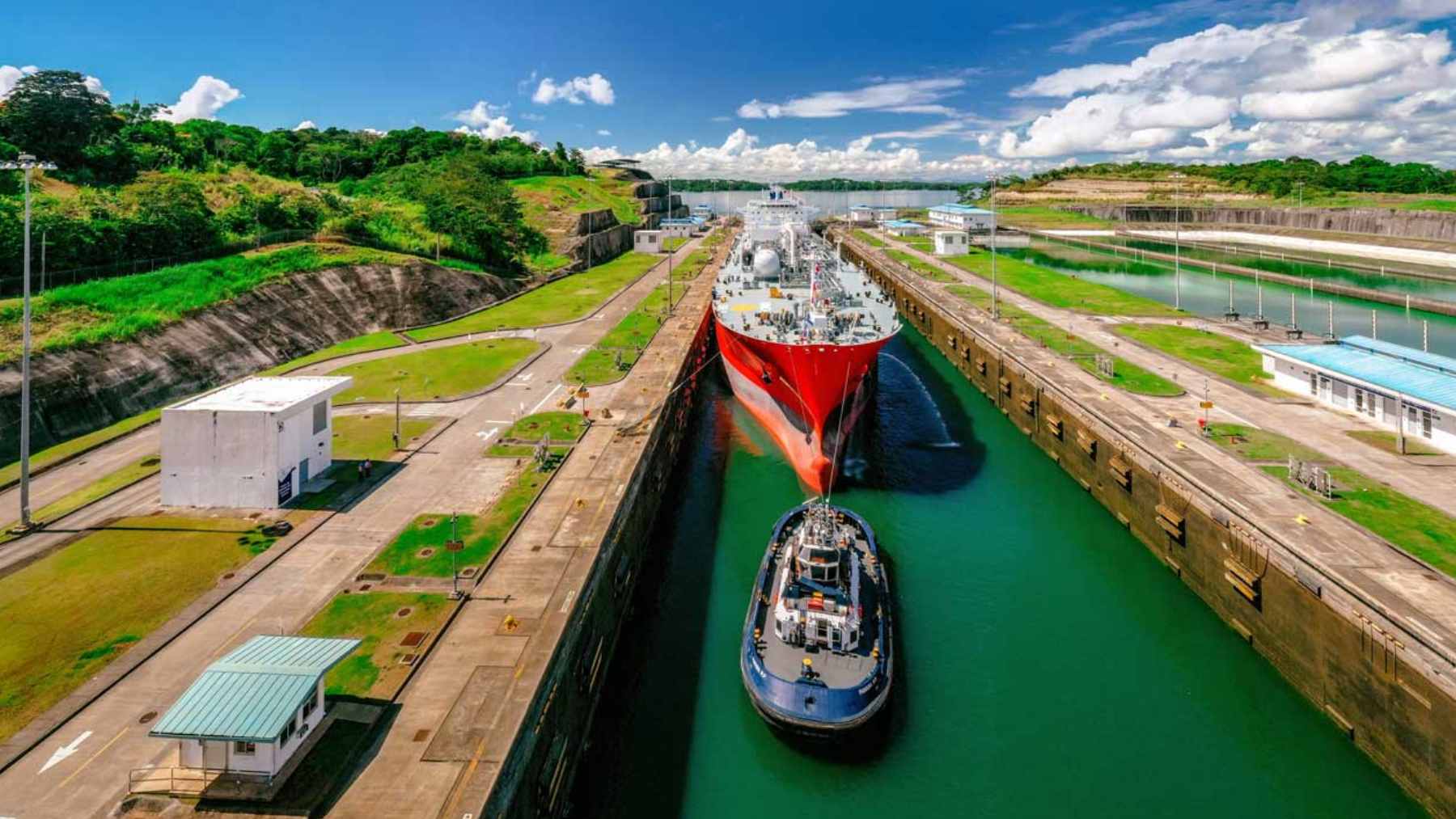
The Panama Canal has become the world’s emergency detour. In recent weeks, some vessels have paid more than $1 million at auction for a last-minute slot, and the Associated Press has reported cases where companies spent up to $4 million to move through the waterway faster.
That scramble is not just a business story. It is also an environmental one, because the canal runs on freshwater and global shipping already carries a heavy carbon footprint. What happens when a security crisis collides with a climate system that depends on rain?
A war premium on the world’s shortcuts
The canal’s own figures show how fast the market has turned. The Panama Canal Authority says the average auction price jumped from roughly $135,000 to $140,000 before the Middle East conflict to about $385,000 in March and April, with three to five daily slots offered through auctions for ships that did not book ahead.
That matters because the canal typically helps move about 6% of global trade, so a small change in how ships route can ripple across electronics, grain, and consumer goods. In the first half of fiscal year 2026, the canal recorded 6,288 transits and 254 million tons moved, about 5% higher than a year earlier, with some peak days surpassing 40 transits.
Security shocks do not stay at sea
The Strait of Hormuz is not just another narrow waterway. It typically handles around 20% of global oil and gas flows, which is why even short disruptions can shake energy markets and household budgets.
Reuters reported that Iran seized two container ships near the strait in late April, including the Panama-flagged MSC Francesca. That kind of risk is why companies are paying for a different route, even if the premium eventually shows up as fuel surcharges and pricier goods on store shelves.
The canal runs on rainwater
There is a catch that is easy to miss if you only watch freight rates. A single transit uses about 50 million gallons of freshwater released from Gatun Lake into the locks, and the canal watershed also supports drinking water for more than half of Panama’s population.
That is why canal officials keep talking about drought, even during a demand surge. They say unusually heavy rainfall has kept Gatun and Alhajuela lakes at maximum levels, but the canal is also conserving water ahead of a possible strong El Niño later this year.
The newer locks also use water-saving basins that can reuse about 60% of the water in a lockage, which helps, but it does not make supply infinite.
Detours have a carbon bill
When routes change, emissions change. Shipping accounts for about 3% of global greenhouse gas emissions, and longer voyages or higher speeds to make up time can push fuel burn up, even if the impact varies by vessel and cargo.
Oil flows show the dilemma in real time. Reuters has reported that U.S. crude is heading to Asia via the Panama Canal more often during the Iran crisis, but fully loaded Suezmax tankers cannot pass and have to load partially.
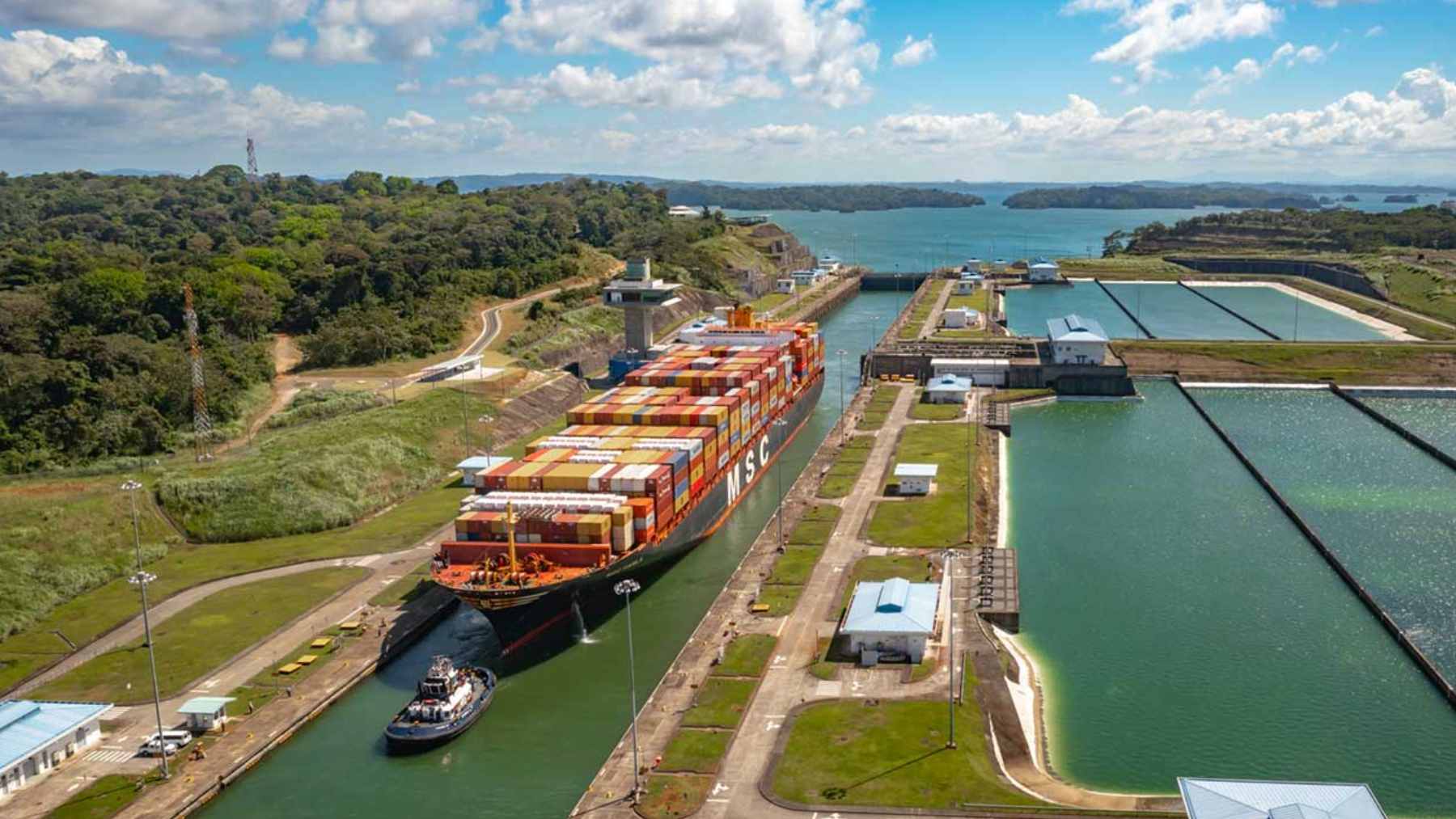
In practical terms, that can mean more trips on smaller ships, more combustion, and more coastal air pollution on days when the heat already feels sticky.
Tech and policy can reduce the damage
No software can reopen a strait under fire, but better data can reduce the knock-on effects. Automatic Identification System tracking, satellite monitoring, and improved scheduling tools can help carriers avoid idling in queues, while real-time emissions tracking makes it harder to ignore the environmental cost of “just rerouting.” There are no easy fixes.
Policy is moving, too, even if it moves slowly. The International Maritime Organization has set a course toward net-zero emissions from international shipping by or around 2050, and the real question is whether crisis planning and decarbonization planning finally become the same thing.
What to watch next
If the Hormuz disruption drags on, Panama’s surge pricing may look less like a temporary spike and more like a preview of a new normal. At the same time, an El Niño-driven dry season would tighten freshwater availability just as demand rises, forcing tougher choices about drafts, slots, and who gets priority.
Keep an eye on the water levels, the fuel surcharges, and the emissions disclosures that big shippers increasingly have to publish.
The official statement was published on Panama Canal Authority.