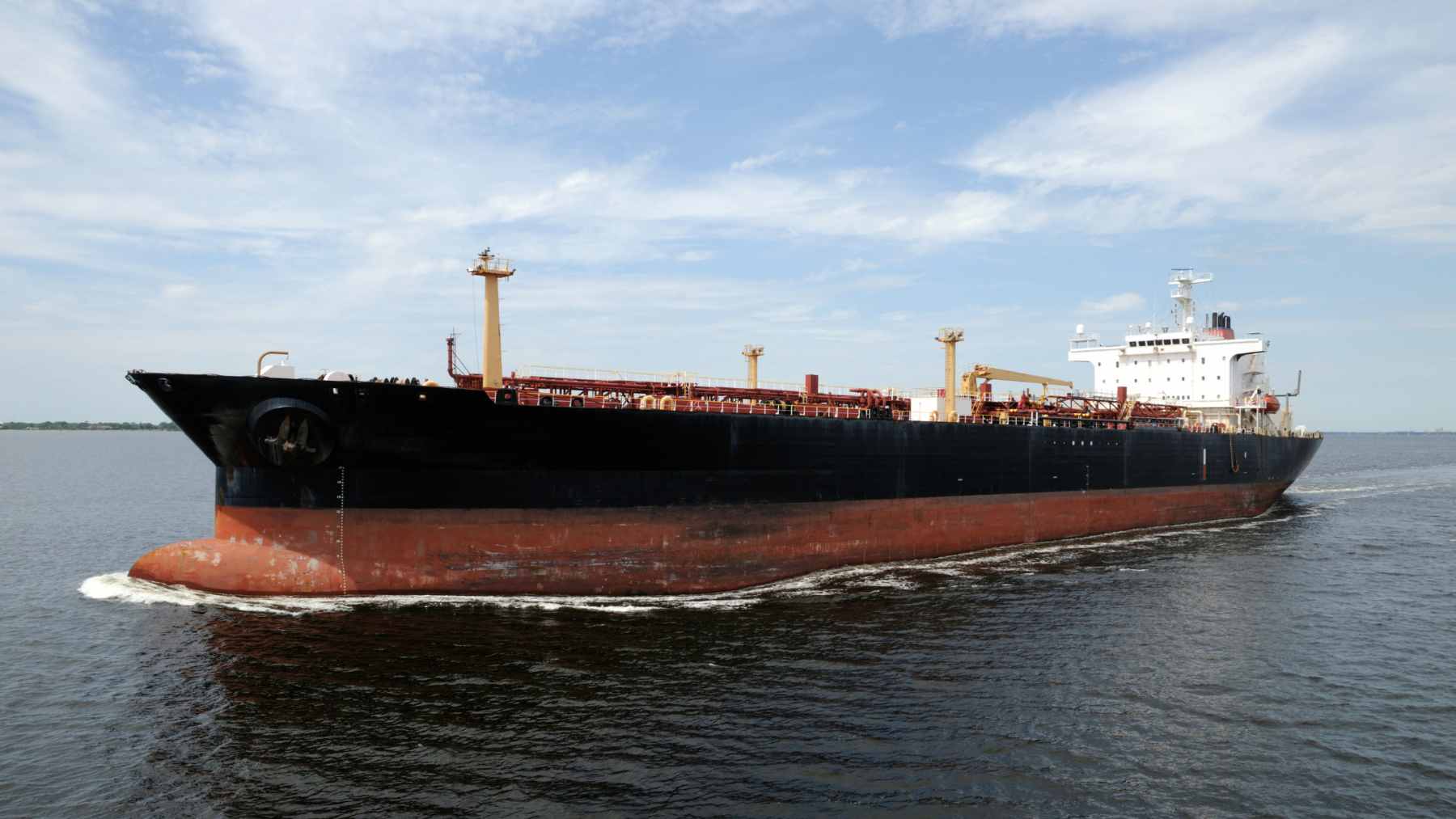
Mexico will send one million barrels of crude oil to Japan after a phone call between President Claudia Sheinbaum and Japanese Prime Minister Sanae Takaichi, with state oil company Pemex handling the export.
The shipment is expected in July, as Japan tries to lower the risk of supply disruptions linked to the war in Iran and instability around the Strait of Hormuz.
At first glance, this looks like a routine cargo deal, but it also raises a bigger question. When shipping lanes turn into front lines, who pays the environmental bill, and how fast do governments fall back on fossil fuels when prices start showing up on the gas station sign and the electric bill?
A crisis in the oil chokepoints
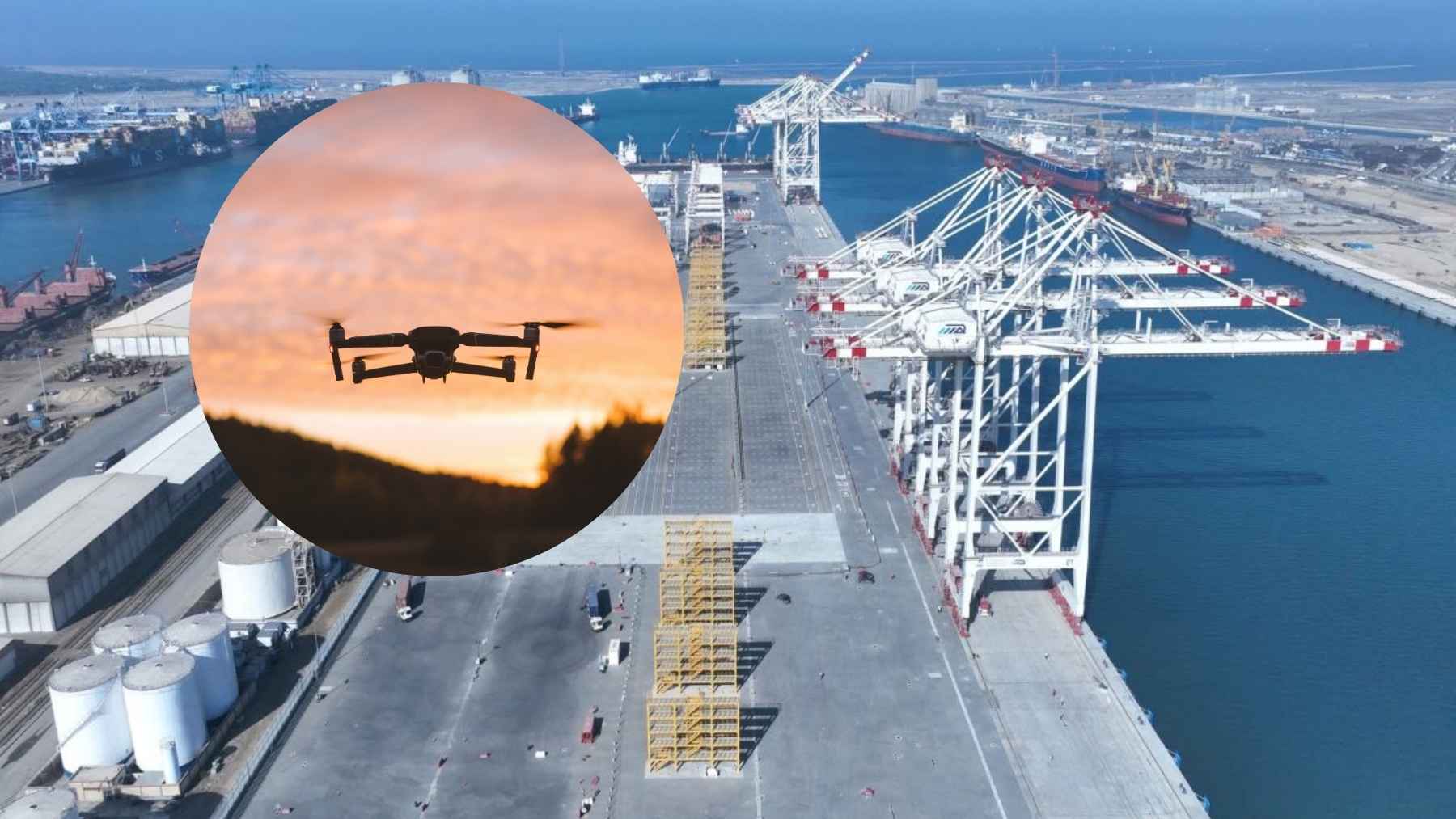
Hormuz is not just a narrow stretch of water on a map. In 2025, nearly 15 million barrels per day of crude oil moved through the strait, about 34% of global crude oil trade, and most of it was headed to Asia.
Once a route like that becomes a military problem, everything gets more expensive. Japan has issued public messages focused on “freedom of navigation” in Hormuz, and U.S. officials have warned that clearing sea mines there could take up to six months.
But Hormuz is only part of the story. The Strait of Malacca carries a huge share of global trade and a significant slice of seaborne oil, so any detour away from one chokepoint can quickly add pressure to another.
Why Japan looked all the way to Mexico
Japan’s vulnerability is baked into its geography. Japan imported about 36 billion gallons of crude in fiscal 2024, and about 95.9% of those imports came from the Middle East, according to industry data that cites Japan’s METI.
That dependence is why Tokyo is dialing producers far outside its usual orbit. Japan’s foreign ministry said the two leaders agreed to strengthen energy cooperation, and that Takaichi also raised the need for a favorable environment for Japanese companies in Mexico as both sides discussed a dialogue framework on economic security.
Sheinbaum has presented the shipment as achievable because it comes from exportable supply. She told reporters that “the agreement is for one million barrels to be delivered over a specified period,” and noted that Mexico routes up to about 1.4 million barrels per day of crude to domestic refineries while exporting roughly 400,000 to 500,000 barrels per day.
The environmental math behind one million barrels
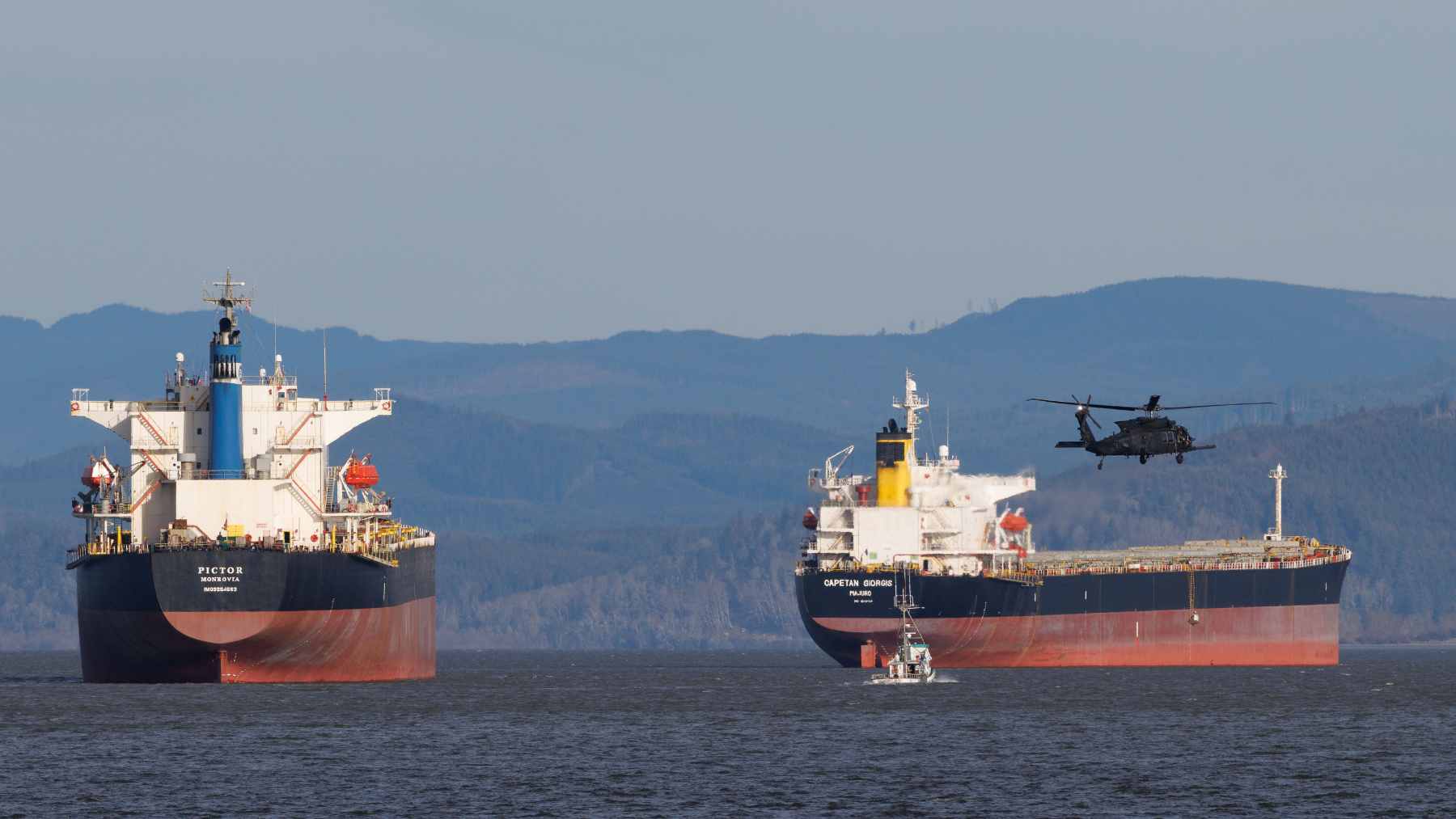
One million barrels can sound small next to global demand, yet its climate footprint is not trivial. A U.S. government calculation commonly used for emissions equivalencies puts combustion at about 0.47 tons of CO2 per barrel, which translates to roughly 470,000 tons of CO2 if those barrels are ultimately burned as fuel.
That figure does not include the extra emissions from refining and long-haul shipping, which are harder to pin down in a single number.
International shipping accounted for about 2% of global energy-related CO2 emissions in 2022, and the IEA says the sector’s oil consumption reached 4.2 million barrels per day in 2023. Longer routes can mean more fuel burned before crude ever reaches a refinery gate.
Mexico’s local ecology stakes are in the frame, too. Pemex has faced scrutiny over a Gulf of Mexico oil spill this year, which is a reminder that fossil fuel supply is not only a carbon issue, it can become a coastal livelihood issue in a matter of days.
Tech is becoming the new fuel insurance
In practical terms, the next battle is not only over barrels, it is over data. Traders, insurers, and governments lean on satellite tracking and analytics to spot congestion and risk, while refiners use digital planning tools to handle different crude blends without wasting energy.
Regulators are also forcing the sector to quantify what it burns at sea. The International Maritime Organization made ship energy efficiency rules and the operational Carbon Intensity Indicator mandatory starting in 2023, which pushes operators to pay attention to route choices, speed, and maintenance that can quietly save fuel.
If that sounds abstract, think of it like a shipping version of a mileage sticker. The same software that helps a tanker avoid danger can also help it avoid unnecessary emissions, but only if the reporting is credible and the incentives stick.
What businesses should watch next
For companies, the immediate issue is volatility, because that is what hits procurement budgets first. One Mexico to Japan cargo does not replace the Middle East, but it signals that more diversified sourcing and more unpredictable maritime routing are becoming the new normal.
For climate policy, the bigger question is whether repeated supply shocks speed up clean power or distract from it. The IEA says energy-related CO2 emissions rose to 37.8 gigatons in 2024, and the world’s emissions trend is still heading the wrong way even as renewable deployment grows.
Either way, energy security is now part of the environmental conversation, whether governments admit it or not.
The official statement was published on Gob.mx.