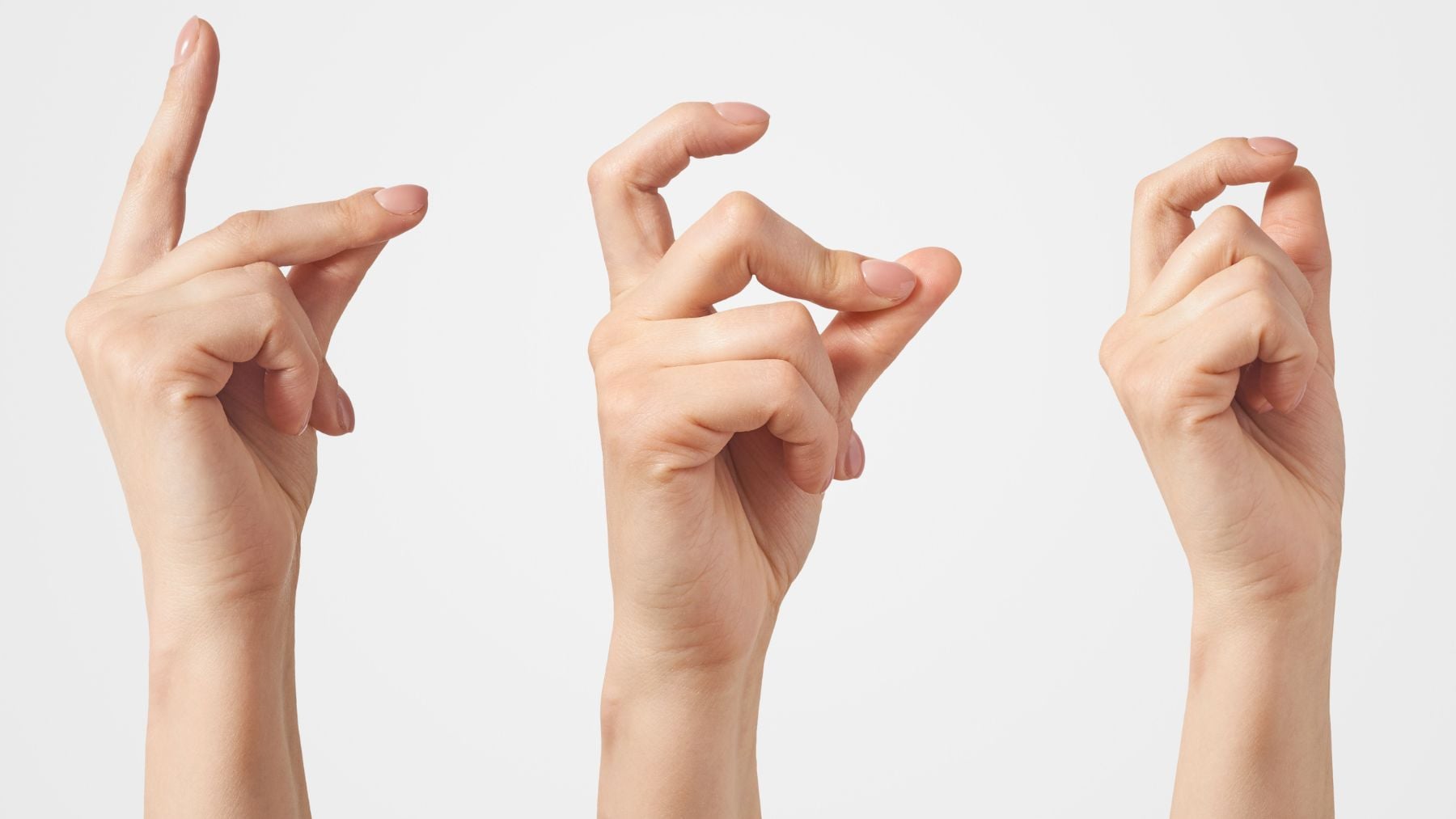
You’ve probably seen someone snap their fingers in the middle of a conversation, or even done it yourself. This simple gesture carries significant psychological weight. It can be a powerful nonverbal cue linked to how we express emotions, thoughts, and intentions.
Here, we’ll explore the various reasons people do this gesture during conversations, debates, or formal speeches. It may signal a range of internal states—from frustration to focused concentration—and even serve as a cognitive memory aid. We’ll examine how situational context, combined with other nonverbal signals such as facial expressions and posture, shapes its meaning and reveals deeper aspects of human behavior.
Why people snap their fingers during conversations
Finger-snapping is frequently a subconscious reaction linked to our immediate thoughts and feelings. Below, we examine four common reasons behind this gesture.
To stress a key point
Snapping can function like a verbal highlighter in nonverbal communication. When someone aims to reinforce a specific idea, they might use a finger snap to punctuate their words. Consider a teacher who employs a snap while saying, “This will be on the test”. The crisp sound draws attention and presents the message in a compelling way.
When words or the mind fail
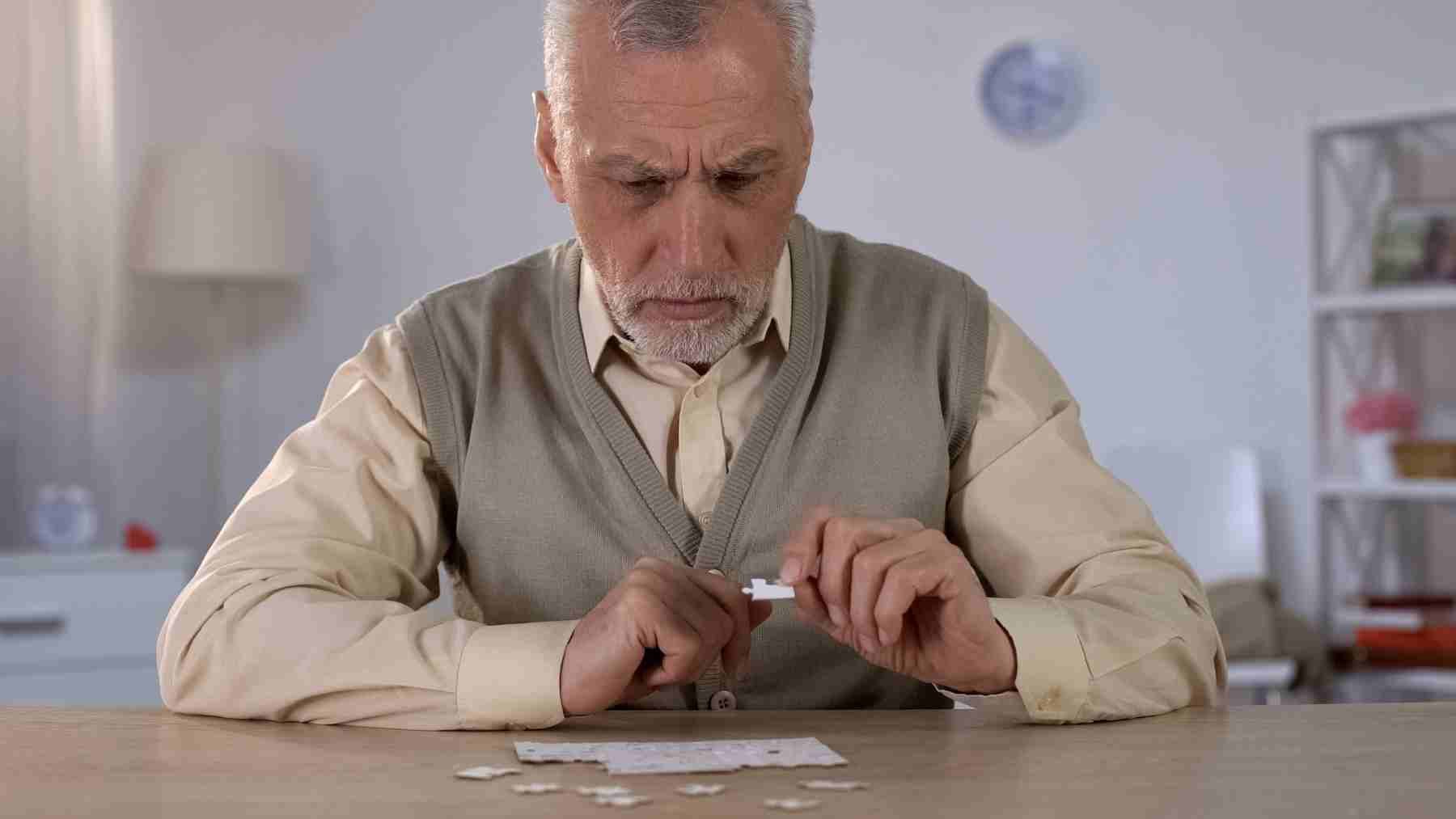
Have you ever snapped your fingers while grappling to recall a name or fact? In such moments, the gesture serves as a coping mechanism during tip-of-the-tongue episodes. The rhythmic movement can act as a placeholder while the brain searches for that elusive word.
Signaling impatience or annoyance
Snapping during an intense exchange, such as in an argument, often exhibits a rapid, sharp quality that signals impatience or irritation. It may be used to urge another person to “hurry up” or stop talking. For instance, an individual might snap while stating, “I’ve heard enough”. When combined with a stern tone or rigid posture, the gesture typically indicates frustration.
How to interpret finger-snapping
A snap delivered during an engaging story is unlikely to be hostile. However, an abrupt series of snaps in a tense situation may show inner conflict. It’s important to observe other cues—including tone of voice, facial expressions, and timing—to better understand the gesture’s intent. Ask yourself: Is the person smiling or scowling? Are they using the snap to emphasize a point or to interrupt another speaker?
If you regularly incorporate finger-snapping into your conversational style, consider how those around you might interpret it. Its excessive use in professional environments, such as corporate meetings or public presentations, may be perceived as distracting or even dismissive.
When a moment of forgetfulness strikes, try pausing to allow your thoughts to order instead of snapping. This break offers your brain the space it needs to think without rush.
Finger-snapping is a distinctive sign of nonverbal communication and not a habit that is right or wrong. By understanding the underlying psychological, social, and cognitive motivations behind this gesture, we’re better equipped to form more intentional connections with others, whether they’re emphasizing a key point, searching for the right word, or simply keeping up with the natural rhythm of conversation.