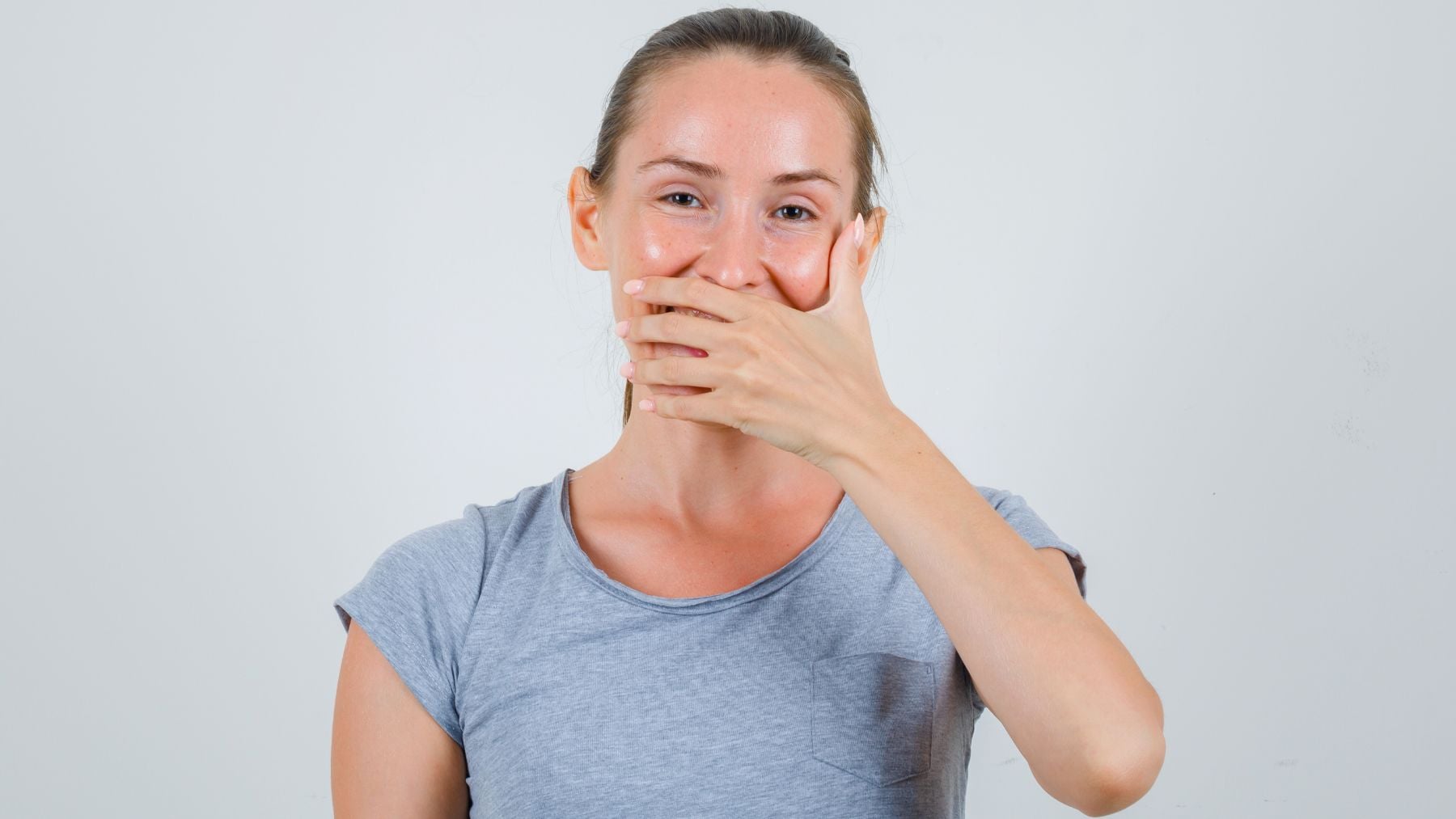
When a person covers their mouth while talking, one might quickly assume they are simply stifling a yawn or hiding a cough. This seemingly simple gesture, similar to others like scratching the back of your head, can reveal deeper emotions, such as discomfort, hesitation, or even deception.
Here, we’ll go over the psychology behind mouth-covering gestures. We’ll examine how context, cultural influences, and situational factors shape the meaning of this behavior, and distinguish between nervousness, the suppression of emotion, or quiet dissent. Let’s get started.
The meaning behind covering your mouth with your hand while talking
A single gesture can convey various meanings depending on the specific circumstances, the individual’s personality, and the environment in which it occurs. The following points illustrate several interpretations of this behavior.
Suppressing strong emotions
Covering the mouth often serves as an instinctive reflex to contain emotions from spilling over. In situations of surprise or distress, a person might instinctively press a hand to their mouth to suppress a gasp or prevent the onset of tears. Similarly, using the palm to stifle laughter may indicate a deliberate effort to maintain composure in a serious setting.
Hiding discomfort or insecurity
In conversations, this gesture can frequently signal underlying anxiety. Someone may cover their mouth while speaking if they feel uncertain about their words or are apprehensive about potential judgment. This behavior also acts as a subtle barrier against perceived scrutiny and is common among those who are socially uneasy.
In certain cases, it may even be linked to dishonesty. While not a guaranteed “lie detector”, covering the mouth can indicate that the person is withholding information or softening the truth. The act might suggest that they feel vulnerable about their next words because they’re not completely honest with themselves or with the listener.
Cultural norms and modesty
Cultural context also plays a role in interpreting these types of gestures. In Japan, it’s regarded as courteous for women to cover their mouths while laughing, reflecting a value for modesty and restraint. Similarly, in certain parts of the Middle East, covering the mouth during a yawn is a sign of respect and decorum.
These examples underscore the importance of considering cultural background and traditions before attributing the gesture to anxiety or suspicion.
Concealing thoughts or doubts
Another interpretation is that they’re purposefully holding back their opinions. For instance, during a debate, an individual might press their lips with their hand to temper an immediate objection. Alternatively, this gesture may suggest that the listener is deeply processing what is being said, a common reaction during periods of mental overload or confusion.
When observed alongside other nonverbal signals, such as crossed arms or a furrowed brow, the behavior more clearly points to skepticism or disagreement.
As we’ve seen, covering the mouth may reflect internal conflict, cultural behavior, or an emotional threshold nearing release. However, context remains essential. A nervous laugh in a job interview is different than a restrained gasp during a film. By observing the timing, other body language signals, and the person’s typical comportment, you can gain richer insights into the meaning of each particular gesture.