Visual assessments—similar to this one about picking your favorite clock—suggest that our spontaneous selections, like favoring one diamond shape over another, can offer insights into our personality. This exercise encourages you to reflect on aspects of your character that you might not typically analyze, including your self-assurance, self-esteem, and emotional resilience.
In this brief but thought-provoking activity, we’ll examine a simple visual test featuring various diamond shapes. You’ll select the shape that immediately resonates with you, and then explore what your choice might indicate about your confidence levels and other essential facets of your personality, such as impulsivity, sensitivity, and individuality.
The diamond test: what it says about your self-confidence
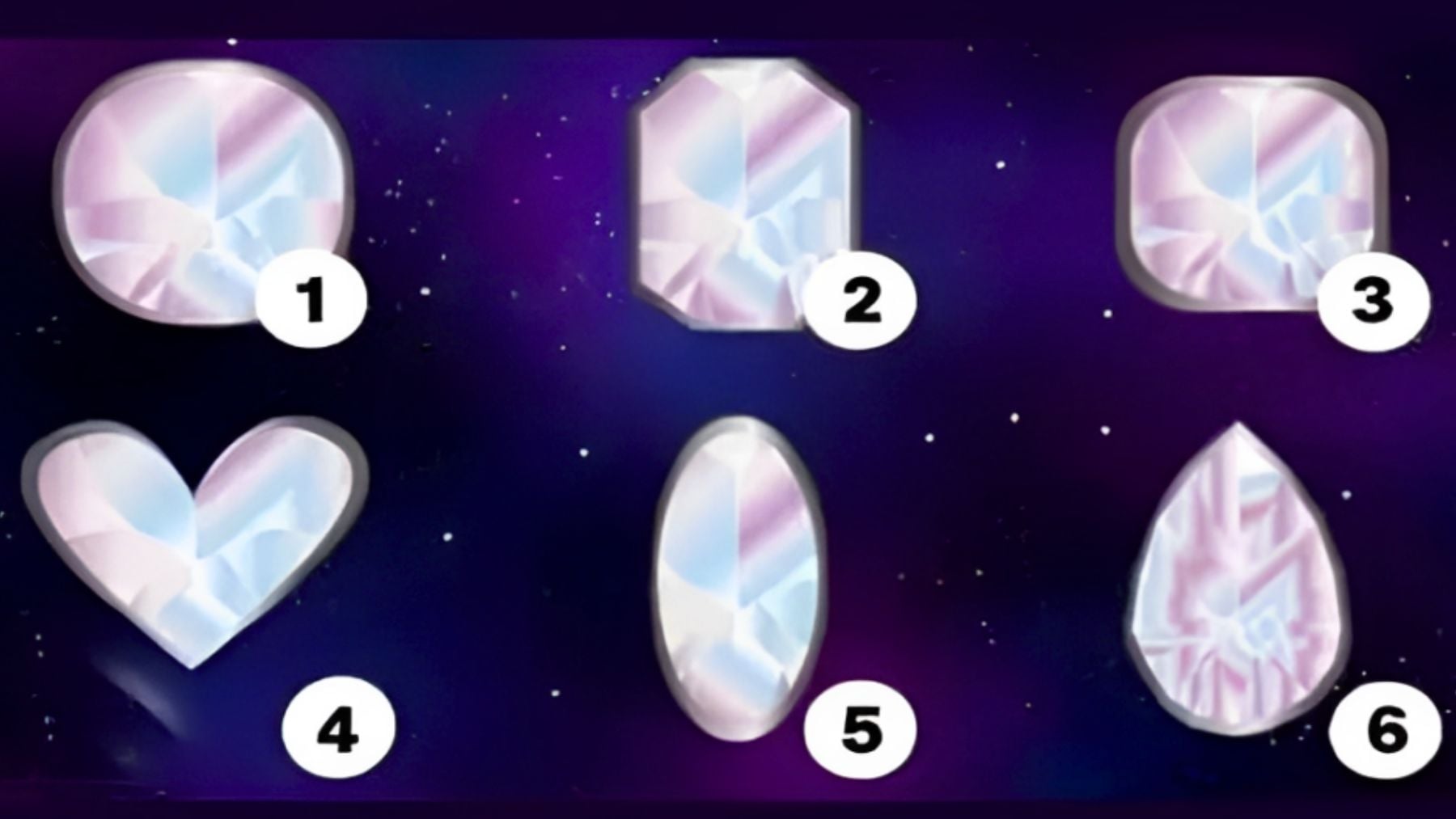
In the image above are six distinct diamond shapes. Examine the image and choose the one that appeals to you the most without overanalyzing your options—trust your first instinct. Now, read the matching description below.
Diamond 1
Opting for this particular shape typically indicates a subtle, inner confidence. You likely possess a secure sense of self that doesn’t depend on constant external validation. Your assurance is evident in your dependability, kindness, and willingness to help others. You place high value on simplicity and authentic connection, finding comfort in supporting people and nurturing harmonious relationships.
Diamond 2
If you’re drawn to this diamond, it may reflect a bold form of confidence. You seem to embrace challenges and willingly take risks, thriving on dynamic experiences and learning through action. Your self-assurance is energized by your sociable nature and a palpable belief in your abilities, which projects an image of fearlessness and decisiveness.
Diamond 3
Choosing this shape implies a calm confidence deeply anchored in inner stability. You tend to avoid flashiness and ostentation and stand out for your generosity and composed demeanor. Your confidence is nurtured by an intrinsic understanding of your worth, prioritizing substance and authenticity over superficial show.
Diamond 4
If this diamond captures your attention, it may indicate that your confidence comes with deep emotional insight and interpersonal warmth. You trust in your ability to forge meaningful connections and to care profoundly for others. Strengths such as sensitivity, charm, and empathetic communication fortify your self-belief, which is enhanced by nurturing relationships where you express thoughtful kindness.
Diamond 5
Opting for this diamond often signals an independent form of confidence that is both realistic and creatively driven. You have faith in your unique perspective and innovative ideas, embracing imperfections and viewing them as natural components of life. Unafraid to take calculated risks, your self-assurance is built on originality, self-reliance, and a clear-eyed assessment of your environment.
Diamond 6
Selecting this diamond indicates a resolute and goal-oriented type of confidence. You’re propelled by a strong determination to achieve your ambitions and maintain a firm belief in your capacity for success. Your optimism and loyalty to your pursuits manifest in a proactive, forward-thinking self-assurance, occasionally tempered by a protective instinct.
So, does your chosen diamond reflect your inner sense of self-confidence and the way you approach life’s challenges? Remember that this brief, enjoyable exercise is intended for self-reflection only, and it’s not rigorous science. Take it as an opportunity to gain a richer understanding of how you view yourself and how you interact with and interpret the world around you.