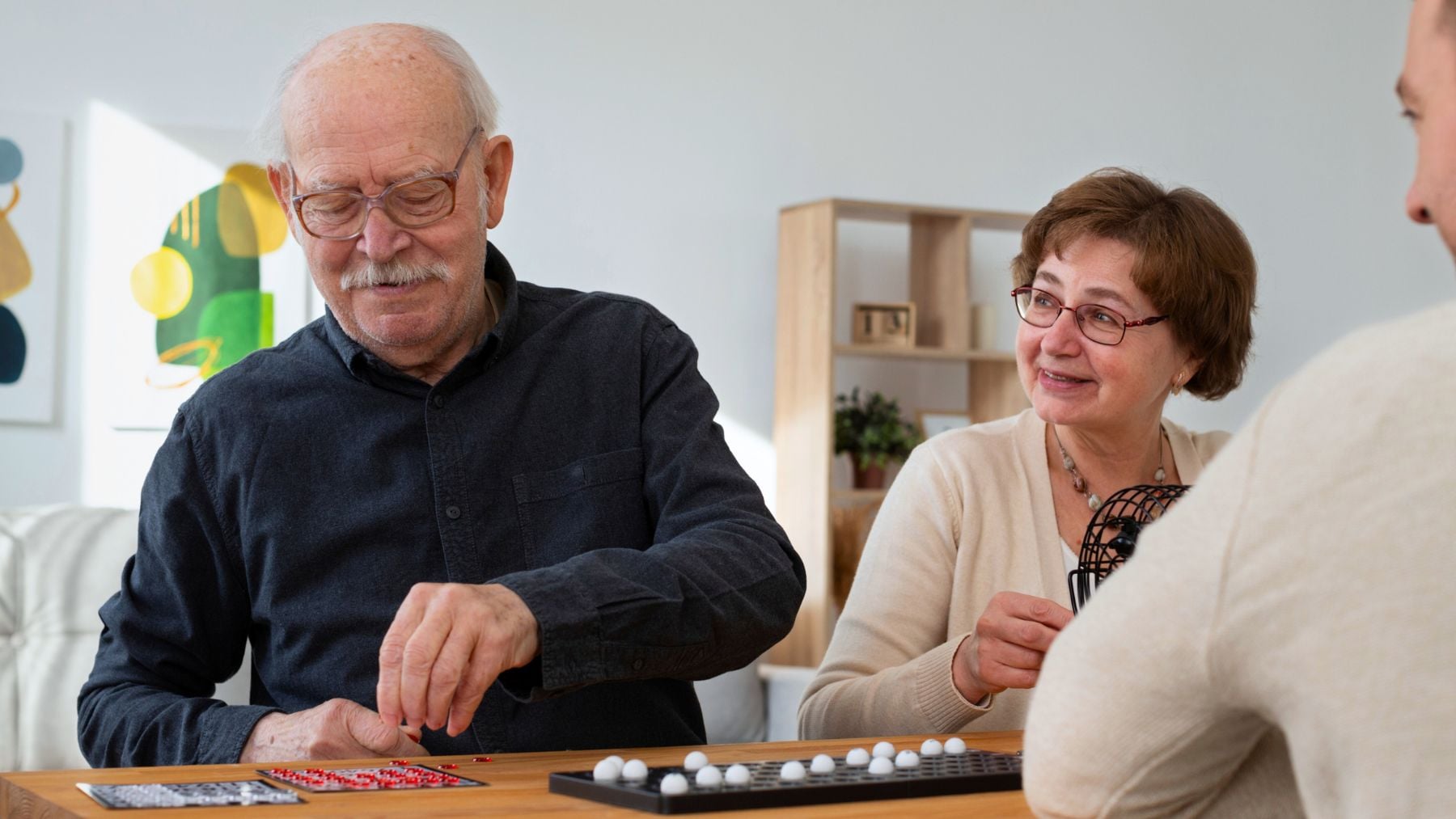
Simple memory games, similar to board games, provide an effective way to keep your mind sharp as you age. They help cultivate a valuable cognitive reserve—your brain’s intrinsic pool of resilience that defends against natural decline and conditions such as Alzheimer’s disease. The more cognitive reserve you build, the better your brain adapts and maintains neural plasticity in response to everyday challenges.
In the following section, we’ll explore how solving labyrinth puzzles can boost mental agility and develop that essential reserve. We’ll focus on discovering enjoyable challenges that not only entertain but also fortify your cognitive function.
Why solving labyrinths can be a good hobby for your brain
This activity challenges you to tackle problems and plan your route step by step, enhancing your decision-making abilities in ways that feel both enjoyable and practical. When you hit a dead end, you’re forced to quickly adjust your approach and rethink your strategy, which keeps your mind nimble and adaptive. Plus, tracking your path visually improves your focus, concentration, and spatial awareness.
The visual tracking involved in these puzzles can enhance hand-eye coordination, making daily activities—from reaching for objects to safely navigating busy environments—a bit easier. With adjustable difficulty, you can start with simple designs and gradually progress to more intricate puzzles. This incremental challenge builds confidence and improves your cognitive reserve, ensuring that your brain stays active and engaged.
Consider exploring digital maze games, interactive brain training apps, or even virtual reality puzzles. These modern twists offer the same cognitive benefits as traditional puzzles while incorporating elements like customizable difficulty, immersive environments, and detailed progress tracking. They provide fresh ways to challenge your mind, adding variety and excitement to your routine while fostering mental agility.
More brain-boosting activities retirees might enjoy
While labyrinth puzzles are excellent, incorporating a variety of stimulating activities can provide even more cognitive enhancement. Many everyday hobbies provide similar mental benefits by engaging diverse neural networks and cognitive functions. Here are some effective options:
- Puzzles (jigsaws): Assembling pieces in jigsaw puzzles enhances visual memory, spatial reasoning, planning, and fine motor skills. Choose a complexity that matches your experience to challenge your perceptual and cognitive abilities.
- Classic board games: Games such as chess or checkers require strategic planning, critical thinking, logical reasoning, and forecasting consequences. Additionally, games like dominoes sharpen short-term memory, rapid calculation, and visual perception.
- Card games: Ranging from simple matching exercises to the strategic intricacies of bridge, card games develop attention, concentration, and memory. Faster-paced card games further train quick thinking and decisive action.
- Word searches: Actively hunting for hidden words not only expands your vocabulary but also refines visual scanning, attention, and concentration.
- Crosswords: Completing crossword grids enhances vocabulary, reinforces semantic memory regarding word meanings, and boosts mental flexibility.
- Sudoku: This popular number puzzle sharpens logical reasoning, deduction skills, planning, and working memory.
The goal is not to conquer the most difficult challenge but to regularly engage in activities that you genuinely enjoy and that push you just beyond routine thinking. The pleasure derived from these challenges motivates ongoing practice, and mixing up your activities ensures that you exercise a diverse range of mental skills—from vocabulary and logical reasoning to planning and visual processing.