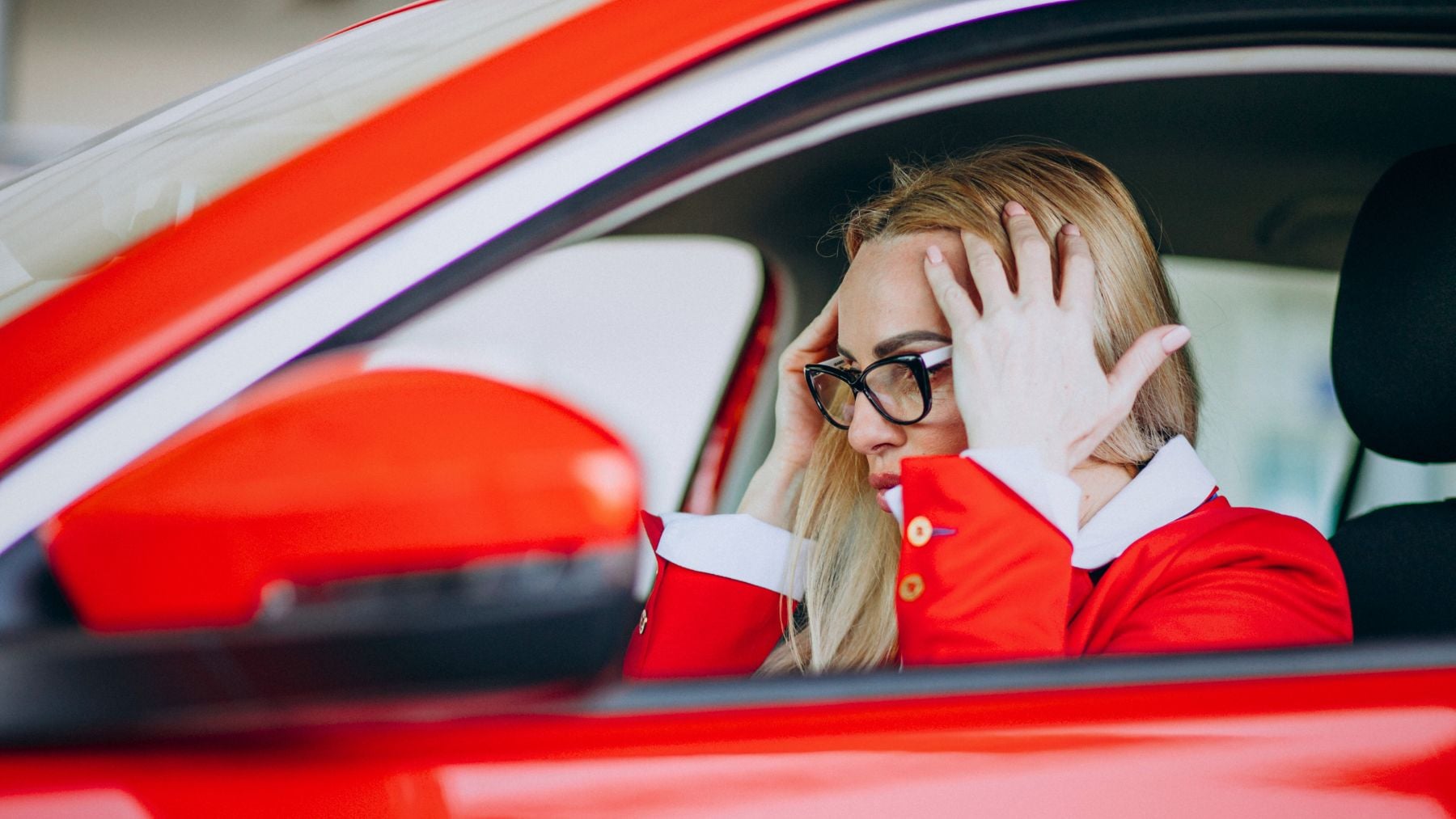
That surge of irritation when another driver speeds past you isn’t merely about traffic; it reflects a complex, raw human response. Road rage, though often experienced as an irrational burst, follows a discernible logic rooted in our need for control, personal identity, and safety on the road.
Your brain interprets being overtaken as a threat to your personal control, pride, or progress. This situation triggers anger that can be intensified by factors such as chronic stress, personality traits, and even the pressures of urban life. Here, we’ll examine why this specific scenario ignites such intense rage and outline practical techniques to stay calm behind the wheel.
Why being overtaken triggers rage in the car
Drivers often describe their car as a “personal space”, and for good reason. When another car intrudes into that domain, it’s registered as a physical aggression, much like someone abruptly shoving past you in a crowded room. This triggers the brain’s fight-or-flight response, even when the maneuver itself is objectively harmless.
This defensive reaction intensifies when the overtake is interpreted as deliberate personal. Perhaps the driver didn’t use a turn signal or accelerated precisely as you attempted to change lanes, and such actions may seem intentional. We are wired to react strongly to perceived slights, and on the road, the inability to address the transgression in person amplifies the feeling of vulnerability, allowing irritation to quickly escalate into fury.
For some, the anger originates from a sense of being “beaten”. When you are caught in heavy traffic or feel that you’re driving slower than desired, watching another vehicle zip ahead taps into a primal competitive instinct. Drivers with high confidence in their abilities may view overtaking as a challenge to their skill, prompting them to accelerate or even maneuver aggressively to reassert their dominance.
Besides, stress plays a significant role in magnifying this reaction. A difficult day at work, family tensions, or accumulated life stressors lower your tolerance for minor frustrations, transforming everyday driving mishaps into potent triggers of road rage. And because driving provides a veil of anonymity, the usual social constraints that might temper your anger in face-to-face interactions are absent.
How to keep cool when drivers pass you
Recognizing the root causes of your irritation is the first step in managing your response when overtaken. Here are some recommendations:
- Acknowledge the emotion, then question it. When you feel irritation rising, identify your feelings and ask, “Is this actually harming me?”. In most instances, you will realize that the anger does not serve any practical purpose. This pause disrupts the automatic emotional response.
- Reframe the other driver’s intent. Instead of immediately attributing malice, consider that the other driver may simply be distracted, inexperienced, or caught in an unforeseen rush. Viewing their actions as reflections of situational factors rather than deliberate disrespect can help reduce the intensity of your reaction.
- Focus on what you control. Although you can’t dictate the behavior of others, you can adjust your actions. This might involve modifying your speed, choosing a calming playlist, or taking an alternate, less congested route.
- Use anonymity as an advantage. Remember that the other driver’s opinion holds no weight because you are unlikely ever to encounter them. Their actions are a reflection of their state and circumstances, not a judgment of your skills or worth.
- Check your speed and your self-talk. If being overtaken reminds you that you are driving slower than intended, consider safely adjusting your pace. Otherwise, release the “race” mentality that can compromise both focus and safety.
Anger on the road is an expression of how we perceive threats to our ego and sense of control. By separating the event from the narrative you construct around it, you transform a potentially volatile situation into a practice of emotional resilience.