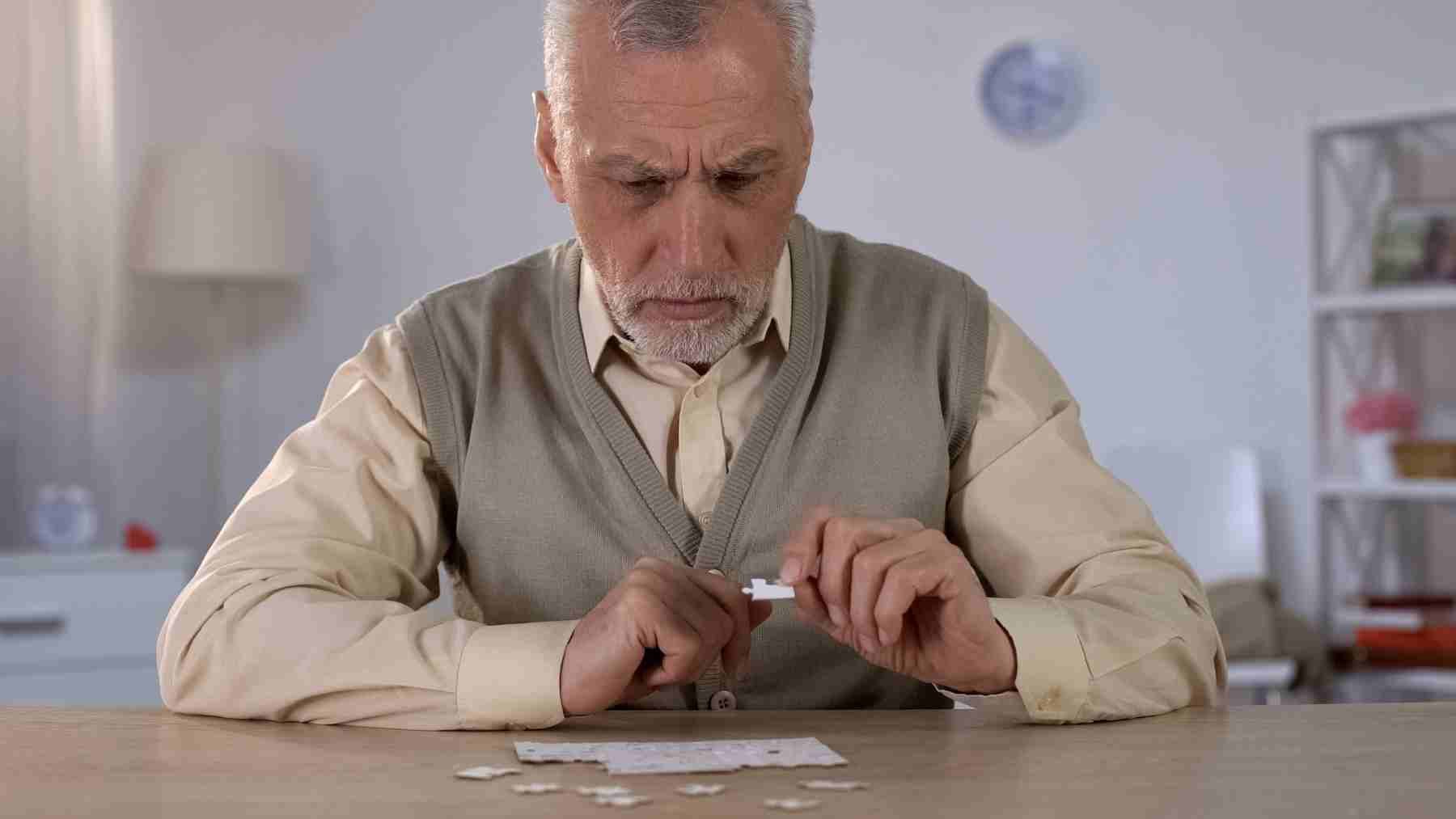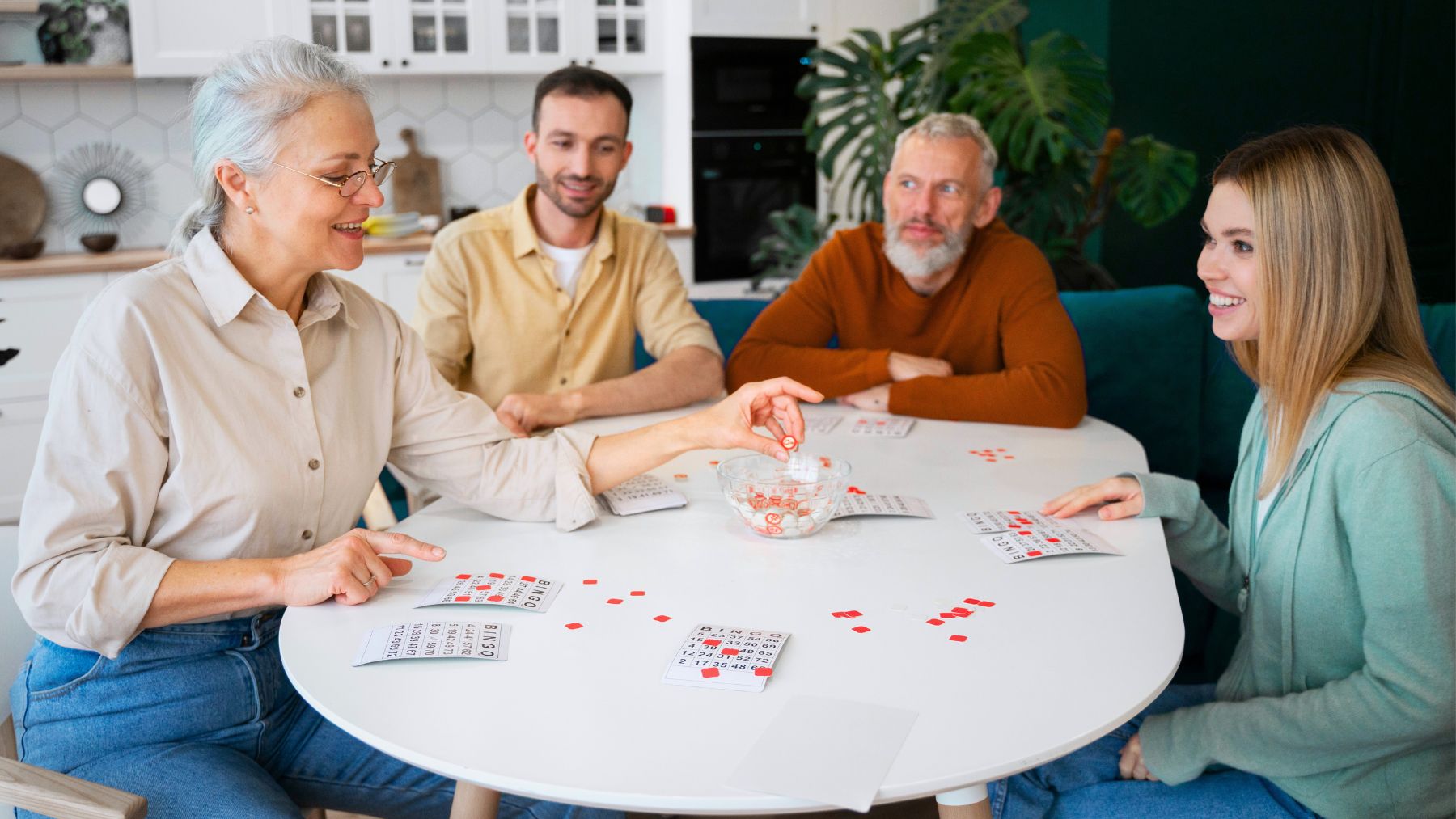
If you’re tired of crosswords or jigsaw puzzles, there is a potent alternative for retirees: Go. This board game, which originated in China more than 2,500 years ago, challenges the brain in ways that conventional word puzzles cannot. Its unique focus on strategic thinking, pattern recognition, and spatial reasoning makes it exceptionally effective for supporting cognitive well-being and neurological health in older adults.
In the following sections, we explore the reasons why Go excels in enhancing mental agility, detail its playing methods, and examine its distinct benefits for seniors. We’ll also provide other engaging activities—including traditional puzzles, card games, and strategic board games—that deliver comparable cognitive rewards and stimulate mental exercise.
Go: a simple game with powerful brain benefits for retirees
The game of Go is conducted on a grid that accommodates black and white stones, with the primary objective of controlling territory by encircling the opponent’s pieces. Although the rules are straightforward—players take turns placing stones to secure space and obstruct their adversary—the strategic depth is profound.
In contrast to chess, which often emphasizes memorization, Go cultivates adaptability, intricate spatial reasoning, and long-term planning. Its dynamic gameplay is reminiscent of other classic strategy games such as shogi and xiangqi, yet its focus on fluid patterns sets it apart.
For seniors, Go presents a range of distinct cognitive benefits. It sharpens working memory as players must continuously monitor multiple potential moves, as well as visual processing, a capacity that can diminish over time. Recent studies indicate that regular Go practice may help delay dementia symptoms by maintaining active neural connections and encouraging brain plasticity.
Besides, social interaction is an integral part of the Go experience. Numerous community centers and online platforms now provide beginner-friendly sessions, easing entry into the game and fostering a sense of camaraderie among players.
More games for seniors that keep the mind sharp
If Go doesn’t appeal to you, there are other games capable of delivering similar mental workouts. Classic board games, logic puzzles, and various cognitive training exercises each offer their unique blend of challenge and enjoyment.
- Mahjong: This traditional tile-based game enhances short-term memory and hones pattern recognition skills, while its social component offers additional emotional benefits.
- Bridge: This strategic card game requires logical thinking, teamwork, and rapid decision-making. Studies have connected regular bridge play with improved memory retention and sharper cognitive function in older adults.
- Sudoku: Although this solitary number puzzle lacks a social component, it significantly sharpens logical reasoning and enhances concentration. Players with vision challenges might consider larger-print editions to fully reap its mental exercise benefits.
- Chess: Similar to Go in its strategic foundations, it’s generally more structured and requires more study. Research indicates that engaging in regular chess matches can bolster planning skills and may contribute to delaying the onset of cognitive decline.
Although Go provides a good balance of strategy and adaptability, what’s important is to establish a routine of brain exercise that encompasses a range of engaging activities. Experiment with different games, and persist with those that resonate with your interests and yield the most gratifying mental rewards.