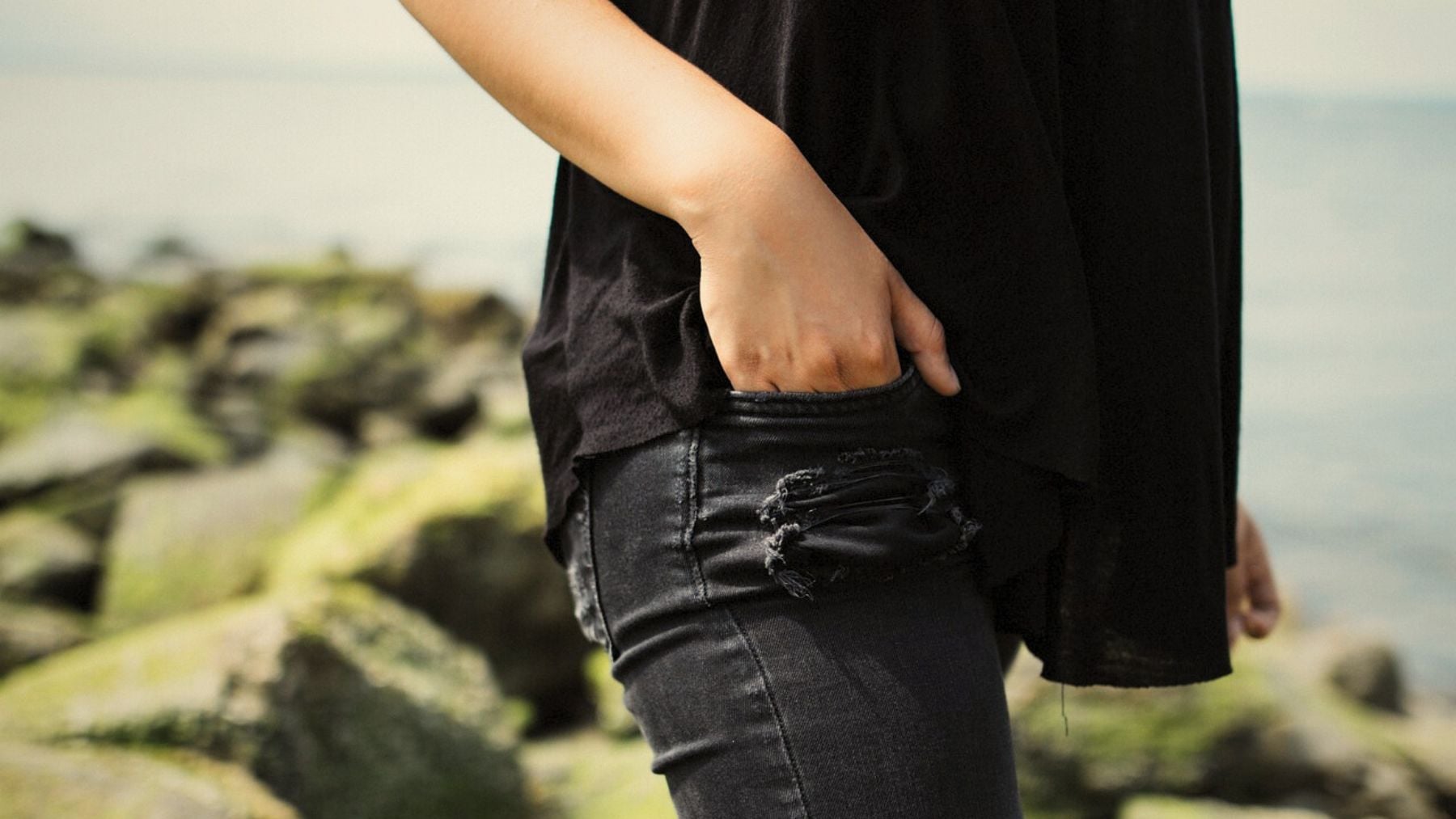
Walking with hands in pockets can sometimes mean more than just a casual stance. While it might seem like an insignificant gesture, body language experts see it as a window into a person’s mental and emotional state. The way we position our hands while walking often reflects our internal feelings, whether we’re aware of it or not.
This simple gesture can convey various emotions and attitudes, from confidence to discomfort. To understand its true meaning, we need to examine the psychological factors behind it and how context shapes our interpretation of this common habit.
Body language: possible meanings of walking with your hands in your pockets
One of the most common reasons people walk with their hands in their pockets is to seek comfort. This gesture can be self-soothing, especially in socially uncomfortable situations. When someone feels anxious or insecure, hiding their hands can create a sense of safety—like retreating to a protective space. Psychologically, it signals an attempt to reduce tension and calm oneself.
In some situations, it can also communicate disinterest or disengagement. This closed-off posture may suggest a desire to avoid interaction. For example, a person walking through a crowded area with hands in pockets might be signaling, “I’m not open to engaging right now”. This subtle cue helps maintain personal boundaries in social settings.
But not all hands-in-pocket gestures reflect insecurity. Some people use this gesture to project confidence, especially when combined with other body language signals like an upright posture and steady eye contact. Walking with one hand in a pocket while leaving the other free conveys partial engagement. It’s a balance between openness and control, often used by leaders to assert authority while maintaining a relaxed demeanor.
The gesture is also a staple of the “cool” persona. In such cases, it’s about projecting an air of nonchalance. It suggests a detachment from the surroundings, mixing confidence with a touch of indifference. This could explain why it’s popular in casual settings, especially among people who want to appear composed and self-assured.
Walking variations and their meanings
The specific way someone places their hands in their pockets can say different things. For instance:
- Thumbs out, fingers in: This shows dominance and confidence. It’s often seen in men trying to display authority or attract attention.
- Both hands fully hidden: This leans more toward defensiveness and withdrawal, signaling discomfort or insecurity.
- Walking with relaxed shoulders and slow pace: Indicates comfort and enjoyment of the moment.
- Fast walking with hands in pockets: Suggests unease and a subconscious desire to escape the current environment.
Walking with hands in pockets is a subtle yet revealing body language cue that offers insights into a person’s mindset. Whether it’s an attempt to self-soothe, disengage, or project confidence, understanding the nuances of this gesture can help us better interpret social interactions. By paying attention to the context and accompanying gestures, we can decode the message behind this seemingly simple behavior in each situation.