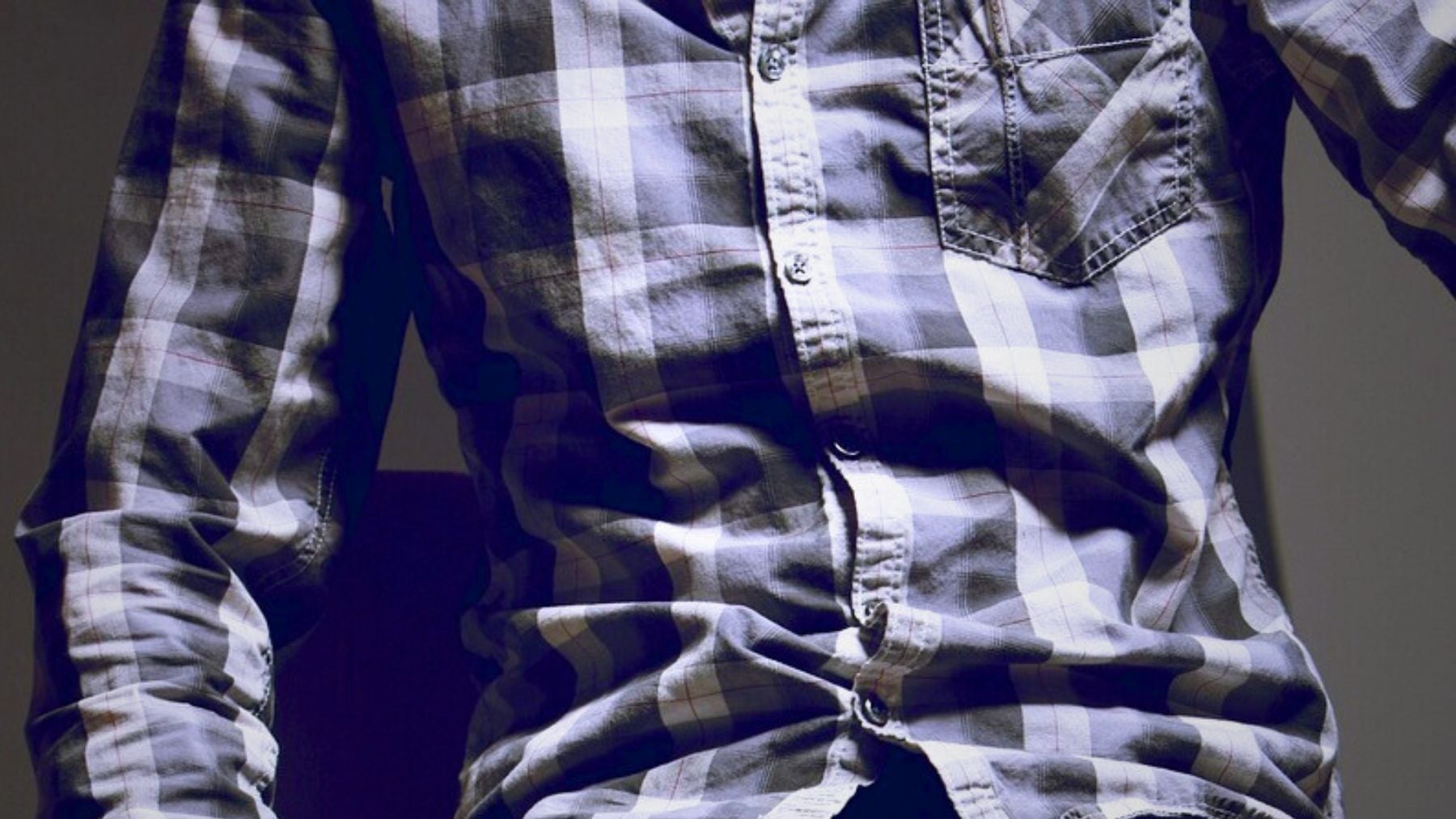
When it comes to wardrobe choices, checkered shirts hold a unique spot in men’s fashion. From casual gatherings to semi-formal settings, they manage to balance versatility and personality effortlessly. But what does it mean when checkered shirts dominate your closet? Consistently wearing this pattern may reveal surprising insights about your personality, values, and how others perceive you.
Patterns in clothing are more than just aesthetic choices. They can act as non-verbal statements about who we are. Checkered shirts, with their geometric designs and classic appeal, subtly reflect the wearer’s mindset and approach to life. Let’s dive into the psychology behind always choosing checks.
What does wearing a checkered shirt say about you?
If you always go for checkered shirts, you likely embody a mix of creativity, reliability, and down-to-earth charm. The repeating symmetry of the pattern conveys a sense of structure and organization, which may mirror your approach to daily life. At the same time, checks—whether in gingham, plaid, or tartan styles—have a warm, approachable vibe, suggesting that you value authenticity and meaningful connections with others.
Wearing checkered shirts may also hint at a balance between individuality and tradition. While the pattern has a classic and timeless appeal, the variations in color, size, and style allow for self-expression. This blend of familiarity and uniqueness often reflects someone who is grounded yet confident in showcasing their personality.
Psychologists also suggest that individuals who favor checkered patterns may thrive in collaborative settings. The design’s harmonious repetition could symbolize an appreciation for teamwork, cooperation, and finding common ground. You likely seek to bridge gaps between people and create a sense of unity.
The effect a checkered shirt has on others
Your love for checkered shirts doesn’t just say something about you, it also influences how others perceive and respond to you. These patterns are widely associated with approachability and warmth, which means people might feel comfortable and at ease around you. Whether it’s a first impression or a long-term relationship, wearing checks can foster a sense of trust and familiarity.
The boldness of larger checks, such as plaid or tartan, often signals to others that you’re not afraid to stand out, but you do so in a way that’s relatable and genuine. On the other hand, smaller checks, like gingham, lean more toward subtlety and charm, presenting you as friendly, detail-oriented, and agreeable.
Checkered shirts also carry a sense of reliability in professional and social settings. People may see you as someone they can count on, whether it’s for advice or collaboration. This positive perception can lead to stronger relationships and more opportunities personally and professionally.
Wearing a checkered shirt is a statement about who you are and how you want to engage with the world. It reflects a personality that’s creative, grounded, and approachable. For those around you, it sends signals of trustworthiness, warmth, and authenticity. So, remember that when you put on your favorite checkered shirt, it’s not just about looking good, it’s about expressing your unique personality.