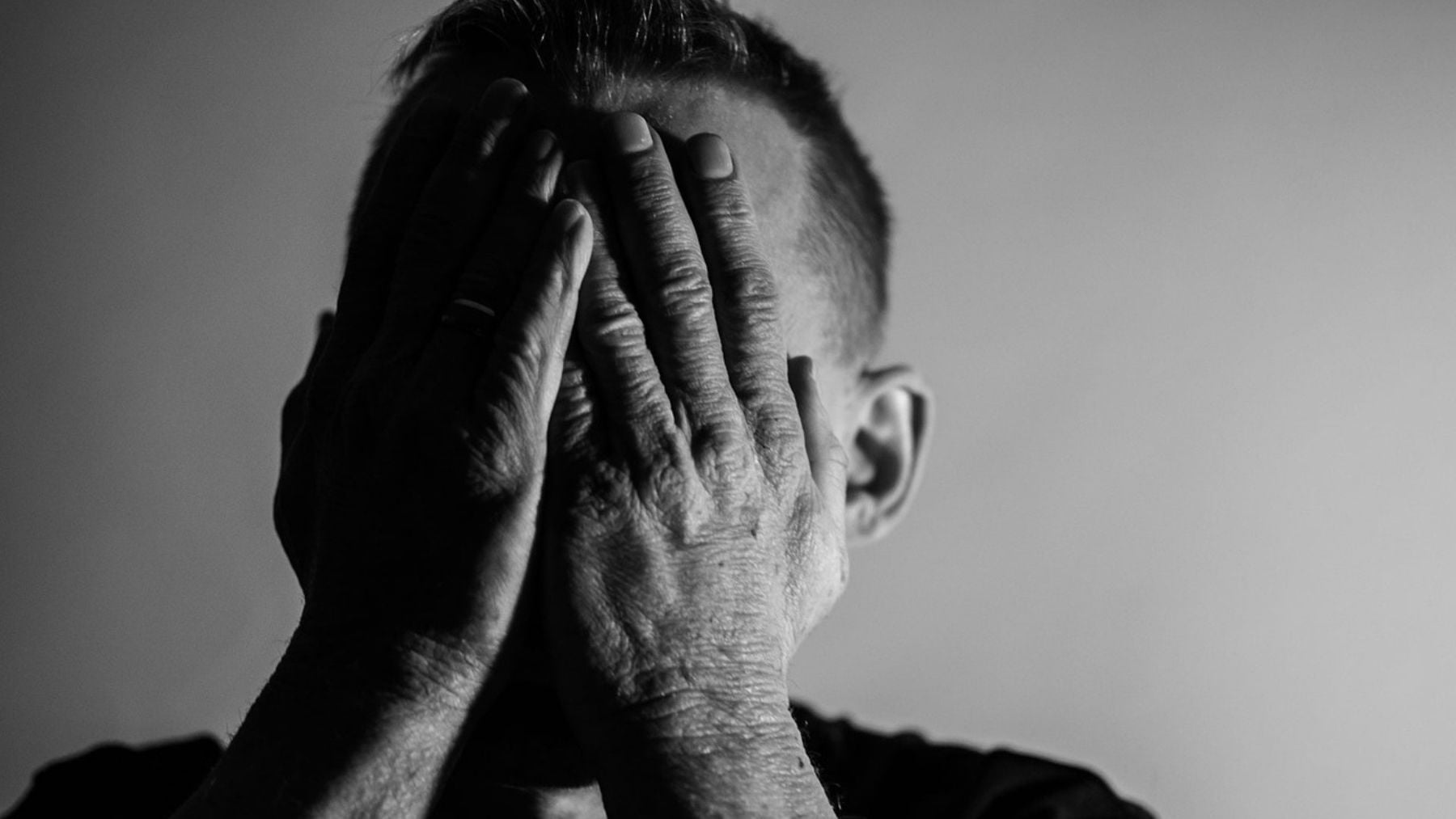
Millions of Americans struggle with mental disorders every day and it’s very likely you know someone with one of the three most frequent conditions: anxiety, depression, and post-traumatic stress disorder. Here we’ll cover the common symptoms, characteristics, and treatments of each of them. Let’s get started.
1. Anxiety disorders
Anxiety is a disorder that affects around 40 million adults in the U.S. and around 7% of children. It consists of feelings of extreme worry and fear, and it can describe more specific conditions like panic disorder, social anxiety, and different phobias.
Other symptoms include restlessness, fatigue, tense muscles, agitation, difficulty concentrating or sleeping, and feeling weak and tired. This disorder is highly treatable through therapy or medication and it requires a professional diagnosis. Unfortunately, only 37% of people who suffer from anxiety receive treatment for it.
2. Major depressive disorder
Usually misunderstood as feeling down for a couple of days, depression is a condition that around 8% of Americans suffer every year. Although it can be expressed in short episodes, it usually spans longer periods of sustained sadness, fatigue, and lack of interest or pleasure. It can also produce changes in weight and eating or sleeping patterns, feelings of worthlessness or hopelessness, and even thoughts of death and suicide.
For most people, depression can be a recurring event and it tends to affect more women than men, as well as teenagers and young adults. After the diagnosis, it can be treated through therapy, medication, or both. For both the patient and their family and friends, it is essential to understand that depression requires time and proper support, as it is a condition and not just a feeling.
3. Post-Traumatic Stress Disorder (PTSD)
PTSD is a disorder that develops after being exposed to a traumatic event and around 15 million adults in the U.S. suffer from it each year. It is one of the most common disorders in the military and for those who have experienced violence, accidents, or other significant trauma. Symptoms include flashbacks, severe anxiety, and nightmares and they can take weeks, months, or even years to manifest.
Patients usually receive a diagnosis after experiencing the symptoms for a long period after the initial trauma. This disorder also affects women at a higher rate than men and, without treatment, it can negatively impact a person’s quality of life. Commonly, people with PTSD tend to avoid places or situations that remind them of the trauma. Effective treatments include therapy, medication, and support groups, and, with the right help, patients can regain control over their lives.
Pay attention to your mental health
As these conditions are recurrent among young people and adults nowadays, it is very likely you know someone who is experiencing one of these disorders or even recognize some of the symptoms in yourself. The good news is that these are highly treatable, and people can make significant progress with the right support and care. It’s crucial to be there for those struggling with these disorders and offer our understanding and compassion. Remember that you are not alone and that seeking professional help is a key step toward a healthier and happier life.