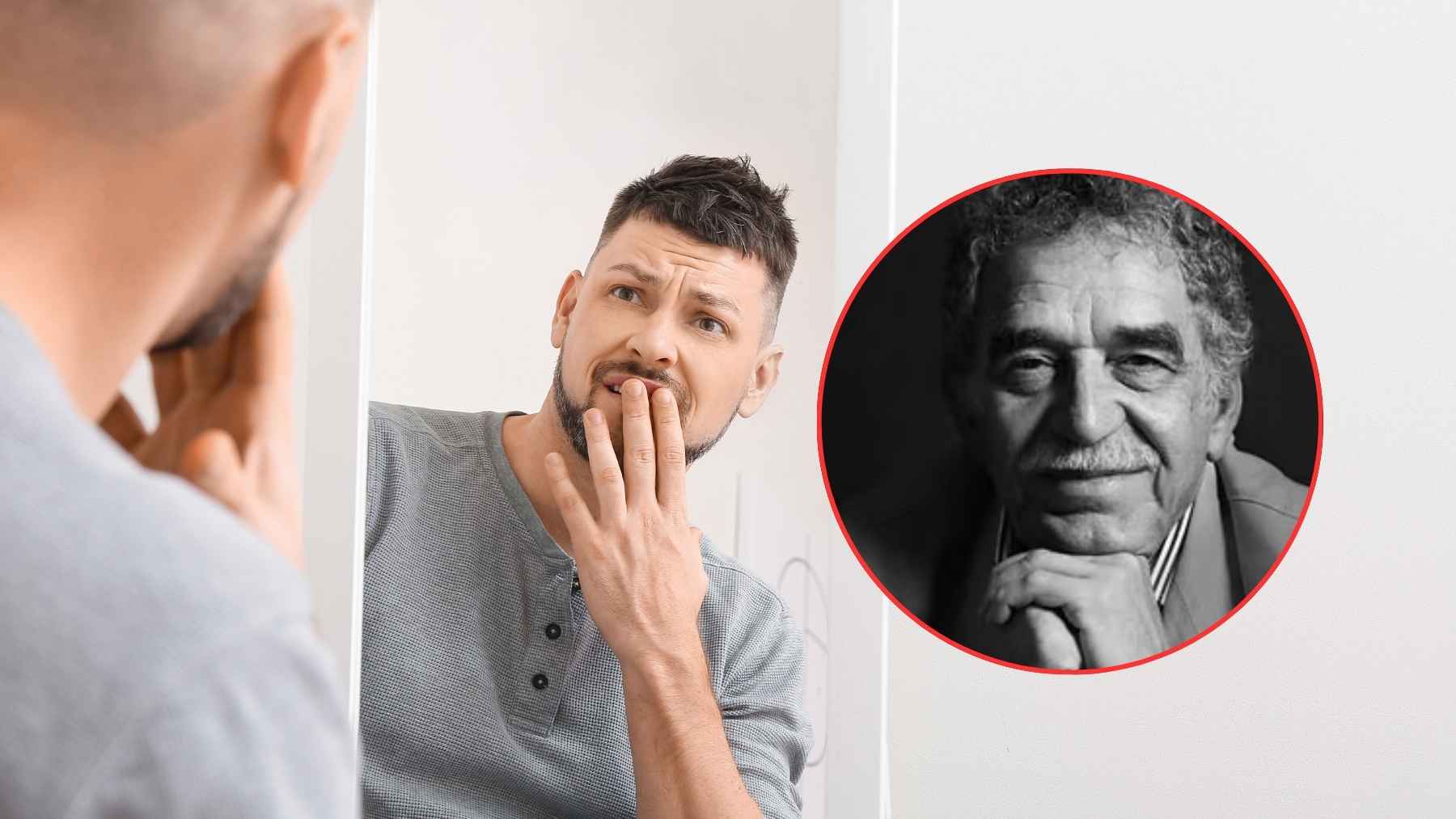
When you reach for your neck in a stressful moment, you’re not doing it by accident. This small gesture shows up in everyday situations, from heated conversations at work to uncomfortable family discussions. Many people in the US recognize it without thinking, but few understand what the move actually communicates.
Here, we’ll look at what this gesture means in psychology and why the body turns to it under pressure. We’ll also break down similar signals, including rubbing the forehead, touching the collarbone, or crossing the arms during stress. These cues help you read tension in others and understand your own reactions more clearly.
What does it mean to rub your neck during tense moments?
Rubbing the neck is a classic self-soothing action. Psychologists describe it as a calming gesture that shows up when the body senses discomfort, conflict, or a spike in anxiety. The skin along the neck is sensitive, and light pressure in that area helps settle the nervous system. People use this gesture without realizing it, especially during tough conversations, unexpected criticism, or moments that feel socially awkward.
The gesture also shows hesitation. Running a hand along the side or back of the neck often signals uncertainty or doubt, especially in situations where someone feels watched or judged. It’s common during job interviews, tense meetings, or personal arguments. The neck becomes a middle ground between staying open and shutting down.
It can also reflect a need to release built-up physical stress. Muscles tighten when you’re worried, and the simple act of touching or massaging the area works like a small reset. It’s a quick physical cue that you’re trying to regroup, think clearly, or hold back an emotional reaction. It doesn’t always mean fear or insecurity, but it often signals mental load and internal pressure.
What other similar gestures reveal
Neck rubbing is one of several subtle moves people use when they’re uncomfortable or trying to regulate their emotions. These related gestures show up in everyday interactions and help you get a better read on what’s happening beneath the surface.
- Touching the collarbone: Lightly brushing the collarbone or upper chest shows unease. It’s a protective gesture that brings comfort during nervous moments, especially when someone feels exposed or vulnerable.
- Rubbing the forehead: Sliding a hand across the forehead signals mental overload. It’s common when you’re processing information, trying to remember something, or feeling weighed down by a problem.
- Scratching the head or hairline: This move often shows confusion or uncertainty. It appears when someone is unsure what to say next or needs a moment to think.
- Crossing the arms: Arms folded across the chest create a boundary. It’s a sign of defensiveness or emotional distance, often showing up in tense discussions or situations where someone feels evaluated.
These gestures work like a quiet language. Each one gives you insight into stress, hesitation, or emotional strain. While no single action tells the whole story, recognizing these patterns helps you understand tension in yourself and others. They offer a clearer picture of what someone might be feeling, even when their words stay controlled.