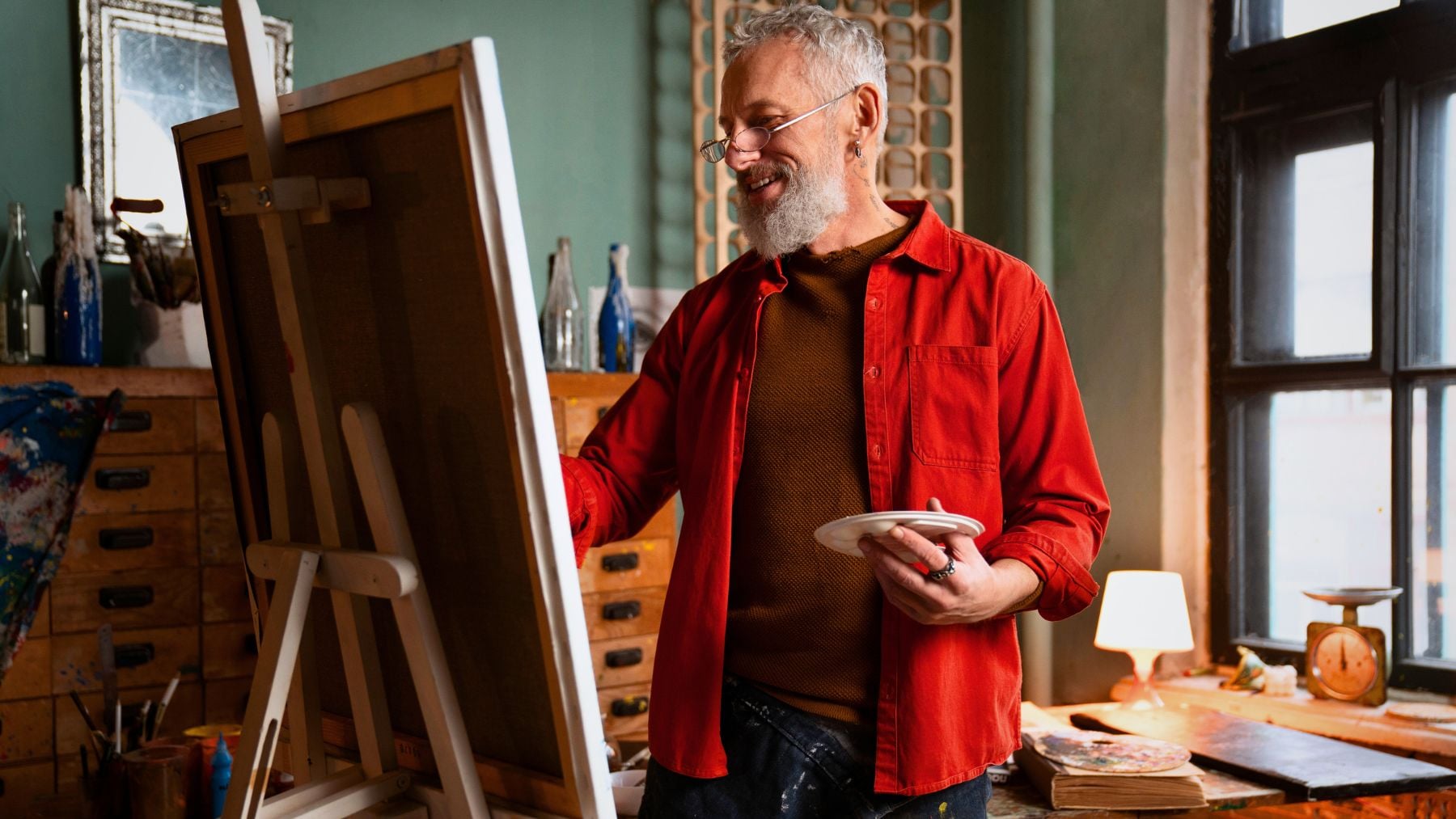
Painting mandalas uniquely blends creativity with structure, engaging both the analytical and creative aspects of the brain. This promotes a balanced state of mind and enhances cognitive agility, emotional regulation, and sensory integration. That’s why they can be great dynamic tools for cognitive stimulation and emotional expression for seniors over 60.
In the sections that follow, we’ll explore how mandala coloring sharpens mental skills, alleviates stress, and improves physical dexterity, while offering practical tips to help you begin this therapeutic hobby today.
Why mandalas work wonders for seniors
Let’s review why you should consider incorporating this creative hobby into your routine.
They stimulate your brain
Coloring mandalas demands precision to follow intricate patterns while inviting imaginative choices in color selection. Studies in cognitive science suggest that this combination of focused attention and creativity can improve executive functioning, including attention span, working memory, and problem-solving skills.
They help quiet stress
The rhythmic process of filling in detailed shapes with color creates a flow state akin to mindfulness and meditation. As you concentrate on the meditative motion, it’s plausible that your brain releases mood-enhancing neurotransmitters such as dopamine and serotonin while reducing cortisol levels associated with stress.
They protect motor skills
The simple, deliberate actions involved in holding a pencil, staying within defined lines, and blending colors require fine motor control and hand-eye coordination. For seniors, particularly those managing arthritis or mild mobility challenges, these precise movements serve as a gentle workout that helps maintain joint flexibility and dexterity
They build social bonds
Mandalas can also transform into a shared experience that nurtures connection. Organized group sessions at community centers or care facilities create an atmosphere where creative ideas flow and social interaction thrives. When seniors come together to share their artistic insights and celebrate each other’s work, they combat loneliness and build supportive networks.
Getting started with mandalas, a new hobby after 60
Before you begin, consider these practical tips to help you integrate mandala coloring into your routine.
- Pick your tools: Choose a coloring book designed especially for seniors that features large-print mandala designs to reduce eye strain. Complement your book with ergonomic art supplies such as thick pencils, gel pens, or crayons that offer a comfortable grip and ease of use.
- Set the mood: Create an environment that fosters focus and relaxation. Find a quiet spot where distractions are minimal, and consider playing soft music or nature sounds in the background.
- Experiment with techniques: Rather than sticking to a single method, explore different coloring techniques to find what best suits your mood and objectives. You might start at the center of the mandala and work outward or color from the outer edges inward.
- Embrace social opportunities: Transform your solo hobby into a social event by hosting a “mandala hour” with friends or joining a virtual group. Sharing your progress, discussing color choices, and collaborating on projects can deepen interpersonal connections and make the hobby even more enjoyable.
- Maintain simplicity: When you’re just starting out, keep your sessions brief; 10 minutes of focused coloring that can gradually increase as you become more comfortable with the process. Establish a routine and build your creative skills and cognitive resilience over time.
The goal isn’t to finish a masterpiece but to enjoy the process of creating and engaging your mind. Over time, you’ll likely notice better concentration, mood regulation, and motor skills.