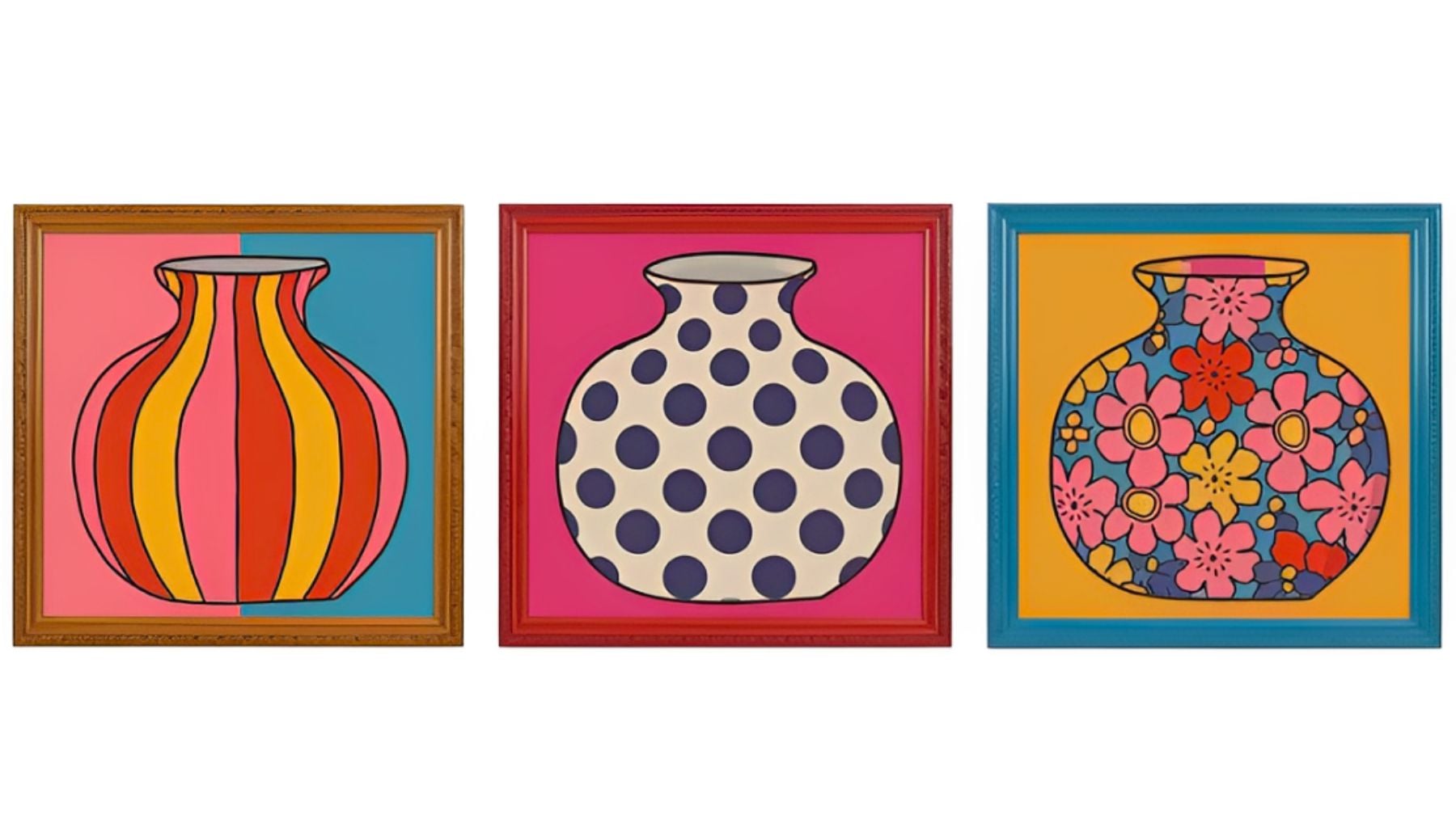
This engaging personality test harnesses the symbolic power of three decorative vases to expose key traits that shape how others perceive you and uncover what makes you special. Although it’s for fun and not a scientific assessment, selecting the vase that naturally appeals to you offers a snapshot of the qualities that could mold your relationships, professional interactions, and decision-making processes.
Below, we explore the meaning behind picking each vase, examine why your choice is significant, and connect these insights to everyday behavioral patterns and social dynamics. Are you ready? Let’s begin.
What your vase choice reveals about you
Take a quick look at the three vases displayed above. Which one captures your attention first? Avoid overanalyzing your selection and trust your instincts. Here is what each option suggests:
Vase 1
If you identified with vase 1, your core traits revolve around honesty and transparency. You embrace truth even when it challenges you, earning trust through a perfect alignment of your words and actions. You dismiss hidden motives and consciously nurture environments where authenticity thrives and open communication is celebrated.
Guided by unwavering integrity, you stand firmly by your principles regardless of external pressures. Friends, family, and colleagues appreciate your reliable problem-solving skills and the fairness you uphold over superficial sentimentality, qualities that are essential in fostering ethical leadership, personal growth, and genuine connections.
Vase 2
If you selected vase 2, you embody consistency and heartfelt commitment. Friends, family, and colleagues know they can always count on you because you honor your promises and ensure every task reaches a successful conclusion. Even if you express your emotions in a subtle way, your calm and persistent presence communicates far more effectively than words.
People trust you for your predictable and reassuring nature, recognizing you as a stabilizing influence during life’s most turbulent moments. By embracing a “show, don’t tell” philosophy, you become an indispensable pillar within your social circle, quietly embodying accountability, resilience, and dependable leadership.
Vase 3
If you opted for vase 3, your greatest strength is your empathy and compassion. You are an attentive listener who consistently offers thoughtful guidance, and you prioritize the emotional well-being of those around you. People feel secure confiding in you because they recognize your sincere care, nonjudgmental attitude, and willingness to help, even when it requires personal sacrifice.
Your loyalty is unwavering, often driving you to put the needs of your loved ones before your own. This heightened emotional attunement fosters profound, lasting connections. Moreover, your ability to grasp unspoken feelings and moments of vulnerability not only deepens trust but also forms the cornerstone of genuine, mutually supportive relationships.
About this personality test
This test shows how your spontaneous choices mirror broader patterns in your interactions and personality. Whether you gravitate toward honesty, dependability, or empathy, these qualities shape how others perceive and relate to you.
Compare your result with friends, and remember that while this exercise provides engaging and accessible insights, it represents just one perspective on the intricate dynamics of human relationships. If you want to keep learning about yourself, explore our other captivating personality tests.