Where you instinctively choose to sit on a plane might reveal deeper insights into your temperament than you might expect. This brief visual assessment, similar to this personality test, offers a glimpse into your innate stress thresholds, need for control, and aspects of your coping style.
Let’s explore what your preferred airplane seat may suggest about your calmness. We’ll break down the common choices —back, middle, wing area, or front— and analyze what each option might indicate about your risk tolerance, observational habits, and response to unpredictability. Remember, this exercise is intended as a fun prompt for self-reflection and is not a rigorous, scientific assessment.
What your airplane seat choice says about you
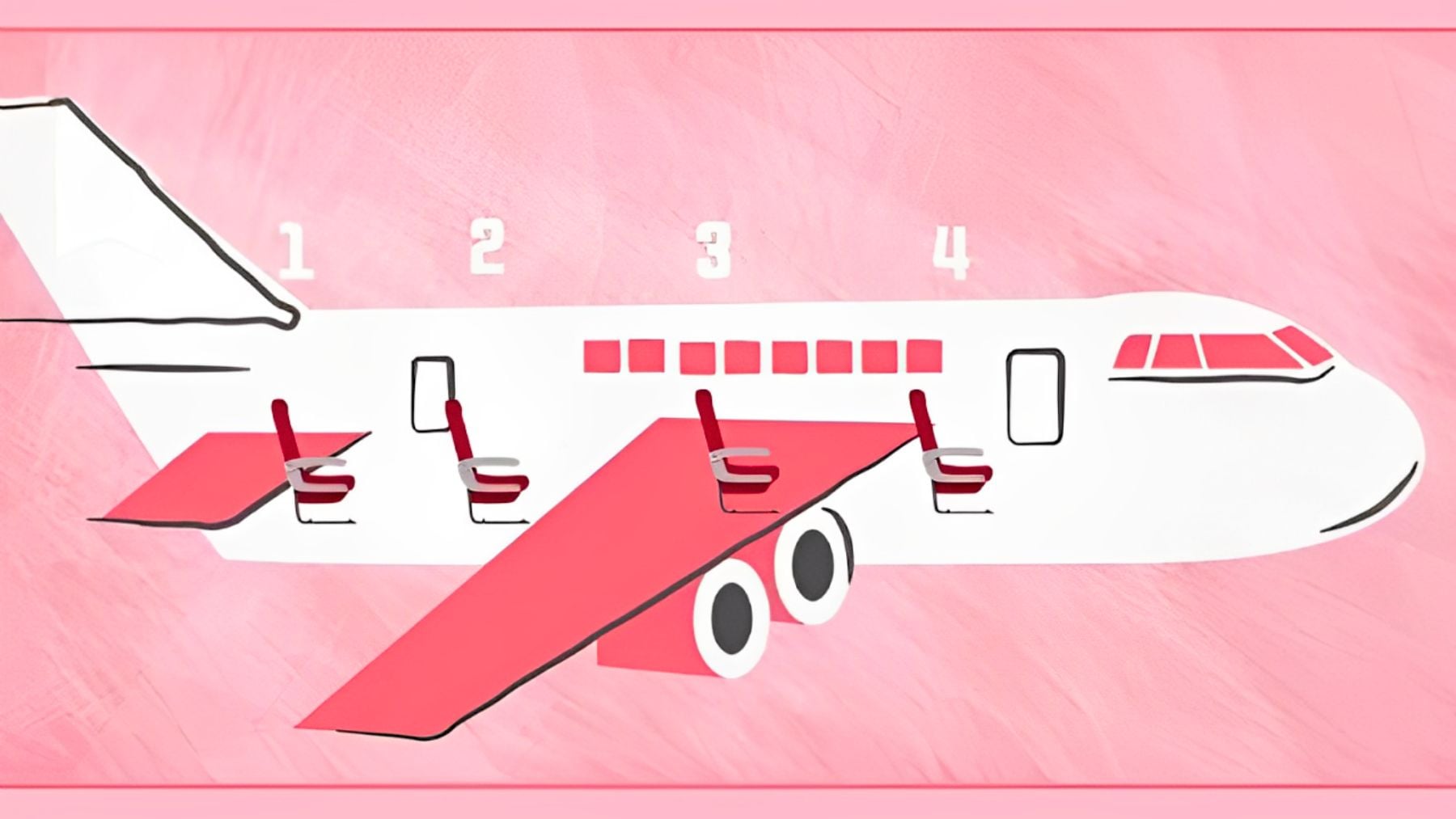
Take a look at the image above. Where would you instinctively select your seat? Choose the spot that intuitively feels right based on comfort, visual appeal, and your typical travel habits. Now, read the matching description below.
1. If you chose the back rows
Choosing a seat at the very rear may indicate a lower tolerance for unpredictability and a heightened desire for awareness. People who favor these seats act as vigilant observers and derive comfort from a complete, real-time overview of their surroundings rather than depending on instinct. They actively scan their environment to gather comprehensive context, enabling them to anticipate changes and respond to unexpected events.
2. If you chose the middle section
Selecting a seat in the center of the cabin frequently signifies a balanced, even-tempered nature and an adaptable approach. You appear comfortable with uncertainty and value both structure and spontaneity. This choice suggests that you generally relax without the urge to oversee every detail, allowing life’s minor turbulence to pass by without significantly disrupting your equilibrium.
3. If you chose the wing area
Opting for a seat near the wings typically indicates a calm and confident disposition, one that trusts structured systems without requiring constant reassurance. Those who select this area are often at ease with not witnessing every detail up front and instead, embrace the ride with steady acceptance. You take life as it comes, finding comfort in the journey itself rather than in exerting control over every facet.
4. If you chose the front near the crew
Going for a seat toward the front, near the flight attendants, frequently reflects a strong preference for immediate access to guidance and support. This choice suggests that knowing help is within reach significantly bolsters your sense of security during moments of uncertainty. It may also indicate that while you handle stress actively, you lean on external reassurance to complement your inner calm.
More details on this test
In this test, your chosen seat provides a brief yet insightful snapshot of your instinctive approach to uncertainty, control, and stress management. The next time you encounter a challenging situation, reflect on whether these patterns resonate with your personal experience.
Keep in mind that this exercise is merely an invitation to explore your natural tendencies and behavioral inclinations, but it’s not by any means a definitive personality diagnosis or a substitute for professional psychological assessment. Rather, it’s intended as a fun, lighthearted tool to spark self-reflection.