In the world of men’s shoes psychology, dress shoes play a bigger role than most people realize. They don’t just finish an outfit—they quietly shape how others see you and how confidently you move through your day, influencing both perception and confidence itself. The style you choose can signal discipline, creativity, boldness, or ease, making footwear a subtle reflection of your personality and mindset.
Because shoes influence both perception and self-perception, understanding what each style communicates can help you choose pairs that match the impression you want to make. Whether your preference leans minimalist, classic, or expressive, the way you step into a room often starts with your footwear. And when it comes to self-confidence, one option stands out more than the rest.
Which men’s dress shoe signals the most confidence?
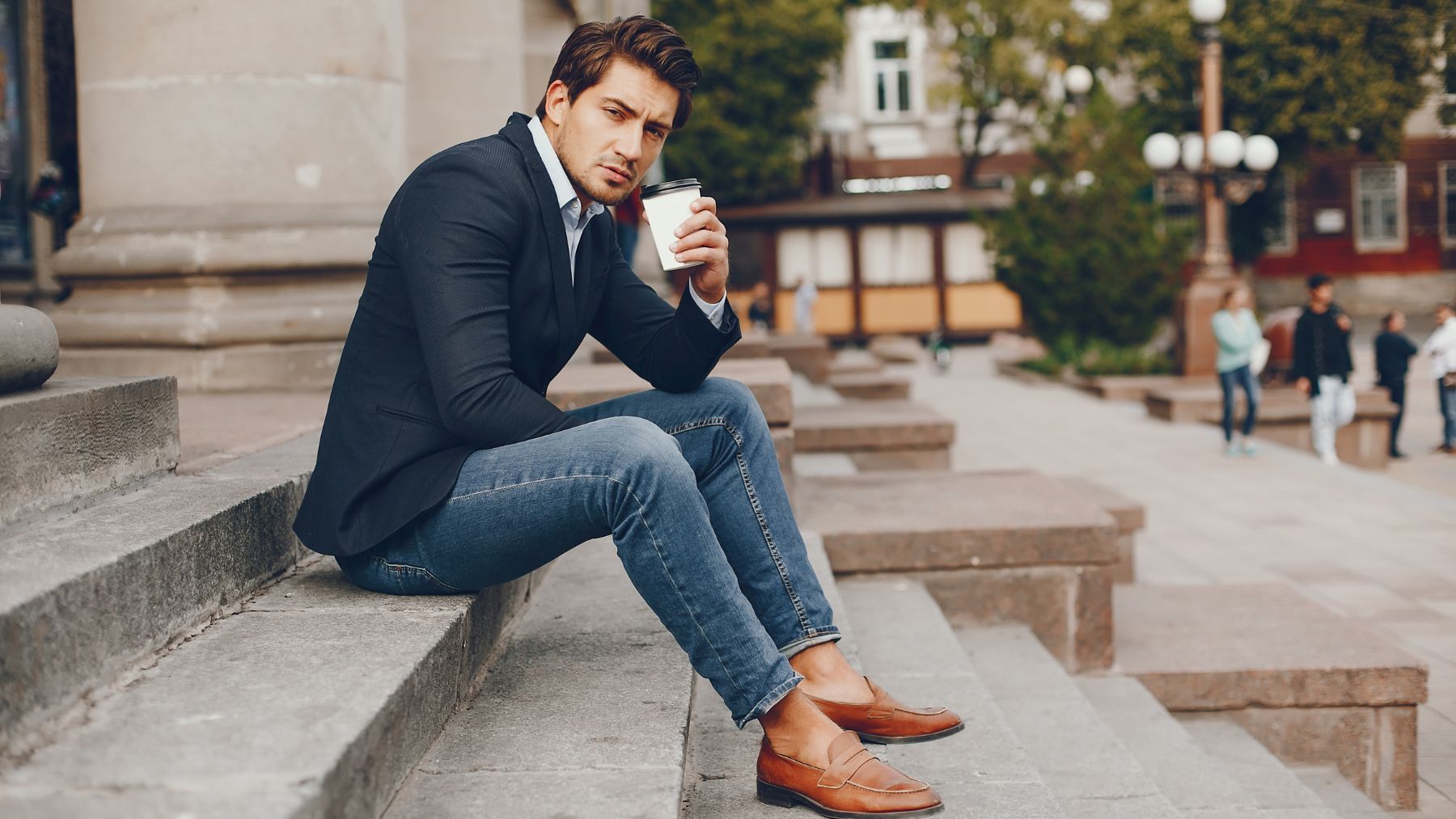
Among all men’s dress shoes, loafers deliver the clearest message of self-confidence. Their slip-on design and clean, unfussy silhouette project ease, comfort, and a calm sense of assurance. Men who gravitate toward loafers often show confidence without needing structured details or traditional lacing to reinforce it. The style communicates someone who trusts his own presence, values sophistication without stiffness, and doesn’t rely on formality to feel in control.
Loafers also shift how you feel internally. Their simplicity allows you to focus on bigger things rather than the small rituals associated with more structured shoes. That streamlined experience can subtly boost self-assurance, helping you move through formal or casual settings with the same relaxed confidence. Wearing loafers suggests comfort in your own skin—an attitude others quickly pick up on.
What other dress shoe styles say about personality and presence
While loafers stand out as the most confidence-forward choice, the rest of the dress shoe spectrum also reveals meaningful psychological cues.
- Oxfords are the classic sign of tradition and discipline. Their closed-lacing system and sleek construction convey seriousness, structure, and respect for formality. Wearing them can enhance your sense of authority and control, especially in professional settings where precision matters.
- Derby shoes, with their open lacing, signal adaptability. Slightly more relaxed than Oxfords, they communicate someone who balances professionalism with flexibility—someone who can shift between settings without losing a polished edge.
- Brogues mix tradition with a touch of creativity. Their decorative perforations suggest someone who values structure but also likes to add personality within established norms. They express individuality without stepping away from classic style.
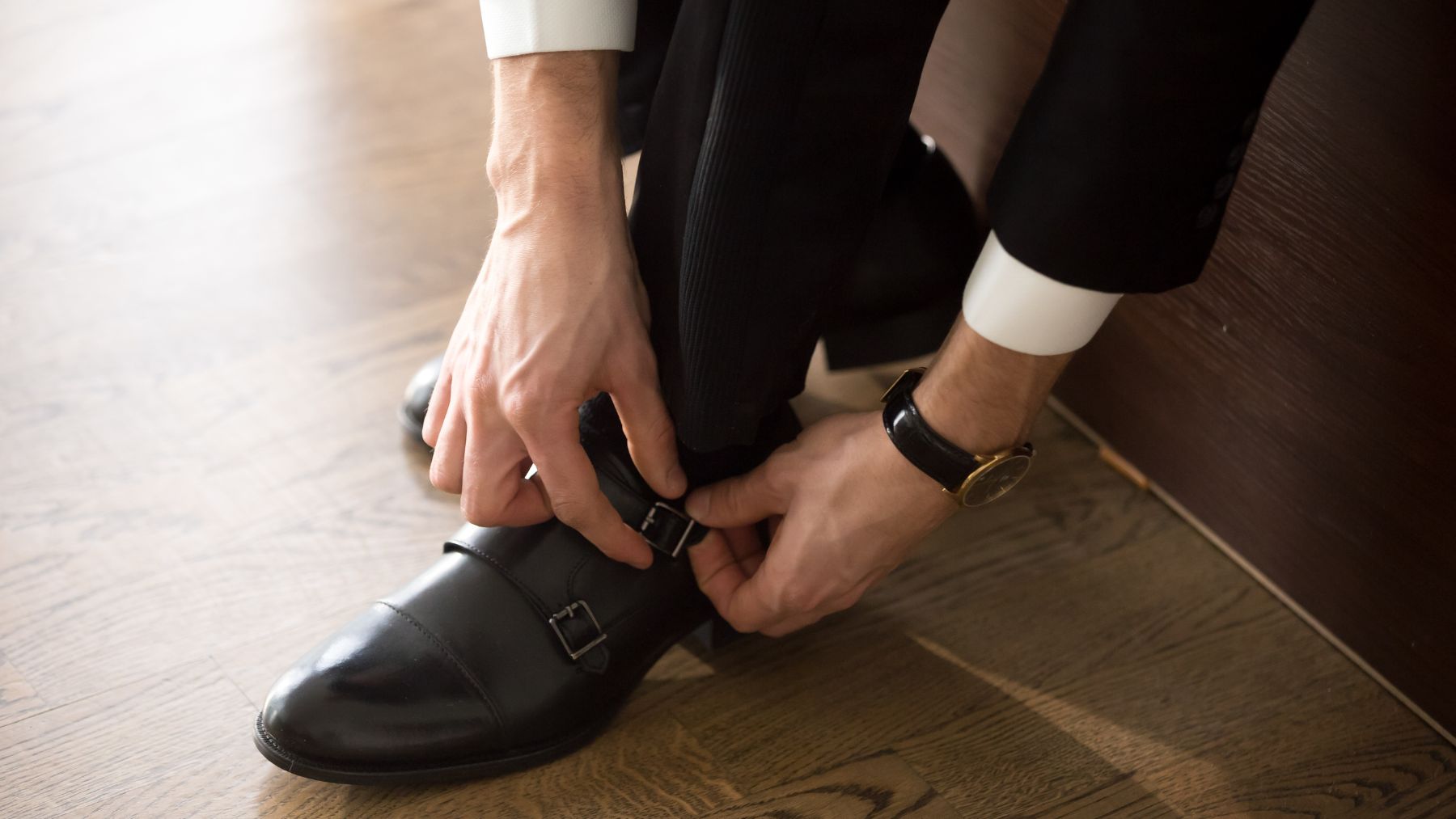
- Monk straps, defined by buckle closures instead of laces, project boldness. Choosing monk straps indicates a willingness to stand out and embrace a more expressive sense of style. They reflect decisiveness and a taste for risk within a refined framework.
- Chelsea boots bring a modern, streamlined attitude. Their elastic panels and minimalist shape hint at forward-thinking confidence and openness to change. They appeal to someone who values versatility and contemporary expression.
- Wingtips, with their signature “W” design on the toe, highlight attention to detail and craftsmanship. They signal someone who appreciates refinement, invests in quality, and likes maintaining control through precision.
Across all styles, the psychology remains consistent: dress shoes influence not only how you’re perceived but how confidently you carry yourself. By choosing a pair that matches your personality—and maintaining it well—you reinforce both your image and your mindset each time you step out the door.