Choosing a WhatsApp profile photo might seem like a small decision, but new behavioral research suggests it can reveal surprising aspects of your personality. Whether it’s a selfie, a landscape, or a group shot, the image you choose may reflect how you see yourself—and how you want others to see you.
According to the study “The Relationship Between Problematic Internet Use, WhatsApp and Personality” by Bernal-Ruiz C. and Rosa-Alcázar A.I., people’s digital habits—including how they use WhatsApp—often align closely with personality traits such as impulsivity, emotional stability, and openness to experience. Researchers found that online self-presentation, even in small details like a profile photo, can reflect deeper psychological tendencies.
What your WhatsApp photo says about you
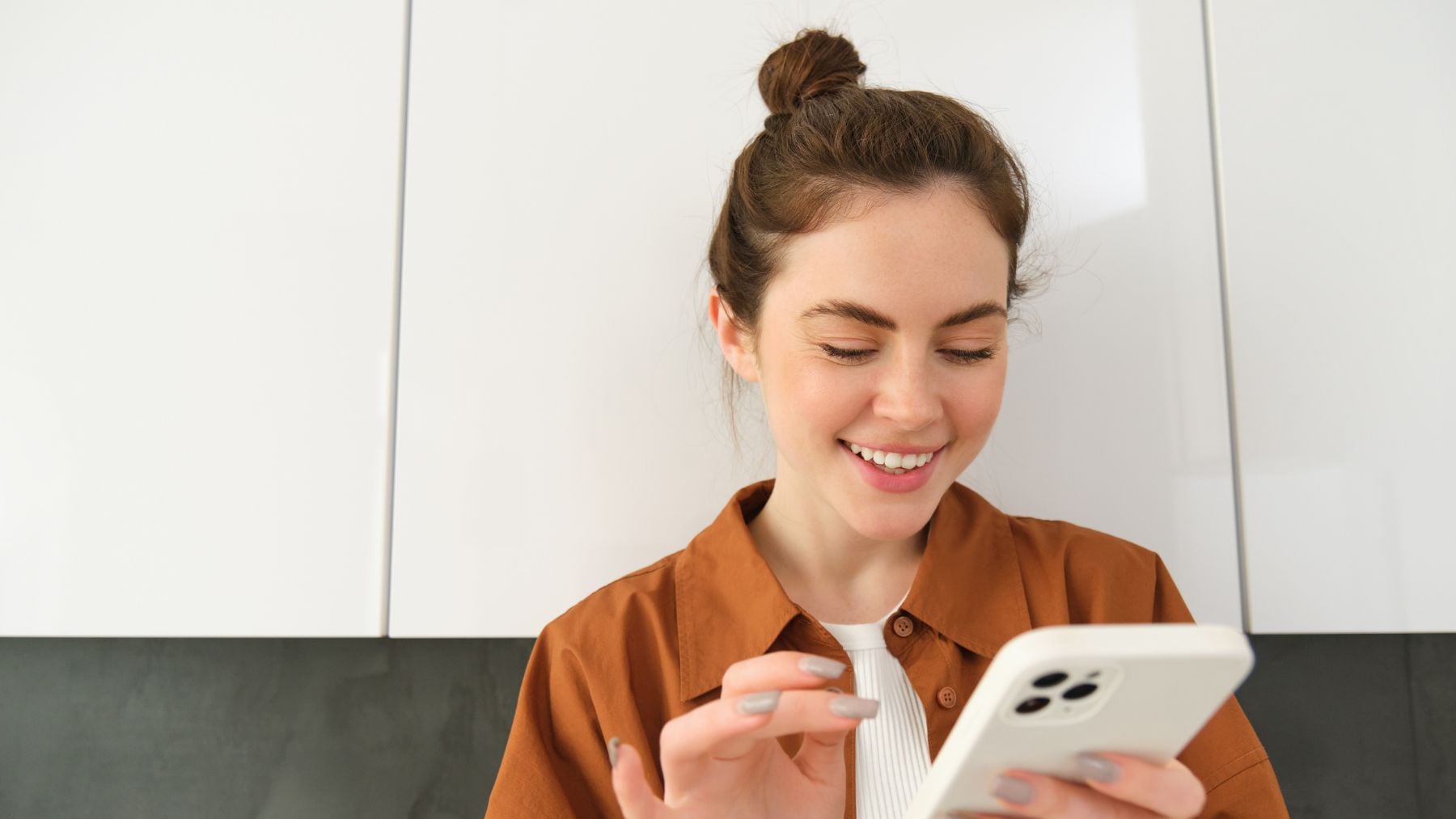
The study found clear patterns connecting personality traits with the type of photo people select. Users who displayed selfies tended to score higher on extroversion and confidence, often seeing their image as a form of self-expression and approachability. These users were more likely to change their photos frequently, signaling openness and adaptability.
By contrast, individuals who used landscapes, pets, or symbolic images—rather than their own faces—often scored higher in introversion and emotional stability. For them, avoiding personal photos may serve as a subtle form of privacy or a way to project calmness and balance.
Those who chose group photos commonly valued social connection and belonging. Their images reflected an emphasis on relationships, suggesting a warm and cooperative personality. However, researchers also noted that users who appeared in large group shots sometimes struggled to express individuality, blending into their social circles instead of standing out.
Interestingly, blank or abstract profile pictures were often linked to reserved or cautious personalities. Some participants explained they didn’t want to be judged by appearance, while others preferred to keep their online presence minimal and professional.
The psychology behind your digital self
According to the findings, a person’s WhatsApp profile photo acts as a form of digital self-presentation, similar to how body language or clothing choices communicate personality offline. Social media platforms like WhatsApp offer subtle yet powerful cues about how individuals want to be perceived.
Researchers also observed that people with higher levels of neuroticism—a trait associated with anxiety and sensitivity—tended to use photos edited with filters or effects, possibly as a way to control how they are viewed. On the other hand, those with openness to experience preferred creative, colorful, or travel-related images that conveyed curiosity and imagination.
While the study doesn’t claim to predict personality with absolute accuracy, it shows that our online habits are deeply intertwined with psychology. Choosing a profile photo is rarely random—it’s a small but meaningful reflection of identity, emotion, and personal values.
Why it matters
With over two billion users worldwide, WhatsApp is one of the most personal social platforms, often used for both intimate and professional communication. Because of this, the images we choose there may reveal more than we realize—not only to others, but to ourselves.
The research highlights that even in simple online choices, patterns of personality emerge. So next time you update your WhatsApp picture, it might be worth asking what your choice says about you—and whether it reflects who you truly are.