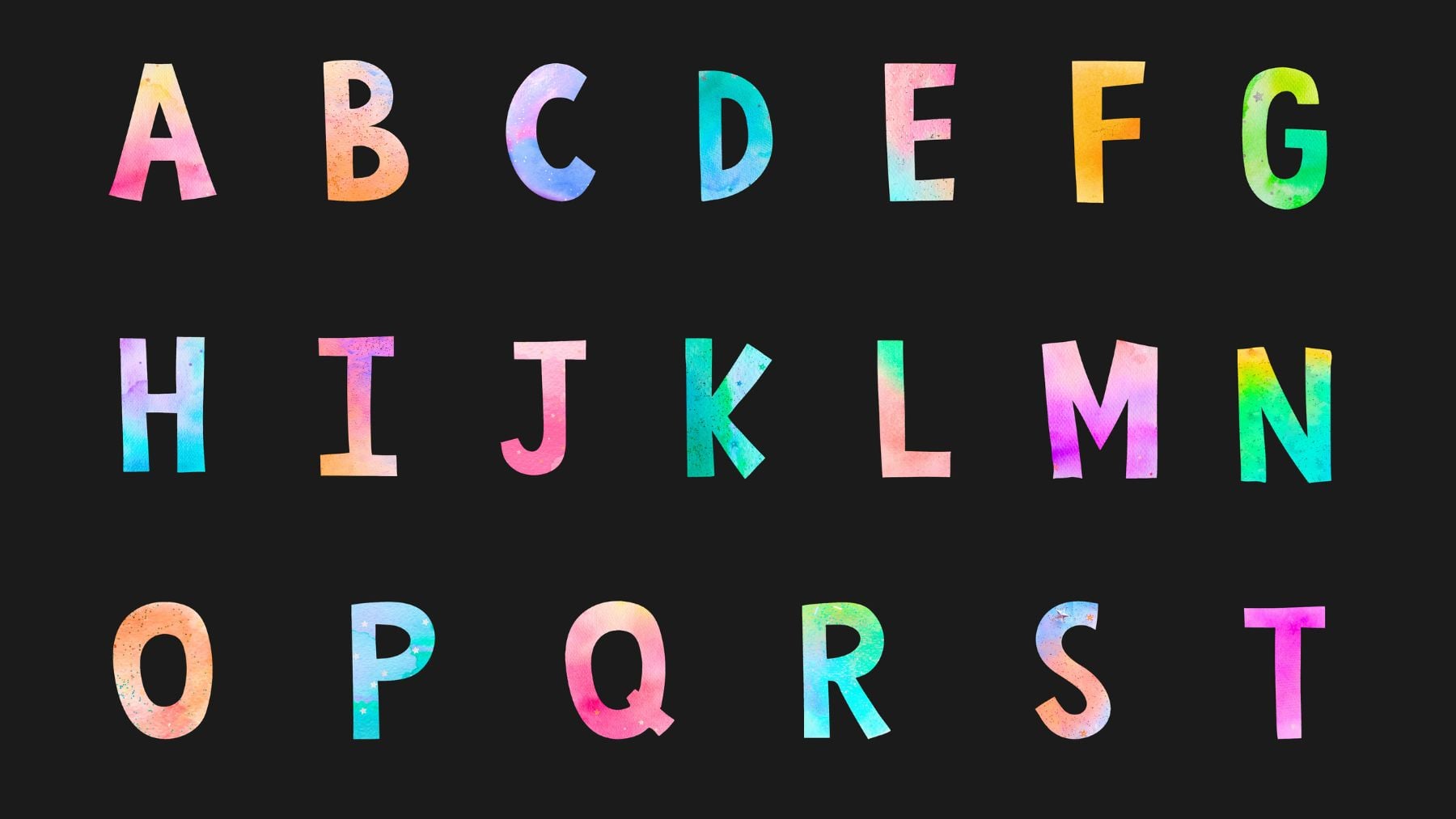
When a text is in ALL CAPS, it might seem like it’s screaming at you. The style might catch your eye, but it can also change the mood of the message completely. It’s not random; there’s a subtle message about the writer’s state of mind and the tone they want to set.
But there’s more going on than just loud text. Here, we’re digging into the psychology behind capital letters and what they might say about the writer. We’ll explore the hidden signals and the impact they can have on you, the reader.
What your capital letters say about you
Writing in capital letters is like putting on a megaphone in text form. It’s a way to grab attention, but it can also reveal a bit about the writer’s personality. Here’s what might be going on behind it:
- Strong emotions: It often means the writer wants to emphasize their feelings. It’s a way of saying: “I’m excited”, “I’m upset”, or even “I need you to listen”. It’s not just about yelling, it’s about making sure the message isn’t missed.
- Boosting self-image: Capital letters can also be a sign of ego. They give a message of self-importance or confidence. When every word is shouted, it might reflect an inner urge to be noticed or validated.
- A newbie’s signal: Back in the early days of the internet, this was a dead giveaway that someone was still learning the ropes. Even today, its use can suggest that the writer is less familiar with online etiquette, though that’s not always the case.
- Graphological clues: According to graphology—a study of handwriting that many experts now consider a pseudoscience—writers who favor capitals may share certain traits, such as being strong-willed, attention-seeking, and self-assured.
How all caps impacts your readers
Besides what it might say of you, using all caps also affects the people reading your message. Let’s break down some common reactions:
- It feels like yelling: The biggest impact is that it comes across as shouting. This can catch attention but might also put off readers who prefer a friendlier tone.
- Creates urgency or alarm: All caps can signal that something is urgent. While that works well for safety alerts, it might add unnecessary stress if used for everyday messages.
- Perceived as impolite: Many people see it as rude or aggressive. In texting or emails, it might feel like the writer is demanding attention rather than inviting a conversation.
- Reduces visual appeal: Our eyes are used to the flow of lowercase letters and sentence structure. A block of capital letters can look chaotic, making it less appealing.
- Affects accessibility: For users with visual impairments, all-caps text can be a challenge. Many screen readers struggle with it, which can limit accessibility for a key segment of the audience.
Capital letters do more than just catch your eye; they shape how a message is received. While they can express strong emotions or help you stand out, they can also come off as aggressive or hard to read. Knowing the impact of your typographical choices is key, especially in today’s online world, where first impressions matter. So the next time you type, consider the tone and the type of message you want to convey.