Jeans are a true American staple. They’re in every closet, from busy New York City streets to small towns in the Midwest. For many, they are the go-to choice for comfort but have you ever wondered what your constant choice of jeans says about you? Psychological insights suggest that our clothing choices can reveal more than just our style.
In the world of psychology, clothes are not just fabric, they are signals. What we wear can shape our thoughts and actions and while it might seem like a simple style pick, it could also hint at how you feel on the inside. Let’s explore this in more detail.
What your jeans say about you
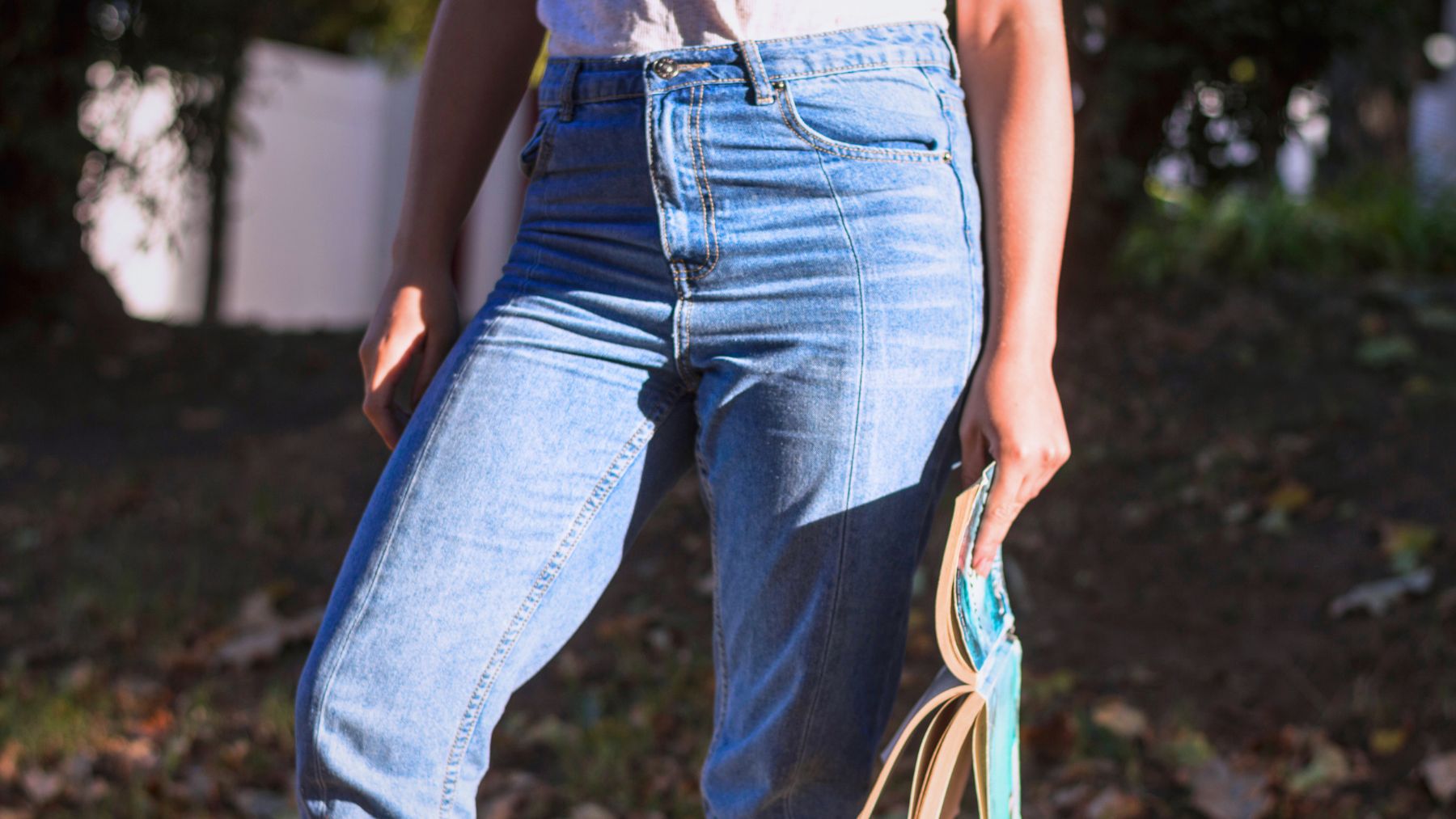
If you find yourself reaching for jeans day after day, you might be seeking ease and simplicity in your daily attire. Many people choose jeans because they fit well, are practical, and provide comfort. They have the unique ability to blend seamlessly into various outfits, from casual to semi-formal. This preference might signify a no-nonsense approach to life.
However, it could also indicate a resistance to change. Some people have dubbed jeans “sad pants” because they are often the choice when feeling low or unmotivated about one’s appearance. While this isn’t inherently negative, a wardrobe that never changes might suggest you’re not feeling your best.
It doesn’t mean it’s a sign of depression, but taking a bit of extra care to mix up your look might boost your confidence and mood. Although embracing comfort can be empowering, it’s also worth exploring new styles and outfits occasionally to keep your fashion fresh and exciting.
First impressions about jeans
When you always wear jeans, people may start to see you as laid-back and approachable, which can be a huge plus in casual settings. A pair of well-fitted jeans with a simple top can convey comfort and authenticity. But in more formal or professional settings, a constant denim look might signal a lack of effort or attention to detail.
In a country where personal branding is key, your style can speak volumes. If you always choose jeans, some may assume you’re too relaxed to invest in your image. But it’s a fine line. It all comes down to context and how you pair them with other pieces. When we put thought into our appearance, others tend to see us as more competent and reliable.
Always wearing jeans might seem like an easy, no-fuss choice, and that’s perfectly fine for many occasions. Yet, psychology tells us that our wardrobe choices can influence our mood and the way others see us. Jeans can represent comfort and reliability, but they can also hint at a reluctance to step out of a comfort zone. Remember that your clothes are just one part of your story. Mix in a little variety now and then, and you might feel a boost in confidence and energy.