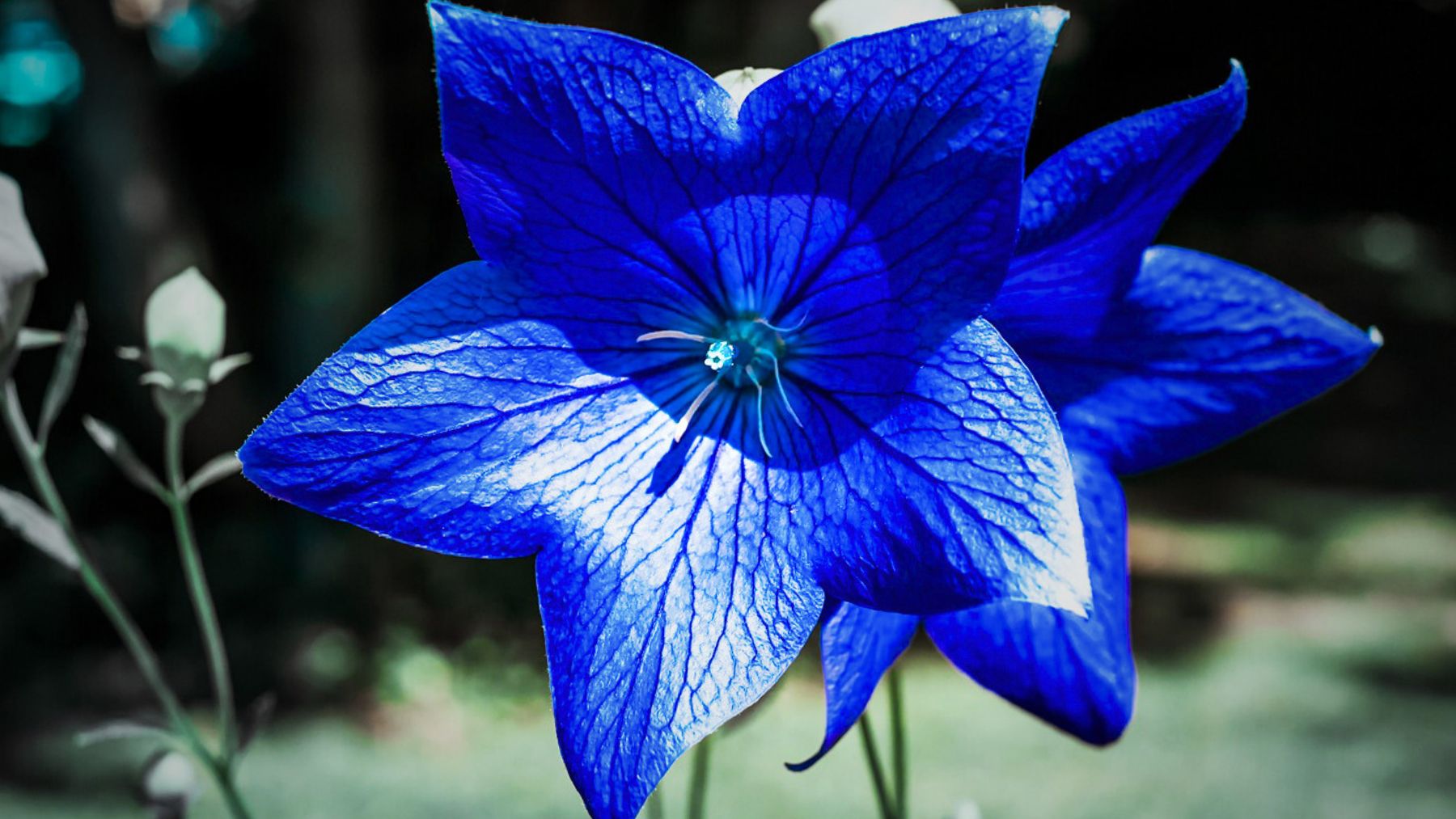
Why is blue such a popular color? In the US, different surveys reveal that between 30 and 40% of people call blue their favorite. Blue represents calm, stability, and trust. It’s the color of clear skies and serene lakes. Whether in nature or in everyday life, it seems to have a universal appeal that transcends cultures and generations.
But what is the psychology behind it? Why does this color evoke such strong feelings of comfort and security? From its calming effect on the mind to its association with positive traits, the color blue holds a significant place in our lives. Let’s learn more about it.
The meaning behind a blue personality
Loving blue might reveal a unique mix of qualities. If this is your go-to color, you’re likely searching for significance in everything you do. You love to care, encourage, and contribute, and have a strong sense of integrity. As the one who brings flowers, sets up candlelight dinners, and cherishes quality time with loved ones, you’re not just a dreamer but someone who values genuine connections.
At work, you’re probably more meticulous and analytical. You break down big problems into manageable parts and help your colleagues find solutions. You prefer environments where encouragement rules over competition. This nurturing side often leads you into careers like education, counseling, healthcare, or even law and engineering.
When blue shows its darker side
While it often represents serenity and strength, blue can also hint at some tougher traits. Sometimes, the same detail-oriented mind that makes you an excellent problem-solver can lean toward being overly rigid or unemotional. This might make you seem a bit distant.
Sometimes, your strong desire for harmony could lead to avoiding necessary conflicts. You might hold back on expressing a firm opinion, even when it could help clear the air. Remember to balance your naturally caring and supportive nature with the need to stand your ground when required.
Exploring blue shades and their meaning
Blue comes in many shades, each with its own mood and purpose. Let’s cover a few:
- Baby blue: This soft pastel blue brings a sense of innocence and calm. It is often associated with tranquility and gentleness, evoking feelings of peace and serenity. It’s a popular choice for spaces that promote relaxation and comfort.
- Pale cerulean: A muted blue with a touch of gray, it exudes sophistication and elegance. It is perceived as a refined and calming color, often used to create an atmosphere of understated luxury.
- Dark blue: This deep shade is often associated with authority, trust, and confidence. It conveys a sense of stability and seriousness, making it a preferred color for settings where leadership and dependability are key. It can also evoke a sense of introspection and depth.
- Sky blue: Bright and uplifting, it mirrors clear summer days, symbolizing freedom, expansiveness, and positivity. This light and airy shade is often linked to creativity and inspiration, promoting a sense of openness and possibility. It can bring an invigorating and refreshing vibe to any space, fostering a cheerful and optimistic atmosphere.
If blue is your favorite color, you embody a unique blend of romance, resilience, and nurturing qualities. You deeply value connections, authenticity, and harmony in all aspects of your life. While blue might appear simple at first glance, it carries complexities that reflect your true self and the depth of your character.