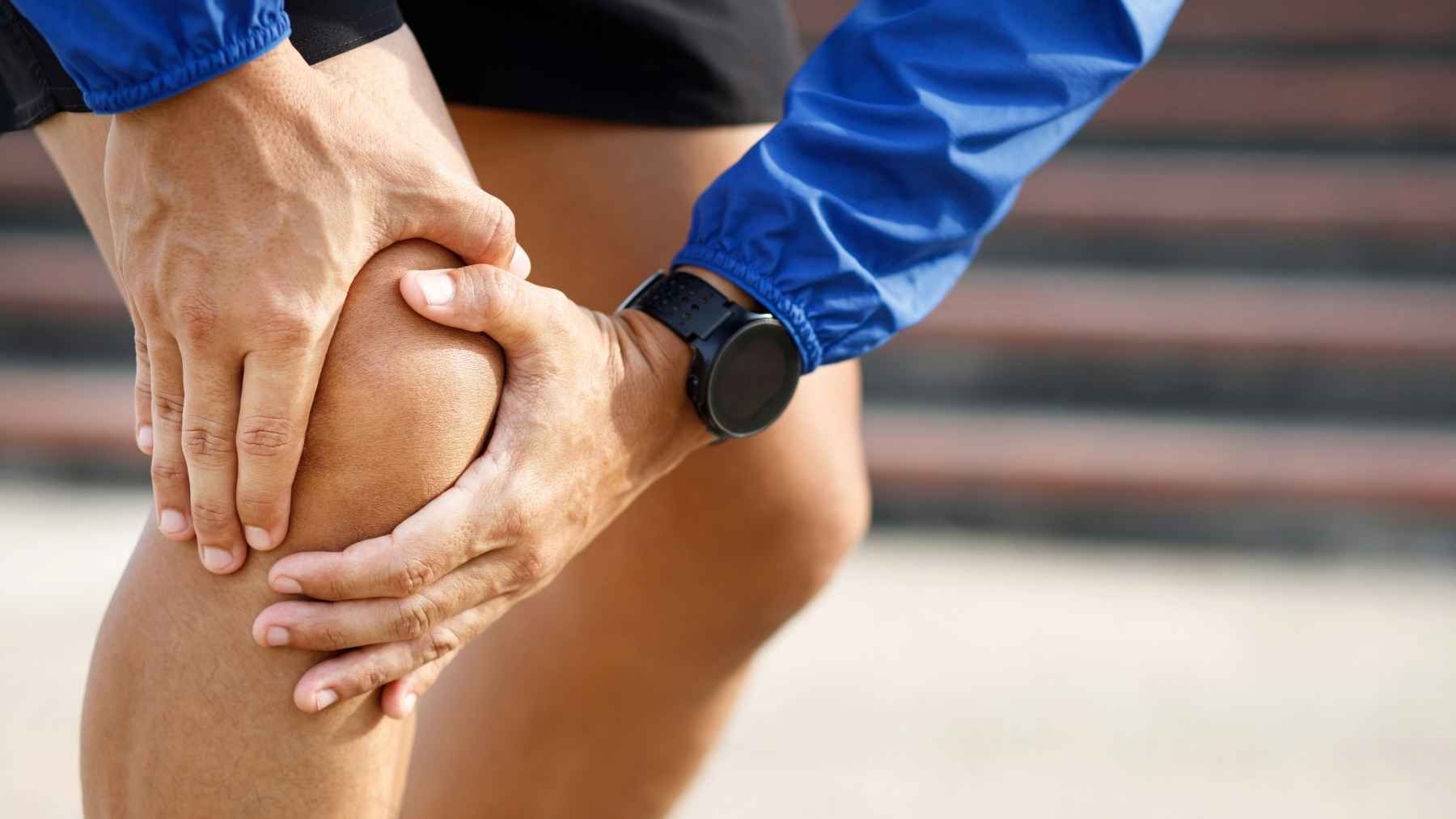
Knee osteoarthritis can turn stairs, errands, or the first steps after sitting into a daily stress test. So what actually helps? The answer is usually not complete inactivity, but regular low-impact movement and stronger surrounding muscles.
There are no known exercises that rebuild cartilage that has already worn away. The realistic goal is to mitigate avoidable strain, maintain mobility, and strengthen the muscles that absorb shock with every step.
A major 2025 analysis found that aerobic exercise offered the most consistent overall gains in pain, function, walking, and quality of life.
Osteoarthritis affects the whole knee
Cartilage is the smooth tissue covering the ends of bones, helping them glide and spread pressure. Osteoarthritis can also plague the meniscus, bone, joint lining, ligaments, tendons, and nearby muscles. It is a disease of the whole joint, not simply an expected result of growing old.
Pain often makes people less mobile, which can cause atrophy of the thigh and hip muscles that stabilize the knee. Stiffness then builds during rest, and standing from a chair or walking across a parking lot can feel harder. That vicious cycle continues as weak muscles leave the joint with less support.
Daily habits can raise the load
Long periods in one position followed by a sudden burst of effort can be a rough combination. Rushing upstairs, dropping into a deep squat, twisting on a planted foot, or doing hours of chores without breaks may flare symptoms. Sitting itself is not the enemy, but stillness followed by quick exertion can be.
Common advice suggests changing positions regularly and splitting housework into shorter blocks. Carry groceries with both hands and close to the body instead of hanging a heavy bag from one side. A firm chair with arms and flexible, supportive shoes may also make repeated standing and walking easier.
Body weight matters when extra load is part of the picture, though it should be discussed without blame. For overweight people, weight reduction can soften stress on the knee and improve pain and mobility. However, it should not be understood that damaged cartilage has grown back.
Aerobic exercise leads the research
In the 2025 review, Lei Yan and Bin Wang’s team at the First Affiliated Hospital of Zhejiang University School of Medicine analyzed 217 randomized trials involving about 15,700 people. The researchers compared aerobic, strengthening, flexibility, mind-body, movement-control, and mixed programs.
Aerobic activity, including walking, cycling, and water-based exercise, most often ranked highest for reducing pain and improving function, gait, and quality of life. The authors put it “as a first-line intervention for knee osteoarthritis management.”
Still, most comparisons were indirect, long-term data were limited, and only 40 trials reported safety, so the result is a strong guide rather than a license to push through pain.
Gentle exercises that fit real life
A level-ground walk for 10 to 20 minutes is an accessible starting point when it does not sharply increase symptoms. A stationary bike with low resistance is another option, with the seat adjusted so the knee does not straighten completely at the bottom of the pedal stroke.
Swimming or water exercise can reduce how much body weight the knee carries.
Strength work does not need to be complicated. A straight-leg raise targets the quadriceps at the front of the thigh, while a glute bridge builds hip and buttock strength. Gentle calf and hamstring stretches, done without bouncing, can support mobility.
Tai chi offers a slower route. A 2022 randomized trial led by Jiulong Song at Nanjing Medical University followed 40 older women for 12 weeks and found improvements in pain, stiffness, function, balance, and quality of life, although the small sample limits broader conclusions.
The American College of Rheumatology also strongly recommends tai chi for knee and hip osteoarthritis.
Use pain as feedback
Warm up for 5 to 10 minutes with easy walking or gentle knee movement. Mild muscle soreness or temporary stiffness can occur when a routine is new, but sharp pain is not a training target–more is not automatically better.
Use the next day as a reality check. If the knee is clearly in more pain, visibly swollen, or harder to bear weight on, reduce the duration or resistance. Avoid sudden pivots, pause during long periods of standing or sitting, and progress only after the joint nears its usual baseline.
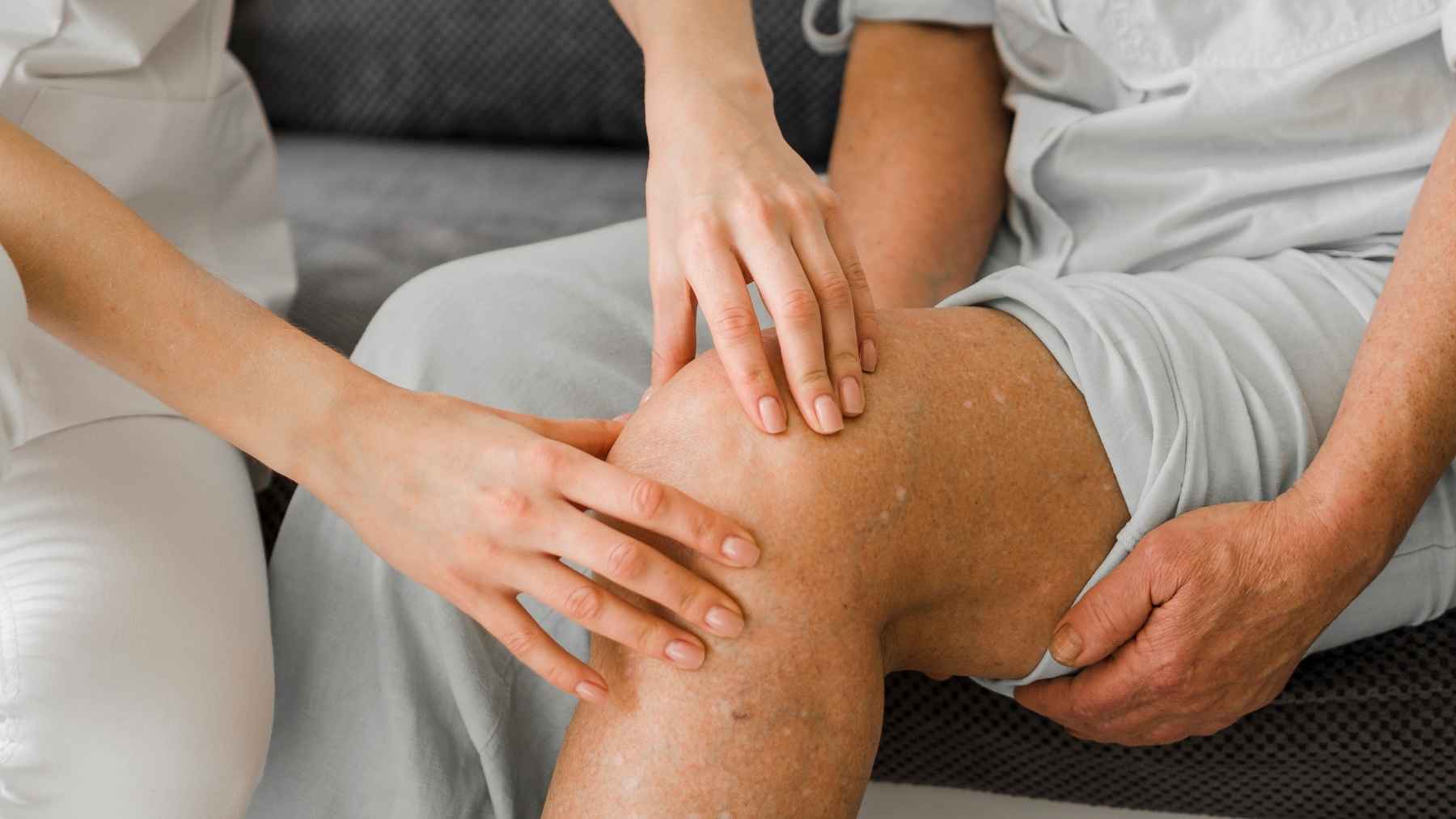
See a doctor if persistent night pain, repeated swelling, locking, giving way, or a steady loss of motion, especially when bearing weight becomes difficult.
This article is for general information and does not replace diagnosis or individualized care from a qualified health professional.
The main study was published in The BMJ.