Spain entered August with heat still shaping daily routines, outdoor work, and sports training. The State Meteorological Agency reported that spring 2026 was the country’s second warmest on record, about 2.9 degrees Fahrenheit above the 1991 through 2020 average. It also expects August through October to be warmer than normal across Spain.
Nutritionist Javier Modi recently warned that pouring cold water over the head or placing a chilled towel on the neck can create relief without lowering body temperature by the same amount.
“Feeling cooler does not mean body temperature has fallen by the same amount,” he argued in advice shared widely online. Research supports that distinction, but it does not show that head or neck cooling is simply a bad idea.
What neck cooling really does
Core temperature is the heat inside the body around vital organs, not the temperature of one patch of skin. A cold towel can quickly cool the neck and change how hot a person feels while producing only a small change deeper inside. That difference matters during hard exercise.
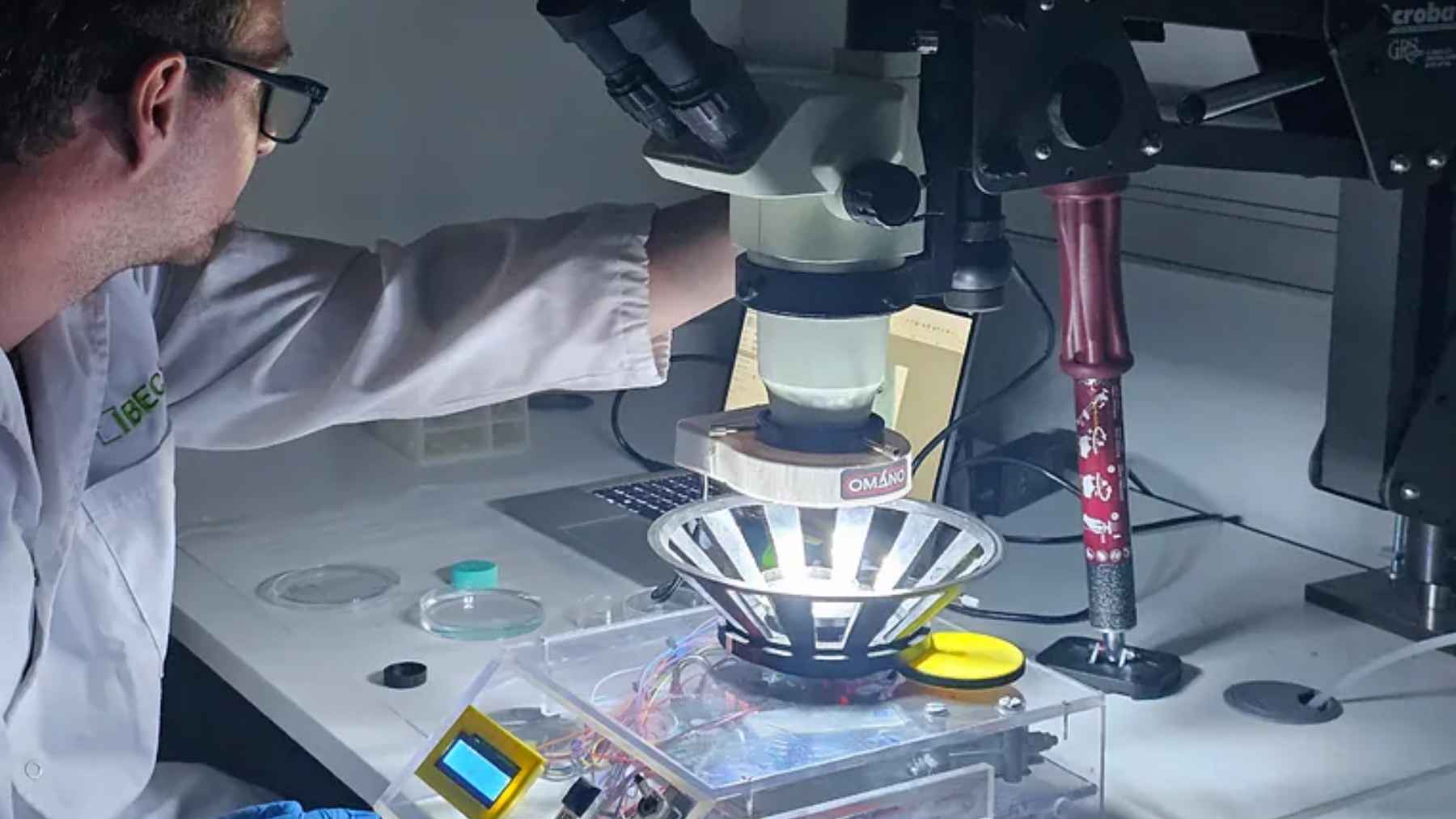
A 2025 systematic review led by exercise scientist Christopher J. Stevens at Southern Cross University examined 63 controlled studies involving 618 people. Almost 87 percent were men, and the methods included cold towels, water spraying, chilled collars, cold air, headwear, and gel packs.
Cooling improved comfort and lowered skin temperature where it was applied, but its effects on heart rate and core temperature were negligible.
So is the brain being fooled? Local cooling changes heat perception more than whole-body heat storage, but researchers found no evidence that this caused harmful performance effects or pushed participants into heat illness.
An earlier review also found that neck cooling may help endurance and repeated sprint performance, while face cooling with water can be a practical option.

A nutrition expert discusses the benefits and limits of using cold water to cool the head and neck during extreme heat.
Cold drinks and hand cooling
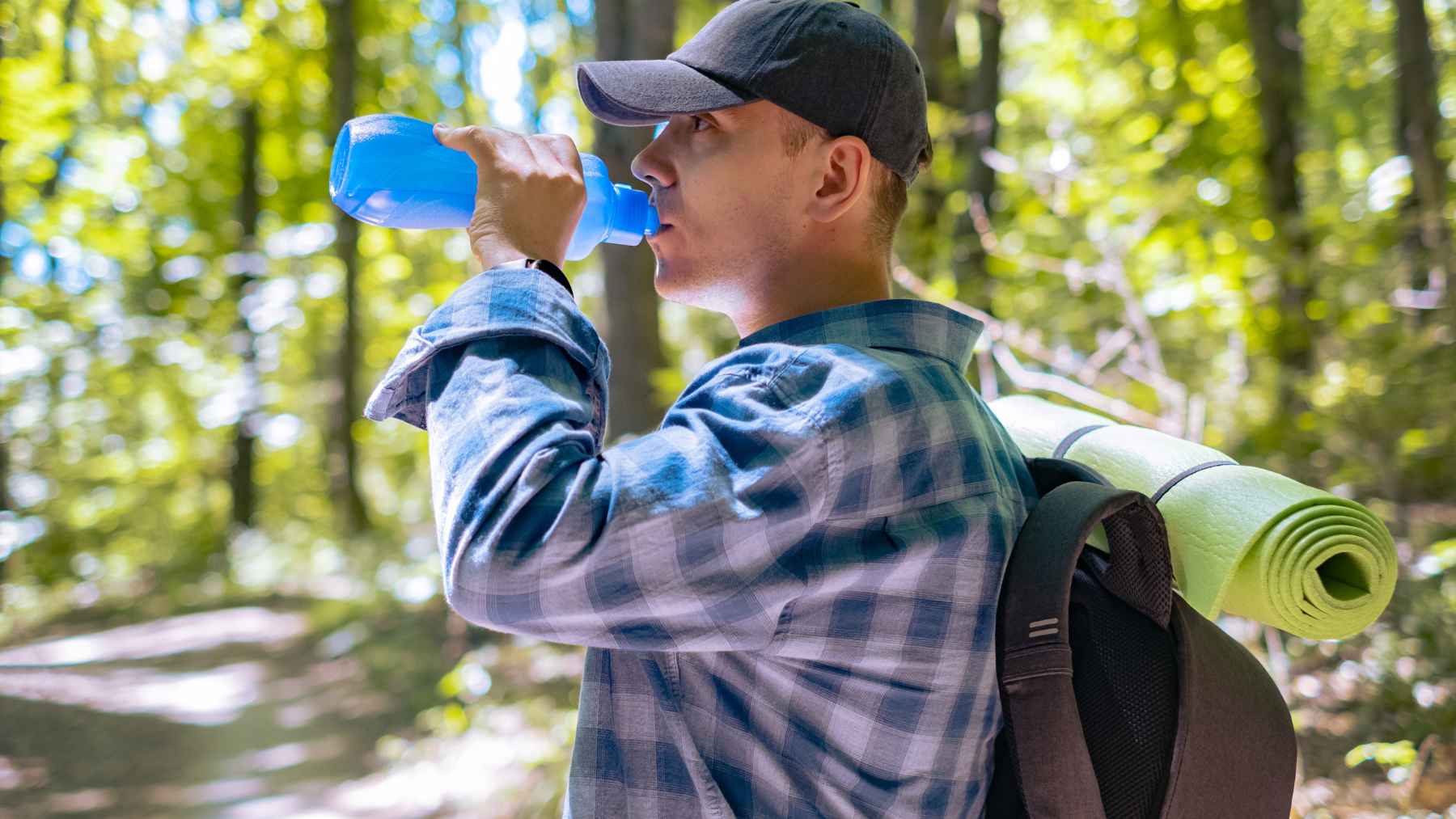
Cold water can be easier to drink, and research found that cooler beverages increased fluid intake during exercise. Another review suggests cold water or ice slush may improve endurance in the heat, although findings on core temperature are mixed. “Cooling from the inside” can help, but it is not a guaranteed or dramatic effect.
For moderate work lasting less than two hours, the National Institute for Occupational Safety and Health advises about 8 ounces of water every 15 to 20 minutes. Longer periods of heavy sweating may require balanced electrolytes, plus rest in shade or air conditioning.
The same guidance recommends immersing the hands and forearms in water between 50 and 68 degrees Fahrenheit during recovery breaks.
The palms and soles contain specialized blood-vessel pathways that move warm blood close to the skin, but they are not magic switches. Research found that cooling both hands lowered core temperature more than passive rest, yet the rate was too slow for emergency treatment.
Foot immersion has also improved comfort while showing little effect on deeper body heat, so a quick splash may feel good without doing much more.
A smarter heat plan
For exercise, the safest approach starts before anyone reaches for a towel. Train during cooler hours, reduce intensity when conditions worsen, take regular breaks, wear breathable clothing, and build heat tolerance gradually over one to two weeks. That sticky summer heat can turn an ordinary workout into a much heavier load.
Pouring water over the head, face, or neck can stay in the toolbox because it may improve comfort. Just pair it with broader measures such as cool fluids, shaded recovery, wetting more skin, or immersing the hands and forearms. Feeling better is useful, but it should not be the only safety gauge.
Watch for heavy sweating, weakness, dizziness, nausea, headache, or a fast pulse. Those can signal heat exhaustion, which calls for stopping activity, moving to a cool place, loosening clothing, cooling the skin, and taking small sips of water when the person is fully alert. The trouble is, heat exhaustion can worsen quickly.
Heat stroke changes everything
Heat stroke is more dangerous and may involve a body temperature above 104 degrees Fahrenheit, confusion, behavior changes, seizures, poor coordination, or loss of consciousness. Call emergency services immediately. This is not the moment to rely on a cold bottle or wet palms.
While help is coming, move the person to a cool place, remove excess clothing, and cool as much of the body as possible with cold-water immersion, a cold shower, or wet towels.
Do not give fluids to someone with altered consciousness. Spain’s Ministry of Health describes heat stroke as a life-threatening emergency that requires immediate cooling and medical care.
The practical takeaway is simple. A cold towel on the neck can make the heat easier to bear, but feeling cooler is not proof that the body is safe.
The main review was published in the International Journal of Sports Physiology and Performance.