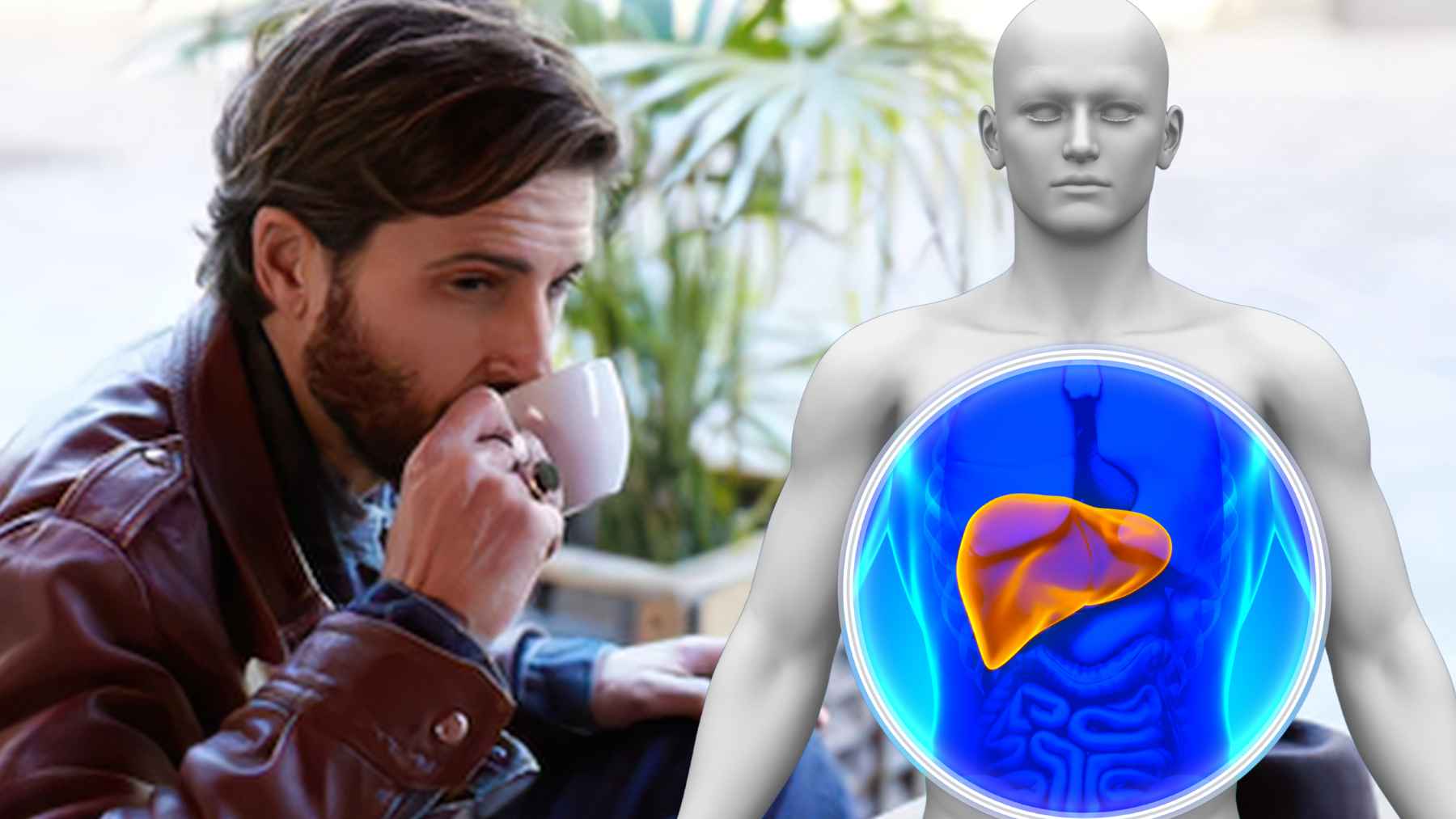
Coffee has long had a reputation as a liver-friendly drink. Can a morning cup actually lower ALT and AST enzymes when blood work results come back high, or help when fatty liver shows up on a scan? A 2024 study offers a useful warning against turning a statistical association into a home treatment.
The headline finding needs caution. Higher caffeine intake was linked to lower odds of abnormal AST, but also to higher odds of abnormal alkaline phosphatase, another blood marker connected to the liver and other tissues.
Combined coffee and tea intake showed no clear adjusted link with the main liver enzymes, and people identified as having fatty liver were excluded from the study.
What the researchers tested
Lead author Shole Daneshvar-Ghahfarokhi and colleagues at Rafsanjan University of Medical Sciences studied 8,889 adults ages 35 to 70 in Iran. The data came from a population cohort, with food questionnaires and blood tests gathered between August 2015 and December 2017.
The study was cross-sectional, meaning it captured diet and health at one broad point rather than instructing people to drink coffee. That matters because it can only show patterns, not prove that caffeine caused an enzyme to rise or fall.
The researchers also combined tea and coffee in one major intake measure and did not record brewing method or coffee type.
The enzyme result was mixed
After adjustments, those in the highest caffeine intake group had 35% lower odds of an abnormal AST result than those in the lowest group. At the same time, they had 22% higher probability of an abnormal alkaline phosphatase result. That is not a clean liver protection signal.
ALT and AST are enzymes released into the blood when liver cells are stressed or injured, although AST is also produced in muscle and other tissues. Alkaline phosphatase, often shortened to ALP, is found in the liver, bile ducts, and bones. One number can suggest a problem, but it rarely explains the cause by itself.
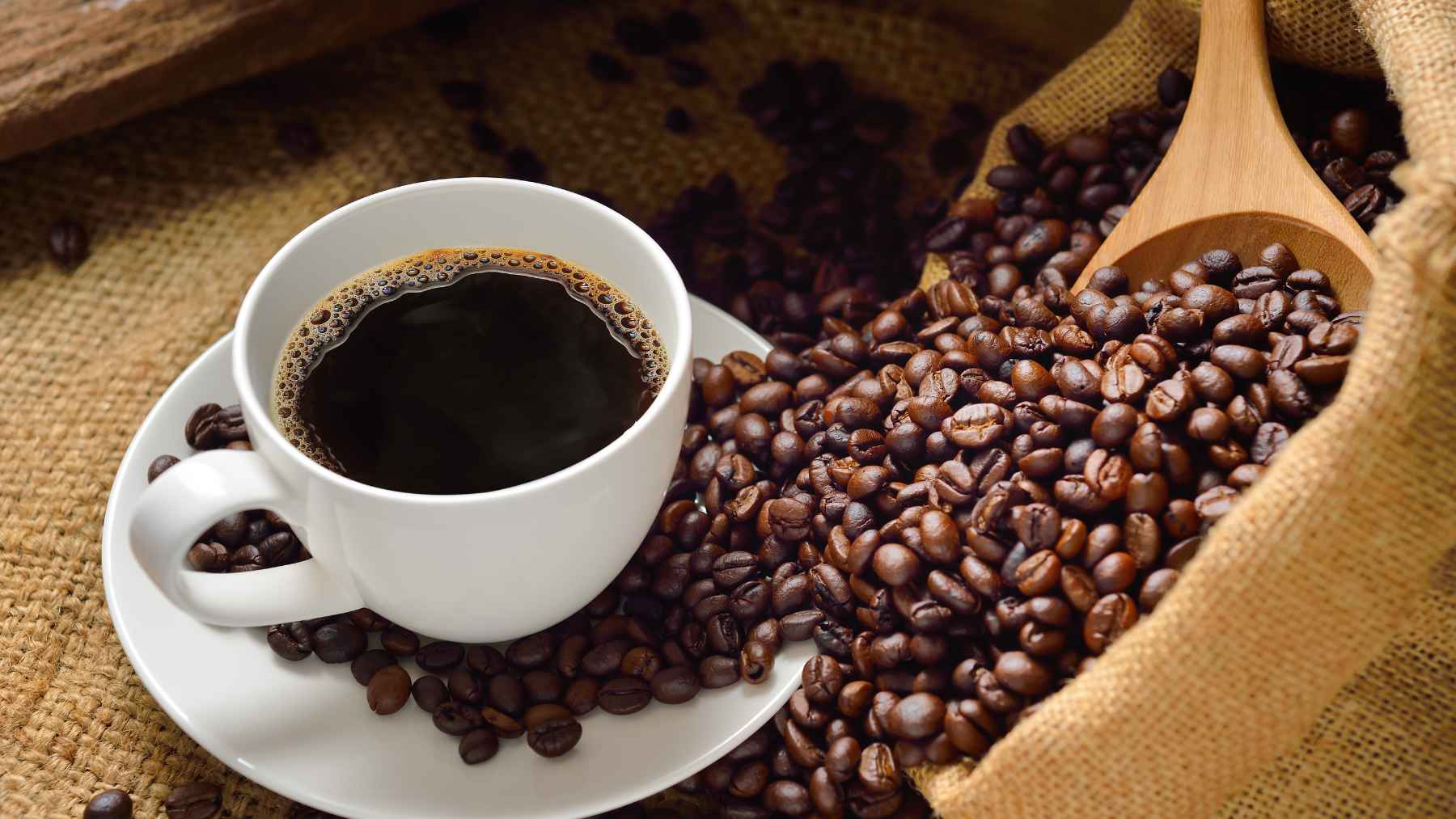
A cup of black coffee sits among roasted coffee beans as researchers examine the potential links between caffeine and liver health.
Fatty liver can hide behind normal tests
Fatty liver is when excess fat has built up inside liver cells. It often goes hand in hand with abdominal obesity, insulin resistance, high triglycerides, or type-2 diabetes, but high ALT and AST are not required. However, people can have significant inflammation or scarring even when those enzymes look normal.
This is why the 2024 study cannot be interpreted as a treatment trial for fatty liver. Participants recorded as having the condition were excluded, so the results mostly show associations in a different population. Coffee could be part of the picture, but the study did not test whether it reverses fat or fibrosis.
Why past research sounds more positive
A 2022 systematic review and meta-analysis led by Enrique Linden-Torres gathered 14 randomized trials involving 897 people. It found no significant effect of coffee on ALT, AST, or several other liver-related enzymes, although adiponectin increased.
Adiponectin is a hormone produced by fat tissue and associated with insulin sensitivity, not a direct measure of liver repair.
Observational studies often paint a more encouraging picture, especially for liver scarring known as fibrosis. Still, 2024 guidance from the European Association for the Study of the Liver contends this evidence is vulnerable to confounding, and randomized trials remain rare or inconclusive. Its bottom line is simple: “no firm conclusions can be drawn.”
What doctors watch instead
When liver enzymes remain high, doctors usually look beyond coffee. Guidance from the National Institute of Diabetes and Digestive and Kidney Diseases describes blood tests, imaging, and even a biopsy, which examines a small tissue sample. Modern methods may also use scores built from age, enzymes, and platelets, followed by elastography to estimate liver stiffness.
In practical terms, clinicians may review trends in ALT, AST, GGT, blood sugar, A1C, cholesterol, triglycerides, waist size, weight, medications, and alcohol use. An ultrasound can show liver fat, but ordinary imaging cannot fully reveal scarring or inflammation. Those clues matter more as a group than any single cup of coffee.
Should you keep drinking coffee?
The evidence does not support a universal rule that those with elevated liver enzymes should stop drinking coffee.
Plain coffee may form part of a balanced diet for many adults, but a large drink loaded with sugar and cream is a different ballgame. Sleep, weight, exercise, glucose control, alcohol, and the cause of the abnormal tests still carry more clinical weight.
Personal tolerance also plays a part. The U.S. Food and Drug Administration notes that too much caffeine can trigger insomnia, jitters, a racing heart, upset stomachs, or palpitations, and sensitivity varies widely. Persistent or rising liver enzymes deserve medical attention rather than a do-it-yourself coffee experiment.
This article is informational and does not replace professional evaluation, diagnosis, or follow-up.
The main study was published in Scientific Reports.