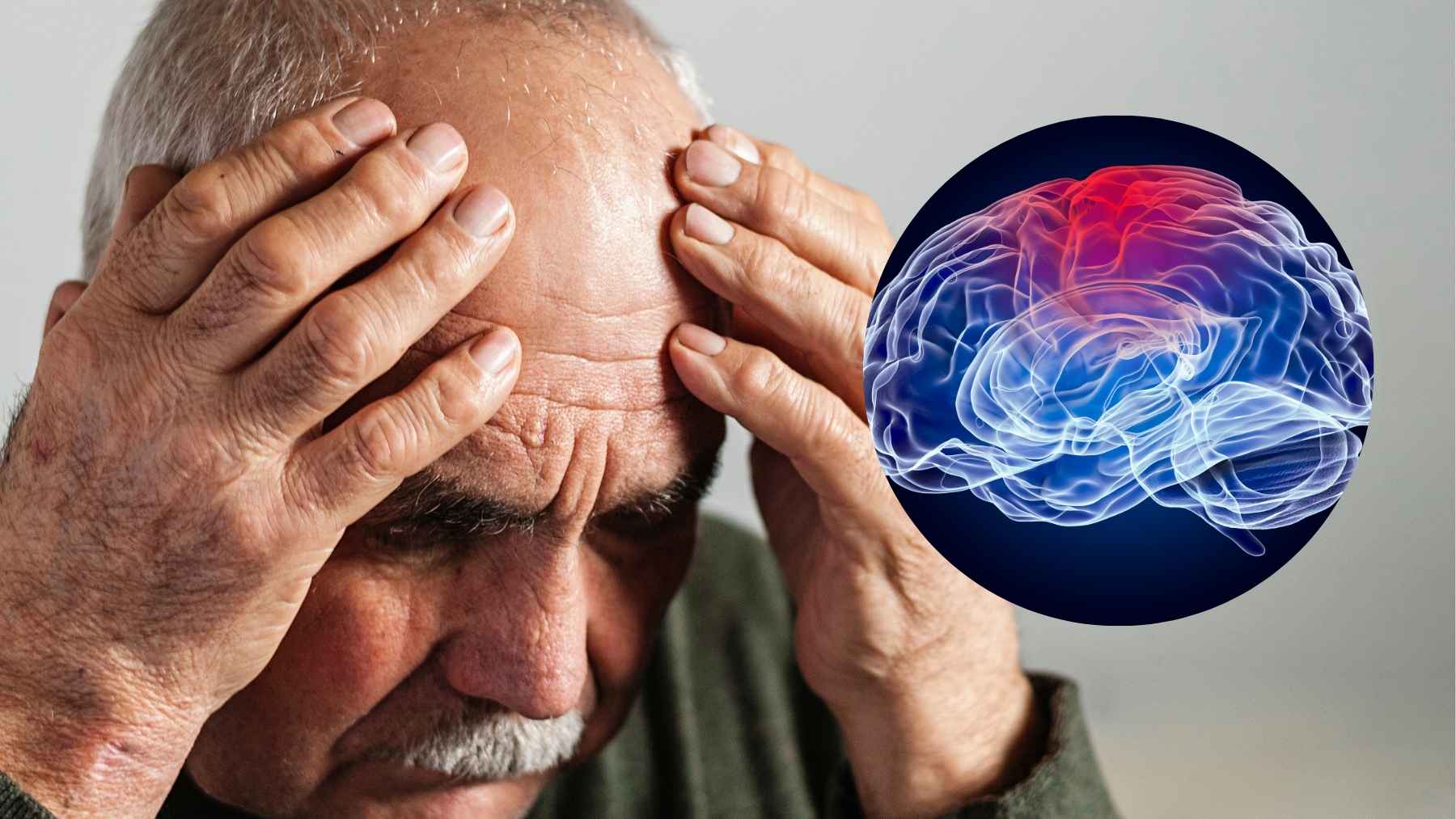
A protein already made by the body may help defend the brain against some of the damage associated with Alzheimer’s disease. In a new mouse study, raising levels of SORLA reduced abnormal tau buildup, brain shrinkage and damage to the connections that let nerve cells communicate.
The finding is promising, but it is not proof of a treatment or a way to prevent dementia in people. What makes the work stand out is that SORLA appears to affect tau, while earlier research had mainly connected the protein with amyloid beta, another major feature of Alzheimer’s.
The brain’s natural traffic manager
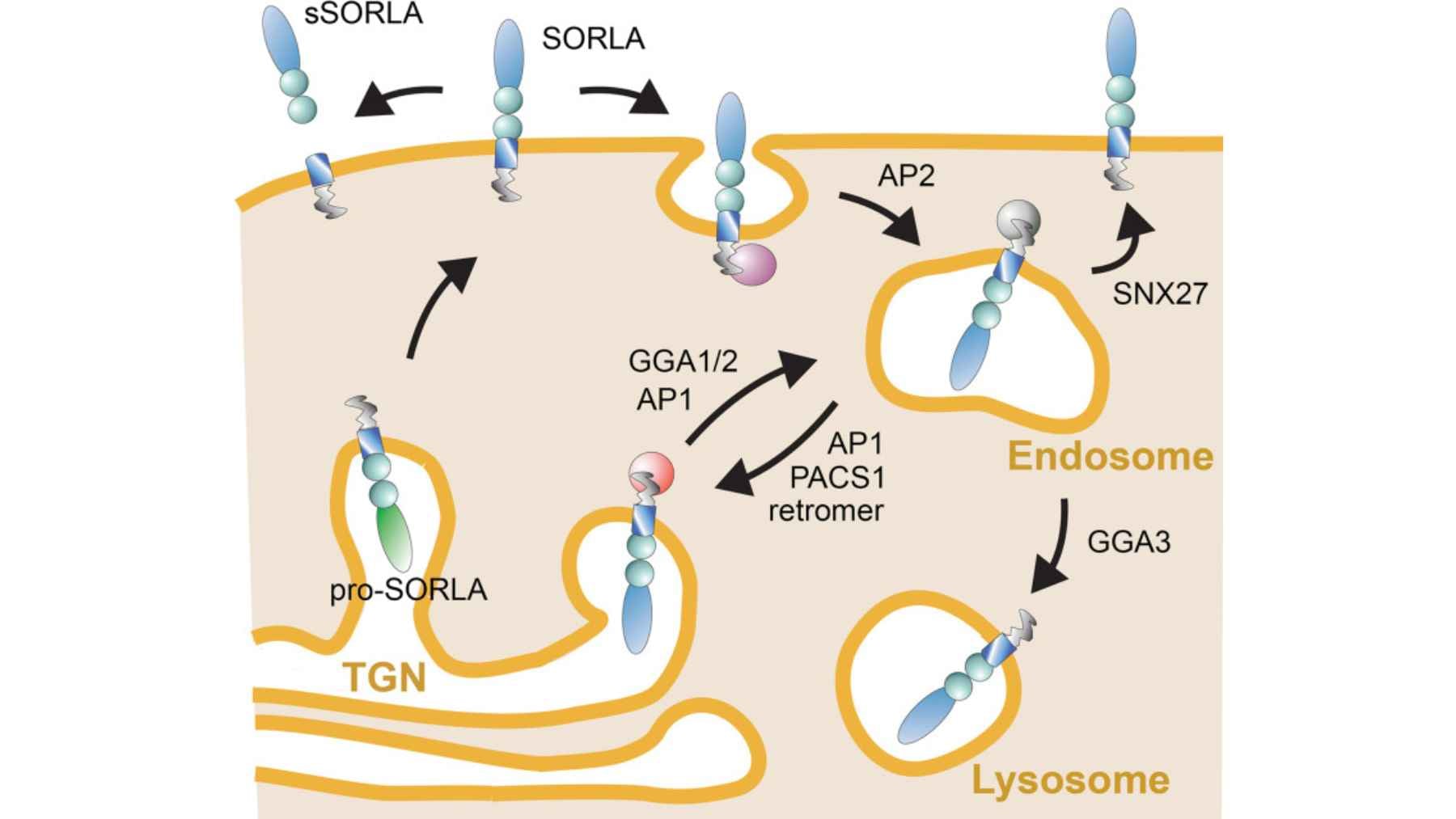
SORLA is a receptor produced from instructions in the SORL1 gene. In simple terms, it works like a traffic manager inside cells, helping direct proteins to the right place for use, recycling or disposal.
That job matters because brain cells depend on carefully organized transport systems. Variants that disrupt SORL1 have been linked to Alzheimer’s disease, giving scientists a reason to ask whether strengthening SORLA could protect vulnerable neurons.
Tau has a different role. In a healthy neuron, it helps stabilize tiny internal tracks that support the cell and move materials from one area to another. In Alzheimer’s disease and other tauopathies, tau can change shape and form tangles that disrupt brain circuits and contribute to nerve cell death.
How the experiment worked
The research team crossed mice that produced extra human SORLA with PS19 mice, a model that develops abnormal tau and brain atrophy as it ages. They also studied mice engineered to lack SORLA, creating an opposite comparison.
This was more than a look at stained brain slices. The scientists examined broad protein profiles, measured gene activity in individual cells and mapped molecular changes within brain tissue. Think of it as a detailed census of neurons and the support cells around them.
Lead author Huijie Huang said, “We found there was less brain atrophy and less tau accumulation.” The work was supervised by Timothy Y. Huang at Sanford Burnham Prebys Medical Discovery Institute in California and published on July 17, 2026.
SORLA reduced several signs of damage
Mice with extra SORLA showed less excessive phosphorylation of tau and less “seeding,” the process by which misshapen tau encourages more tau to join a growing clump. The animals also had less enlargement of the brain’s fluid-filled ventricles, a sign of tissue loss in this mouse model.
The protection reached the synapses, the tiny junctions where one neuron passes a signal to another. Researchers found less synapse loss and better preservation of long-term potentiation, a process that helps neural connections strengthen and is closely tied to learning and memory.
Extra SORLA also reduced disease-related activity in glial cells, the brain’s support and immune crew. These cells normally protect neurons, but they can become overactive during disease. That wider effect suggests SORLA may influence the neighborhood around a neuron, not only the tau inside it.
Removing SORLA made damage worse
The clearest part of the study may be its two-way result. Increasing SORLA eased several forms of pathology, while deleting the SORL1 gene made tau seeding, tau aggregation and glial overactivation worse.
Researchers also identified increased signaling involving plexin-B receptors when SORLA was missing. Some drugs can act on this receptor family, raising the possibility that an existing compound could someday be tested against a pathway uncovered in the study.
Still, “possible” is the important word. The team did not identify a ready-to-use Alzheimer’s drug, and it did not show that targeting plexin-B receptors improves memory or daily functioning in patients.

The next step is human cells
The scientists now plan to study how changing SORLA levels affects specific types of human neurons and glial cells. One proposed approach is to graft human cells into diseased mouse brains, allowing researchers to observe them in a living environment with tau pathology.
“Mouse cells and human cells are different,” the senior author cautioned. That simple point marks the gap between an encouraging laboratory result and a medicine that could be prescribed at a clinic.
Researchers would still need to learn how to raise SORLA safely, which cells should be targeted and whether long-term changes affect other essential cellular jobs. Any candidate therapy would then require testing for dosage, side effects and real cognitive benefit.
Why the discovery matters
Alzheimer’s biology is not driven by one process. Amyloid beta plaques and tau tangles are two of its best-known hallmarks, and the loss of connections between neurons is closely tied to declining brain function.
SORLA is interesting because previous work linked it to amyloid beta, while the new results point to protection against tau toxicity as well. A pathway that touches both could eventually support a broader treatment strategy, though that remains an inference rather than a clinical finding.
Could the brain’s own sorting system become part of the defense against dementia? Perhaps. For now, SORLA is a promising research target, not a cure and not a supplement anyone can take.
The main study has been published in Science Advances.