Wishing for a better job, a stronger body, or a finished personal project can feel like progress. But Arnold Schwarzenegger’s famous line cuts through that comfortable illusion. “Just remember, you can’t climb the ladder of success with your hands in your pockets.”
The quote turns achievement into a simple physical picture. A ladder may show the direction, but nobody moves upward without reaching, gripping, and taking the next step. The line carries a broader lesson about converting intentions into action.
Arnold Schwarzenegger’s quote of the day
“Just remember, you can’t climb the ladder of success with your hands in your pockets,” Schwarzenegger told graduates in 2009. The ladder represents a worthwhile goal, while the hands in the pockets represent waiting or hoping that desire alone will produce a result.
Someone can talk for years about starting a business, learning a language, changing careers, or improving their health without scheduling the first task. The message is not that every effort wins. It is that no serious goal moves forward without participation.
What the ladder metaphor really means
Each rung can be understood as one manageable action. That might be sending an application, completing a workout, or spending 20 focused minutes on a skill after dinner. The step may look small, but it changes a goal from an idea into behavior.
Hard work is not a magic guarantee. Luck, money, health, timing, and access to opportunity can shape results to a large extent. Still, the metaphor focuses on what a person can control, including whether to engage, learn from a missed step, and try again.
That distinction matters. Falling back is not the same as standing still.
Where Schwarzenegger said it
The line came from Schwarzenegger’s commencement address at the University of Southern California on May 15, 2009. More than 8,000 graduates participated in the university’s 126th commencement, where he received an honorary Doctor of Humane Letters and presented six rules for success.
Those rules urged graduates to trust themselves, break some rules, accept failure, ignore naysayers, work intensely, and give something back. The ladder sentence appeared near the end of his discussion of hard work, just before the final rule about service.
That context gives the quote more depth. The climb was not presented only as personal ambition or nonstop hustle. Reaching higher also created a responsibility to help other people.
His career gave the words extra weight
By the time of the speech, Schwarzenegger had rebuilt his career several times. Born in Austria, he moved to the United States in 1968, won seven Mr. Olympia titles, became a major film actor, and later served as California’s 38th governor.
Success in one field did not hand him success in the next. Bodybuilding required physical repetition, acting demanded a new professional identity, and politics required persuading voters. Each move placed him near the bottom of another ladder.
His path is not a universal formula. But it explains why the sentence sounds less like a decorative poster and more like a summary of his working philosophy.
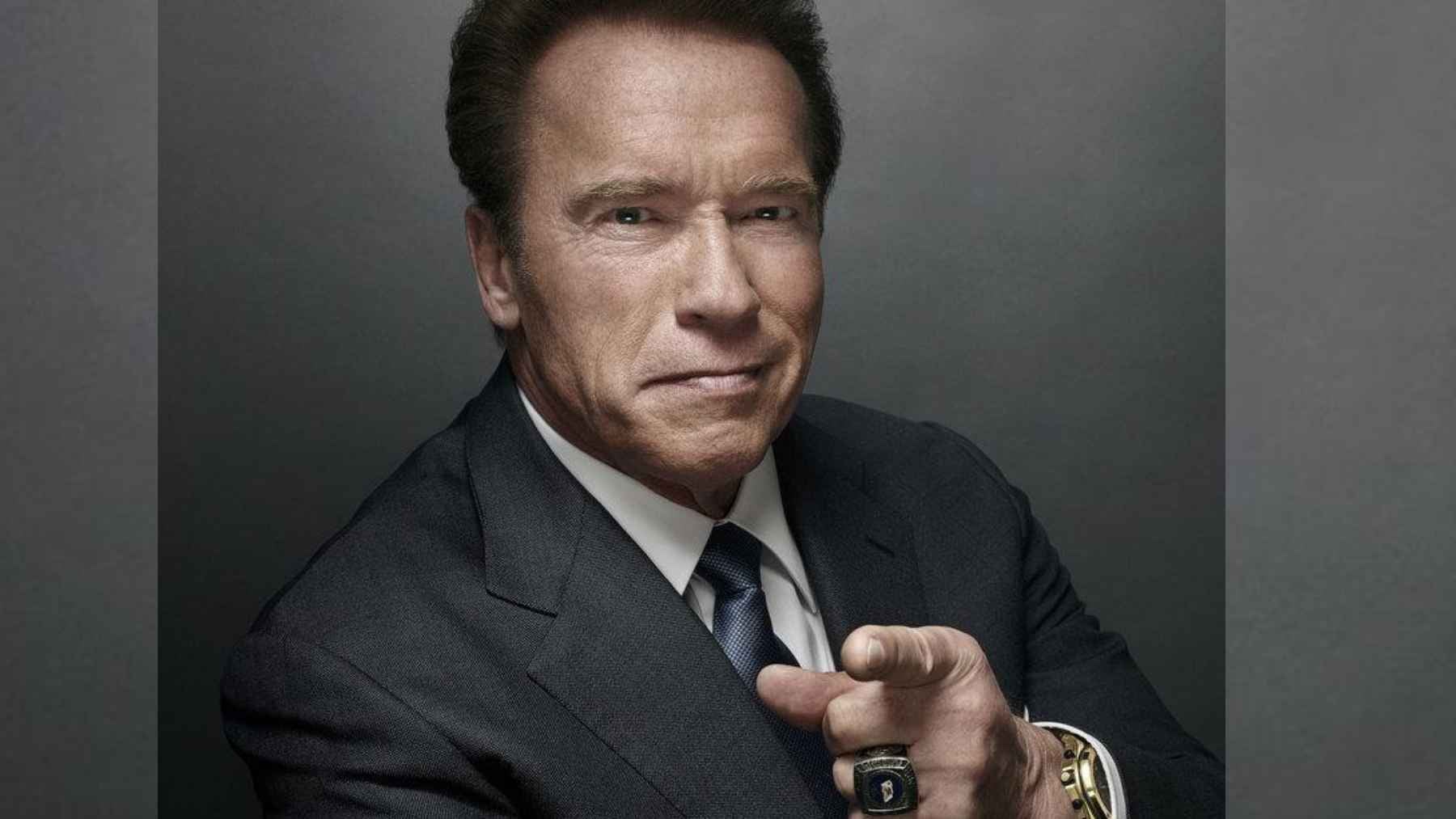
Arnold Schwarzenegger has long encouraged people to turn ambition into action, a message reflected in his famous “ladder of success” quote.
Why a goal needs a plan
Behavioral research supports the basic difference between wanting and doing. Peter Gollwitzer and Paschal Sheeran reviewed 94 studies on “implementation intentions,” which are simple plans specifying when and how a person will act. Their analysis found a meaningful improvement in goal completion compared with forming an intention alone.
The idea is down to earth. “I want to exercise more” leaves the action floating, while “After work on Monday, I will walk for 30 minutes” gives it a time and trigger. The second statement puts a hand on the ladder.
A plan can also make the first step less intimidating. You do not need to solve a whole career change tonight. You may only need to update one section of your résumé.
Why consistency often beats motivation
Motivation can be powerful, but it is unreliable. It may arrive after an inspiring speech and disappear during a busy week or an ordinary Tuesday when the work feels dull.
Research led by Phillippa Lally at University College London found that a new behavior took an average of 66 days to become more automatic. Missing one opportunity did not significantly derail the process, while deep inconsistency made habit formation less likely.
That is encouraging because progress does not require a perfect record. For the most part, it requires returning to the task. One missed rung is a setback, not the end of the ladder.
Why the quote still resonates
The sentence remains useful because it does not pretend that success arrives in one dramatic scene. Public stories show the championship, starring role, promotion, or launch day. They rarely show the quiet repetitions that made the visible moment possible.
So what should someone take from it today? Choose one goal, name the next action, attach it to a real time, and begin before motivation feels perfect. Ambition points upward, but action starts the climb.
An account of the 2009 commencement has been published by the University of Southern California.