A single tick bite can turn a familiar steak, burger, or pork chop into a health risk that appears hours later. Oklahoma will begin tracking suspected cases of alpha-gal syndrome on November 1, 2026, under Senate Bill 1644, a new law designed to reveal how widely the allergy is affecting the state.
The change matters because Oklahoma has never had a statewide reporting system for the condition, even as doctors say they are seeing it more often.
By requiring health care providers and laboratories to notify state officials, the law could turn scattered diagnoses into useful public health data and help patients recognize symptoms that often look like food poisoning. That is the blind spot the new law is meant to expose.
Oklahoma starts counting cases
Making alpha-gal syndrome reportable does not mean the allergy spreads from person to person. It means suspected cases must be shared with the Oklahoma State Department of Health so officials can watch trends, identify heavily affected areas, and decide where education is needed.
Sen. Brenda Stanley and Rep. Cynthia Roe sponsored the measure. It was signed into law on May 6, 2026, after passing the state Senate by 44 votes to 2 and the House by 82 votes to 0.
Dr. George Monks, former president of the Oklahoma State Medical Association, said the condition is becoming harder to ignore. “In my 23 years of practice, this is something I am seeing more and more often, and I am diagnosing more patients with it,” he said.
Why the allergy can hide
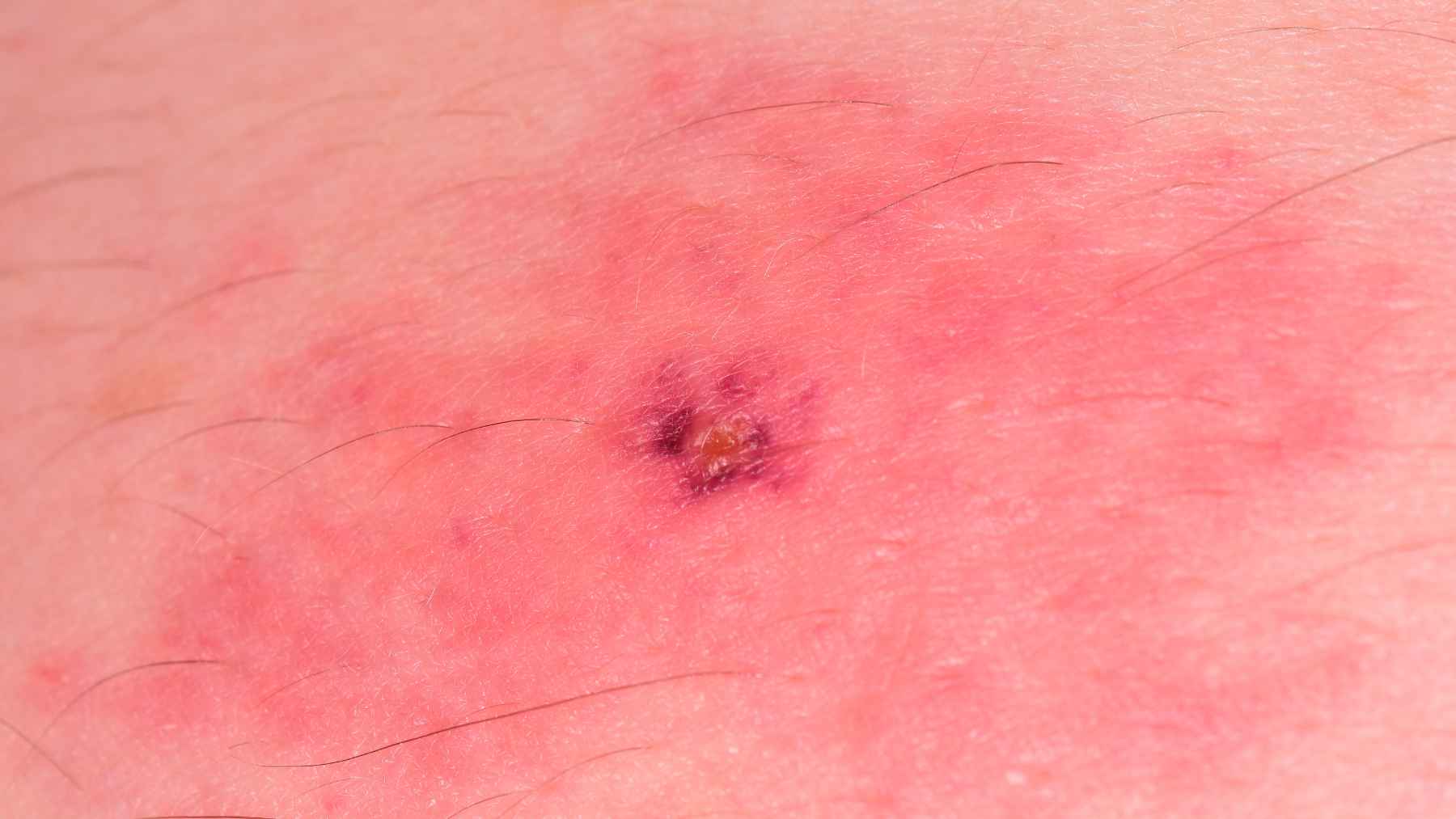
Why is it so easy to miss? Most food allergies strike quickly, but alpha-gal reactions usually begin two to six hours after exposure. Someone can eat dinner, go home, and wake up sick in the middle of the night.
Jonathan Cammack, an assistant professor and state Extension specialist in the Oklahoma State University Department of Entomology and Plant Pathology, said that delay can confuse people. “A lot of people will probably think they have food poisoning when it could actually be alpha-gal syndrome,” he said.
Hives are not guaranteed either. Sharon Forsyth, executive director of Alpha-Gal Information and the Alpha-Gal Alliance Action Fund, lives with the syndrome and helped push the law, arguing that better counts could support federal funding for clinician education.
“Everybody thinks an allergy gives you hives,” she said, but some patients have severe digestive problems or faint without developing a rash.
What alpha-gal syndrome does
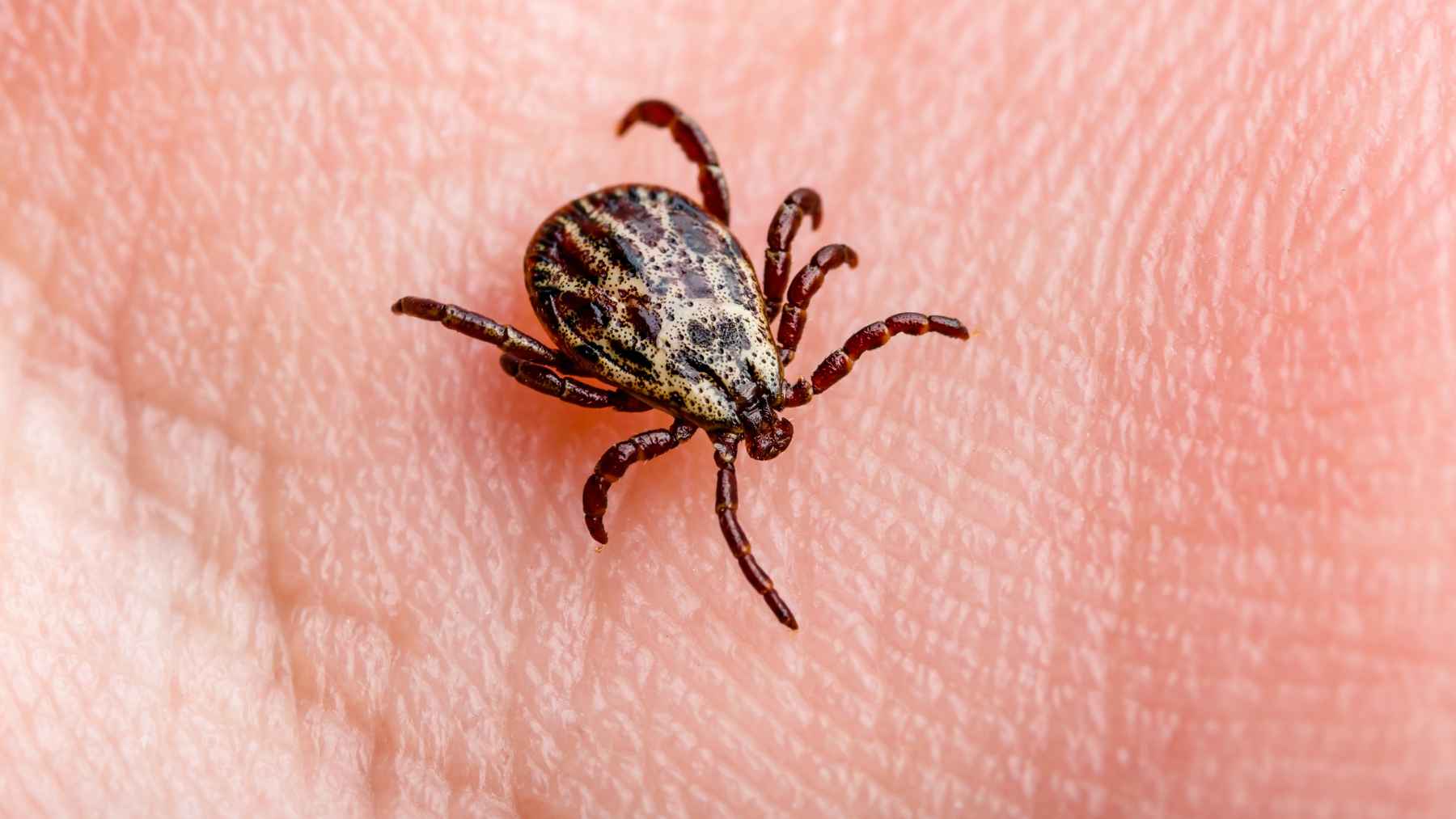
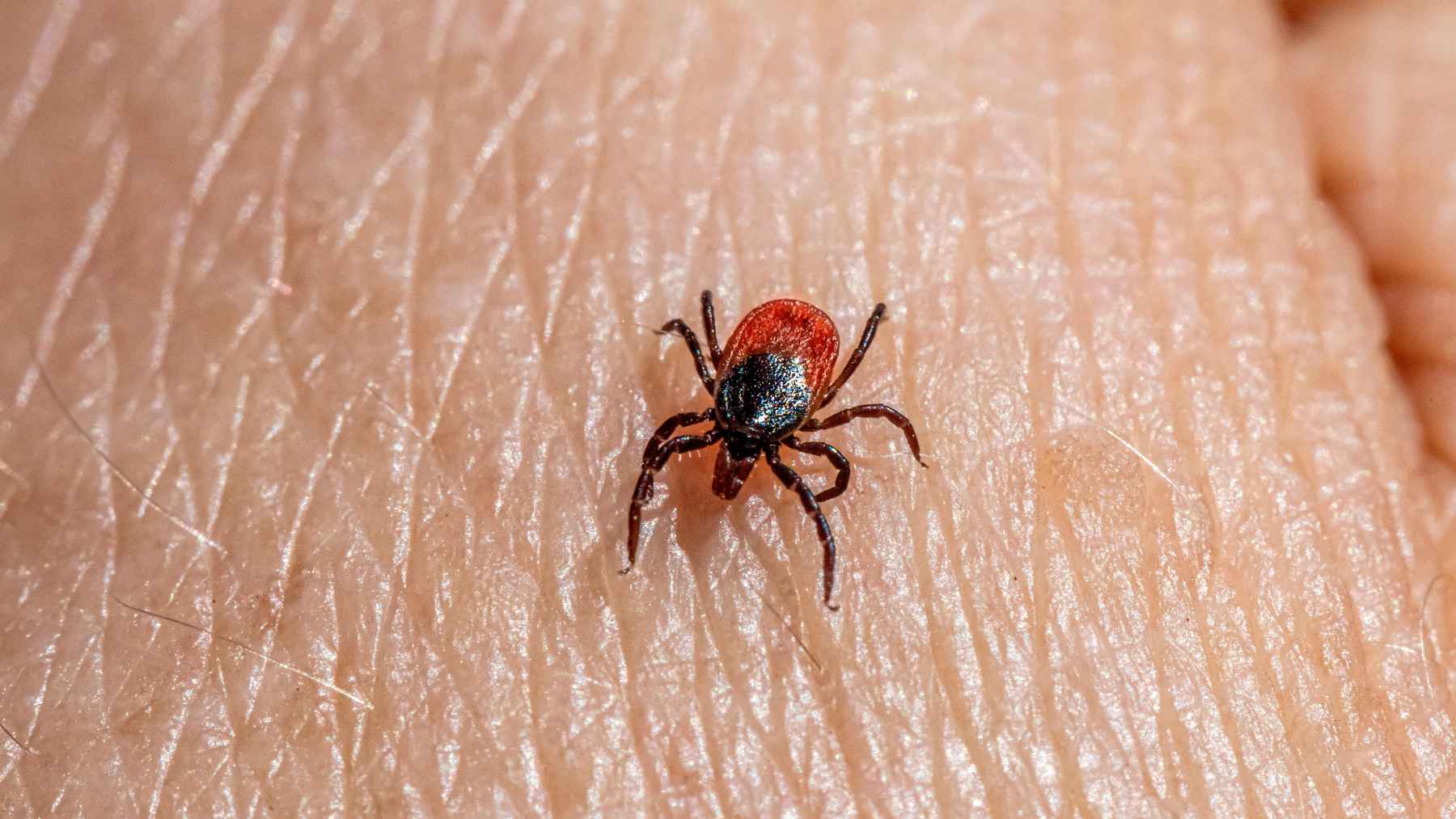
Alpha-gal is a sugar molecule found naturally in most mammals, including cows and pigs, but not in people. A bite from a lone star tick can introduce the molecule through its saliva and prompt the immune system to treat it as a threat.
After that immune change, beef, pork, lamb, venison, and other mammal meat may trigger a reaction. Some patients also react to dairy, gelatin, medications, or products made with mammal ingredients, so the condition can reshape a grocery list and medicine cabinet almost overnight.
Symptoms can include stomach pain, nausea, diarrhea, hives, swelling, breathing trouble, dizziness, and a dangerous drop in blood pressure. Severe anaphylaxis can be life-threatening and requires immediate emergency care.
A wider national problem
Oklahoma’s law arrives amid a much larger counting problem. The Centers for Disease Control and Prevention identified more than 110,000 suspected U.S. cases from 2010 through 2022 and estimated that as many as 450,000 people may have been affected.
A July 2026 study tested 3,000 blood-donor samples from 10 states. In the five states with the highest levels, about 24 percent had alpha-gal antibodies, but researchers stressed that antibody positivity alone does not mean a person has the allergy.
Medical awareness remains another weak point. A federal survey of 1,500 health care providers found that 42 percent had never heard of alpha-gal syndrome, and fewer than one-third of those familiar with it knew how to diagnose it.
Testing and prevention
A blood test is central to diagnosis, but it is not the whole answer. Clinicians also consider symptoms, their delayed timing, physical findings, and a patient’s history of tick bites or outdoor exposure because a positive test alone can reflect sensitization without actual illness.
There is no established cure, so patients generally manage the condition by avoiding their personal triggers and preventing more tick bites. Repellent, protective clothing, careful tick checks, and a shower after time outdoors are simple steps that can lower exposure.
Anyone who repeatedly develops unexplained symptoms several hours after eating mammal products should discuss the pattern with a qualified health care provider.
The official legislation has been published in the Oklahoma Legislature.