For decades, Alzheimer’s disease was viewed largely as a brain-first disorder. The familiar explanation focused on beta-amyloid plaques, tangled tau protein, dying nerve cells, and chronic inflammation inside the brain.
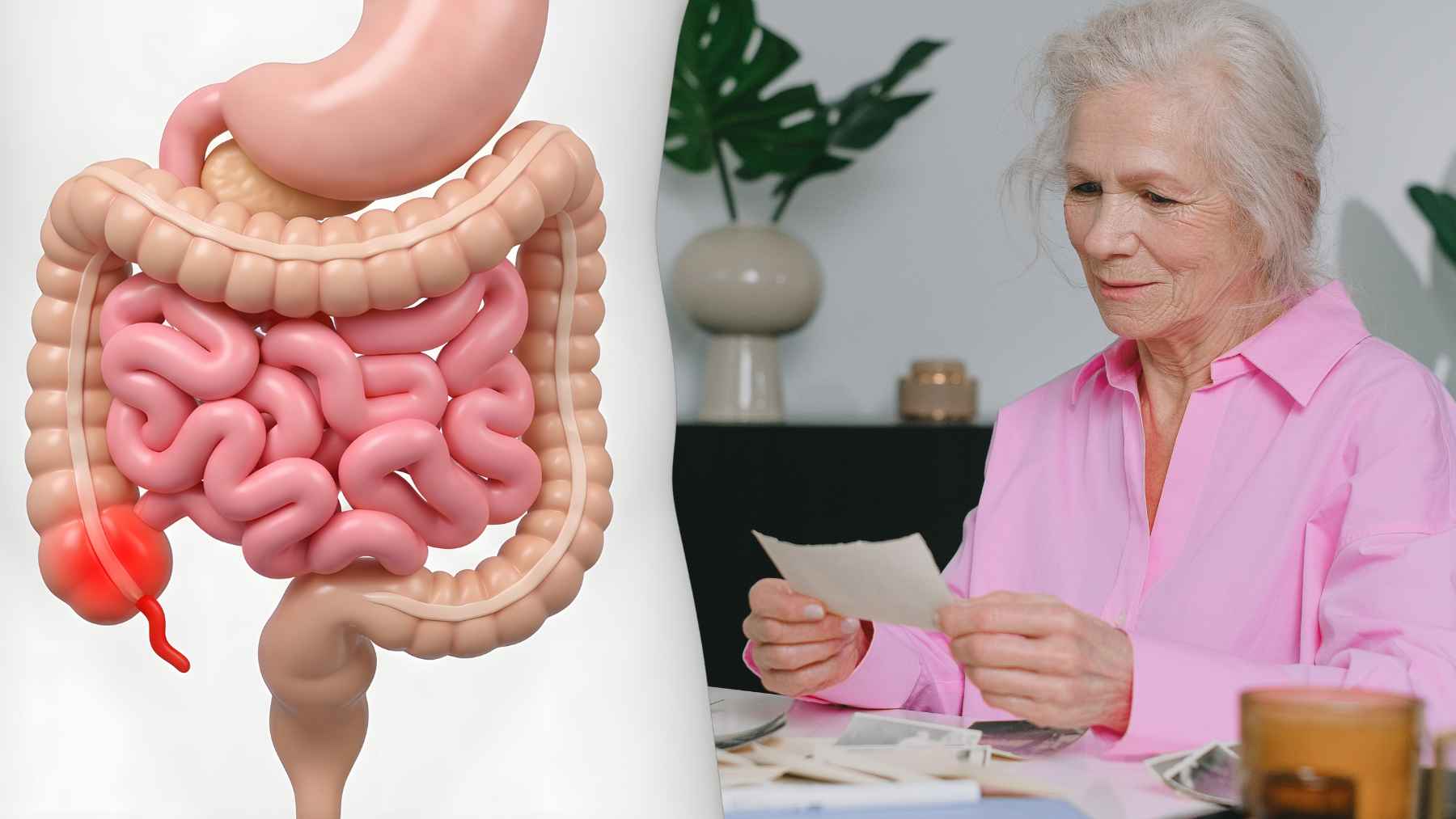
Now, growing evidence suggests part of the disease process may begin or be shaped much farther south, among the microbes living in the intestines.
The clearest experimental clue came when scientists transferred gut microbes from people with Alzheimer’s into healthy young rats.
The animals developed memory problems and produced fewer new nerve cells in a brain region essential for learning, even though they did not develop detectable amyloid plaques. This does not prove the disease starts in the human gut, but it makes the gut harder to dismiss as a bystander.
How the gut talks to the brain
How can bacteria in the belly affect a forgotten appointment or misplaced keys? The answer may involve the gut-brain axis, a communication network that uses the vagus nerve, immune signals, hormones, and chemicals released by microbes.
The microbiome is the community of microorganisms living in the digestive tract. When it becomes unbalanced, bacterial products may fuel inflammation in the bloodstream and affect the blood-brain barrier, a protective filter around the brain.
Helpful microbes also turn fiber into short-chain fatty acids, including butyrate, which can support the gut barrier and help regulate inflammation.
What the experiment found
The clinical arm included 64 people with Alzheimer’s and 69 cognitively healthy adults. For the animal test, researchers reduced the resident gut bacteria of 32 young rats with antibiotics, then gave half microbes from four Alzheimer’s donors and half microbes from four control donors.
The work was led by Yvonne Nolan of APC Microbiome Ireland at University College Cork and conducted by Stefanie Grabrucker, with senior collaborators Sandrine Thuret of King’s College London and Annamaria Cattaneo of IRCCS Fatebenefratelli.
Nolan said, “We saw that animals with gut bacteria from people with Alzheimer’s produced fewer new nerve cells and had impaired memory.”
Rats given Alzheimer-associated microbes performed worse at recognizing objects and remembering locations. They also had fewer surviving newborn neurons in the hippocampus, a memory center, and those cells developed less complex branches. Human neural precursor cells exposed to serum from Alzheimer’s patients also showed reduced growth and maturation in laboratory dishes.
Why the missing plaques matter
Neurogenesis is the production of new nerve cells. In the hippocampus, it helps the brain separate similar experiences, such as remembering whether the car is parked on level three or level four of a garage.
The rats showed disrupted neurogenesis and memory without detectable amyloid plaques in the hippocampus or cortex. That suggests gut-related signals may affect memory through pathways that appear before, or work alongside, the better-known protein deposits.
This does not erase decades of brain research. The National Institute on Aging still identifies beta-amyloid plaques and tau tangles as defining features, while also describing inflammation, blood vessel damage, and metabolic problems as parts of the disease process.
Human evidence is growing
A 2025 human study from the Wisconsin Alzheimer’s Disease Research Center and the Alzheimer Gut Microbiome Project Consortium found that microbial composition and function differed between people with Alzheimer’s dementia and cognitively unimpaired adults.
Several microbial features tracked with spinal fluid markers of amyloid, tau, inflammation, and nerve injury, and broad differences were reproduced in a separate group.
A January 2026 review from George Washington University screened 4,751 records and examined nearly 60 human studies. Gut imbalance was often reported in mild cognitive impairment and Alzheimer’s, but diet and probiotic results were inconsistent. Limited follow-up also made cause and effect difficult to untangle.
That is the key gap. Human research mostly shows correlation, while the strongest causal evidence comes from animals living under tightly controlled conditions.
What the results do not prove
The experiment does not mean Alzheimer’s is contagious, and it did not show that the disease spreads through ordinary contact. The rats first had much of their normal microbiome reduced with antibiotics, then received prepared fecal material in a laboratory.
Human studies also face reverse causation. Alzheimer’s can change a person’s diet, movement, sleep, medication use, and daily routine, and each factor can reshape gut bacteria. The disease may alter the microbiome even as the microbiome potentially influences the disease.
Genes, aging, and cardiovascular health remain important. The gut is more likely to be one piece of a complicated system than a single switch that turns Alzheimer’s on.
No proven gut treatment yet
Diet, exercise, probiotics, and fecal microbiota transplants are being studied, but none has been proven to prevent or cure Alzheimer’s. A varied, fiber-rich diet and regular activity support general health, yet they are not substitutes for medical care.
Federal health guidance says no vitamin or supplement has been proven to prevent Alzheimer’s in people. Anyone noticing persistent or worsening memory changes should speak with a doctor rather than rely on online protocols or untested products.
The hopeful part is not a miracle cure. It is a wider map of the disease that may reveal earlier warning signs and new targets beyond the brain.
The main study was published in the journal Brain.