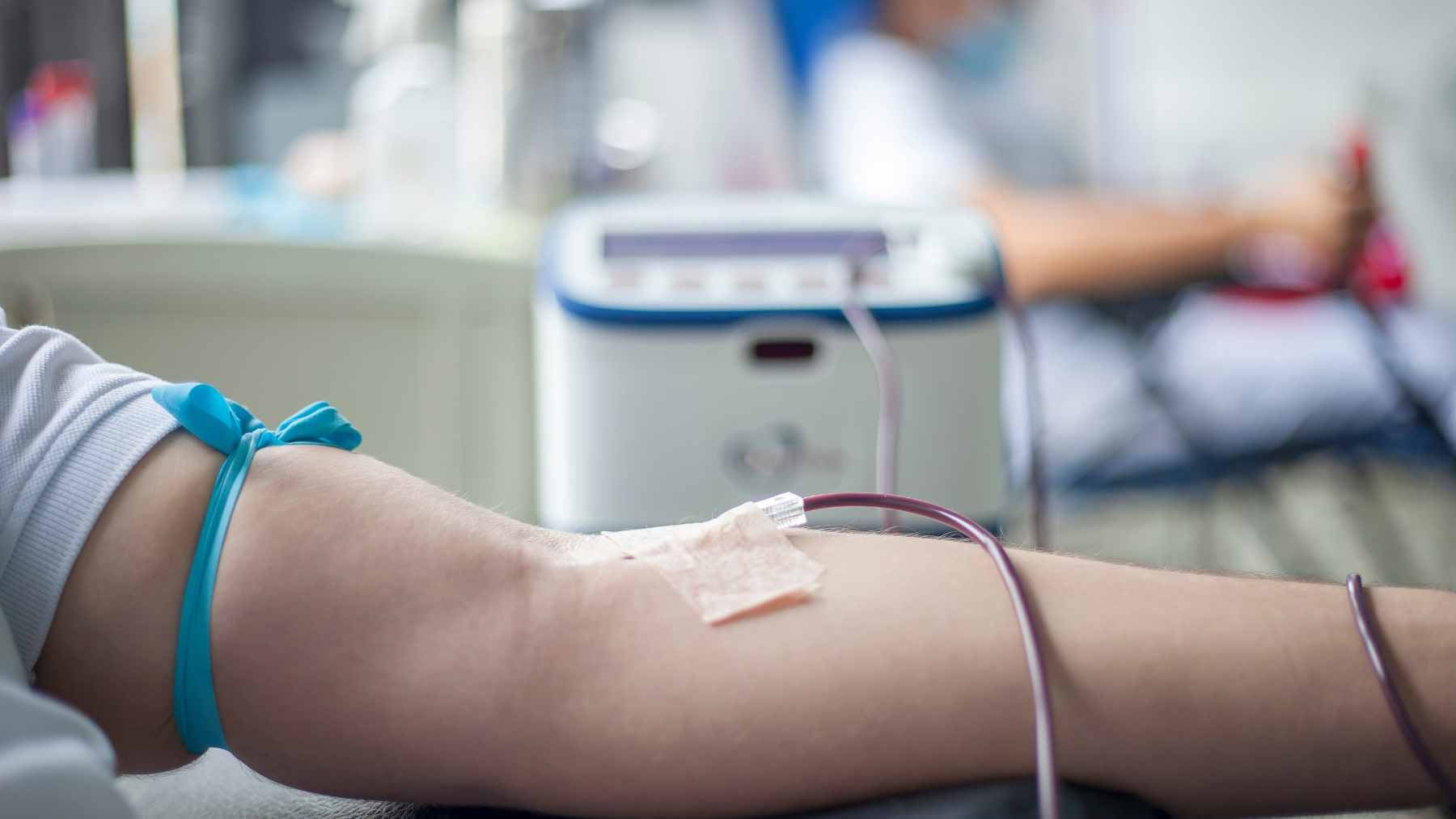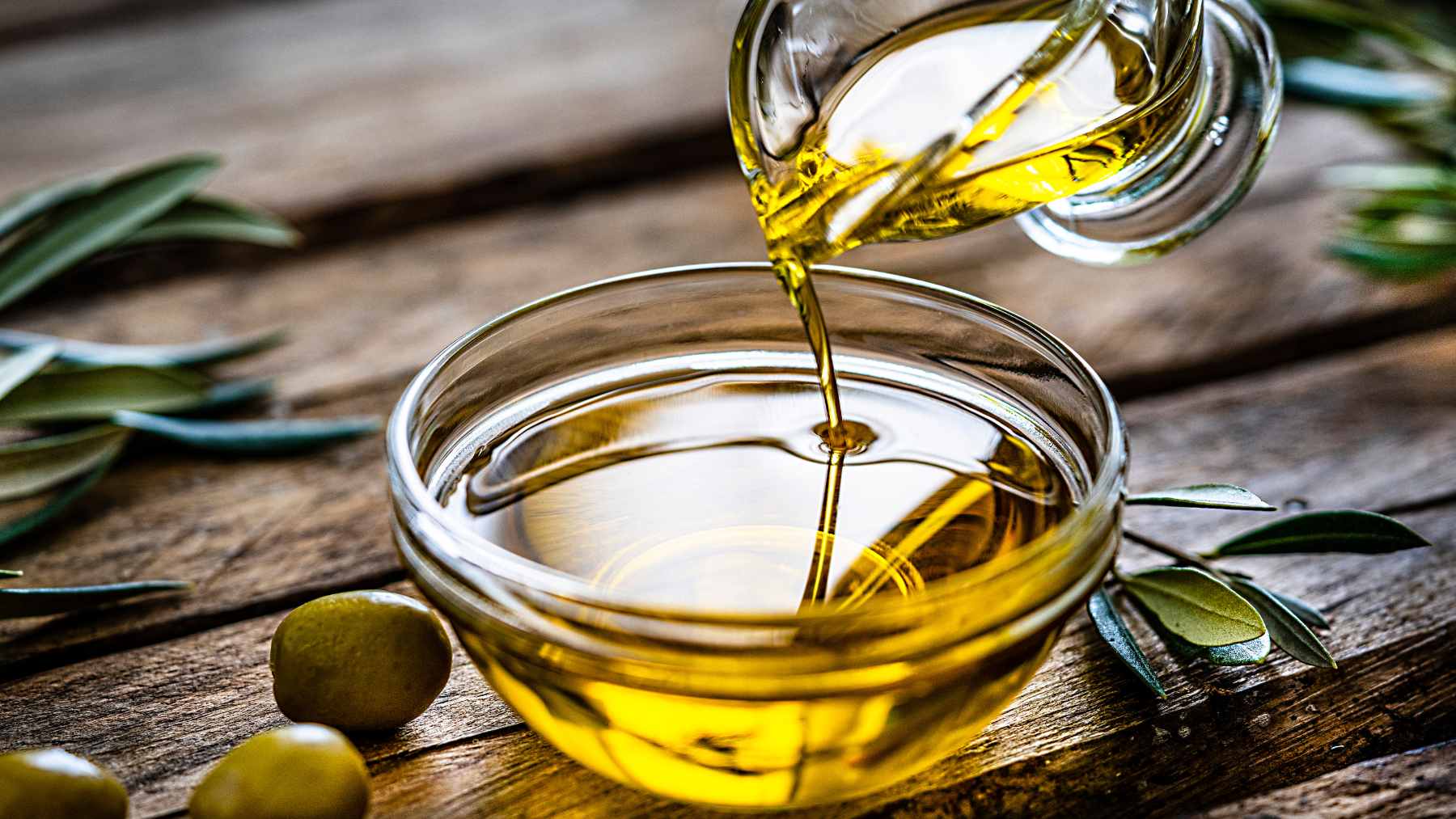
Ask what cooking fat belongs in a heart-conscious kitchen, and extra-virgin olive oil is likely to come up. It is flavorful, easy to use, and named in current heart-healthy eating guidance. Still, it is not medicine in a bottle.
The clearest evidence comes from the large PREDIMED trial in Spain. Among adults at high cardiovascular risk, a Mediterranean diet enriched with extra-virgin olive oil was linked to about a 31% lower relative risk of heart attack, stroke, or cardiovascular death than the control diet.
That result came from a whole eating pattern, not olive oil acting alone.
Why extra-virgin olive oil stands out
Extra-virgin olive oil is produced from olives using mechanical or other physical methods, without refining. It must also meet chemical and taste standards, so “extra virgin” is a quality grade rather than just a marketing phrase.
Its main fat is oleic acid, a monounsaturated fat. When unsaturated fats replace saturated and trans fats, they can help lower LDL cholesterol, often called “bad” cholesterol, and reduce heart disease risk. That replacement is the key part.
Extra-virgin olive oil also contains polyphenols, plant compounds with antioxidant activity. Human trials suggest these compounds can reduce some markers of oxidative stress, a process that damages cells over time. The findings are promising, but they do not turn olive oil into a treatment.

What the PREDIMED trial actually found
Ramón Estruch of the University of Barcelona helped lead the multicenter study, which enrolled 7,447 adults at high cardiovascular risk. Participants were assigned to a Mediterranean diet with extra-virgin olive oil, the same style of diet with nuts, or control advice to reduce fat.
After a median follow-up of nearly five years, 288 major cardiovascular events had occurred. The extra-virgin olive oil group had about a 31% lower relative risk than the control group, while the nut group had about a 28% lower risk.
The numbers are meaningful, but they do not mean one food cut every person’s risk by exactly the same amount.
The original 2013 report was retracted and republished in 2018 after problems with random assignment were identified at some study sites.
The reanalysis still found fewer major cardiovascular events in the Mediterranean diet groups. That history does not erase the result, but it argues against turning one percentage into a guarantee.
Evidence beyond one Spanish trial
A later U.S. study led by Marta Guasch-Ferré at the Harvard T.H. Chan School of Public Health followed more than 92,000 adults for 28 years.
People who consumed more than half a tablespoon of olive oil a day had a 19% lower risk of cardiovascular death than those who rarely or never used it. Because the study was observational, it found an association rather than proving cause and effect.
The U.S. Food and Drug Administration takes a similarly careful position. It calls the evidence for high-oleic oils “supportive but not conclusive” and says about one-and-a-half tablespoons a day may help when those oils replace fats higher in saturated fat without adding calories. That wording matters.
How to use olive oil at home
In practical terms, use extra-virgin olive oil where butter, lard, or a heavy dressing might otherwise go. Drizzle it over tomatoes, beans, grilled vegetables, or whole-grain toast. Whisk it with vinegar and herbs for a quick salad dressing.
It also works for sautéing, roasting, and many everyday cooking jobs. No one needs to drink it by the glass. A measured pour is enough to add flavor while making a useful fat swap.
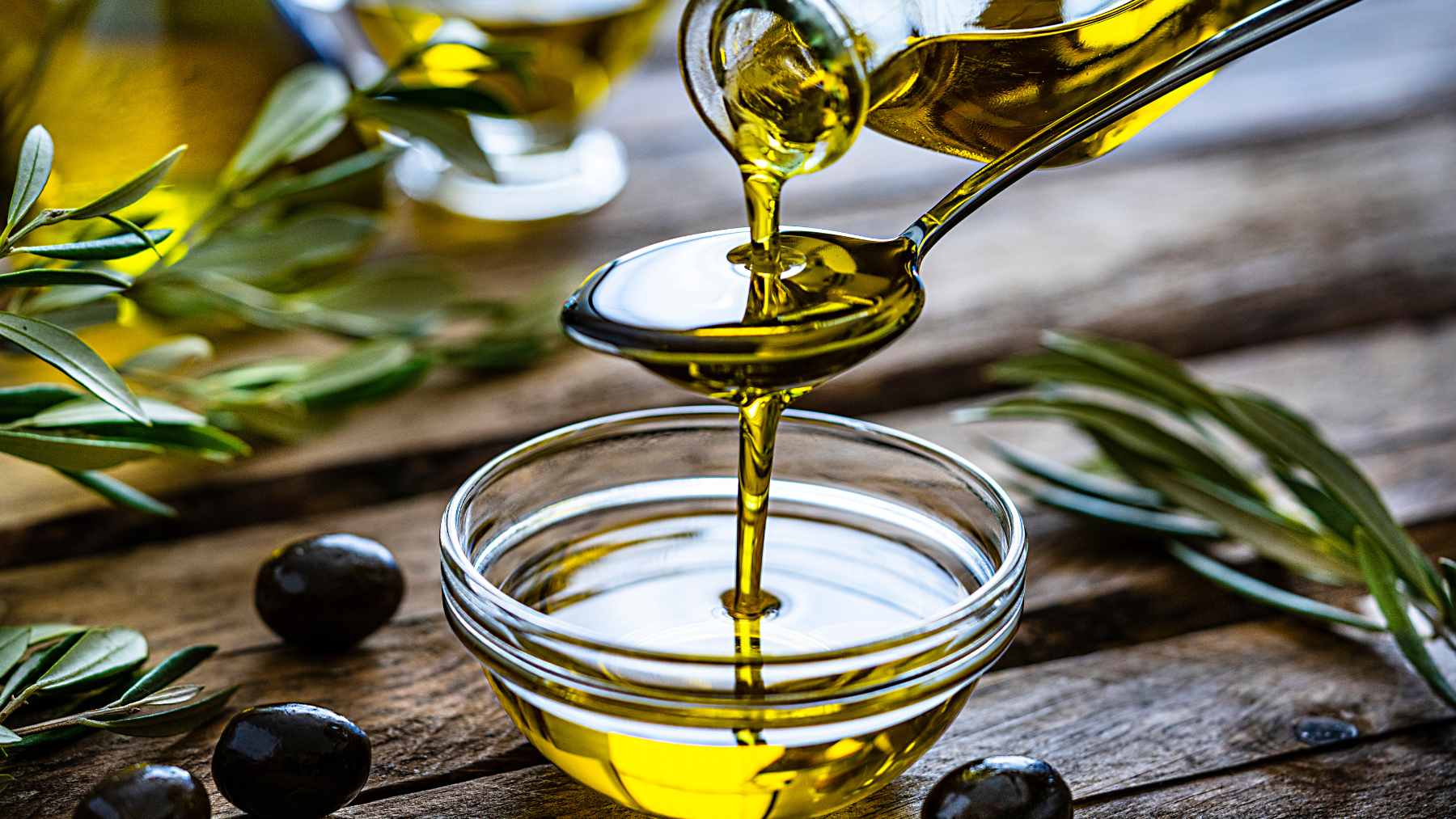
Simply pouring olive oil on top of an unchanged diet can miss the point. Think replacement, not addition. That small distinction can matter as much as the bottle you buy.
How to choose and store it
Look for a bottle labeled extra virgin. In the United States, that grade is tied to standards for flavor, odor, acidity, and other quality measures. One flashy phrase on the front label cannot tell the whole story.
Choose packaging that limits exposure to light, then keep the cap tightly closed. Store the bottle in a cool, dark cabinet away from the stove or a sunny window because heat, air, and light can reduce quality.
The spot beside a hot burner may be convenient, but it is a bad address for a delicate oil.
Heart health is bigger than one bottle
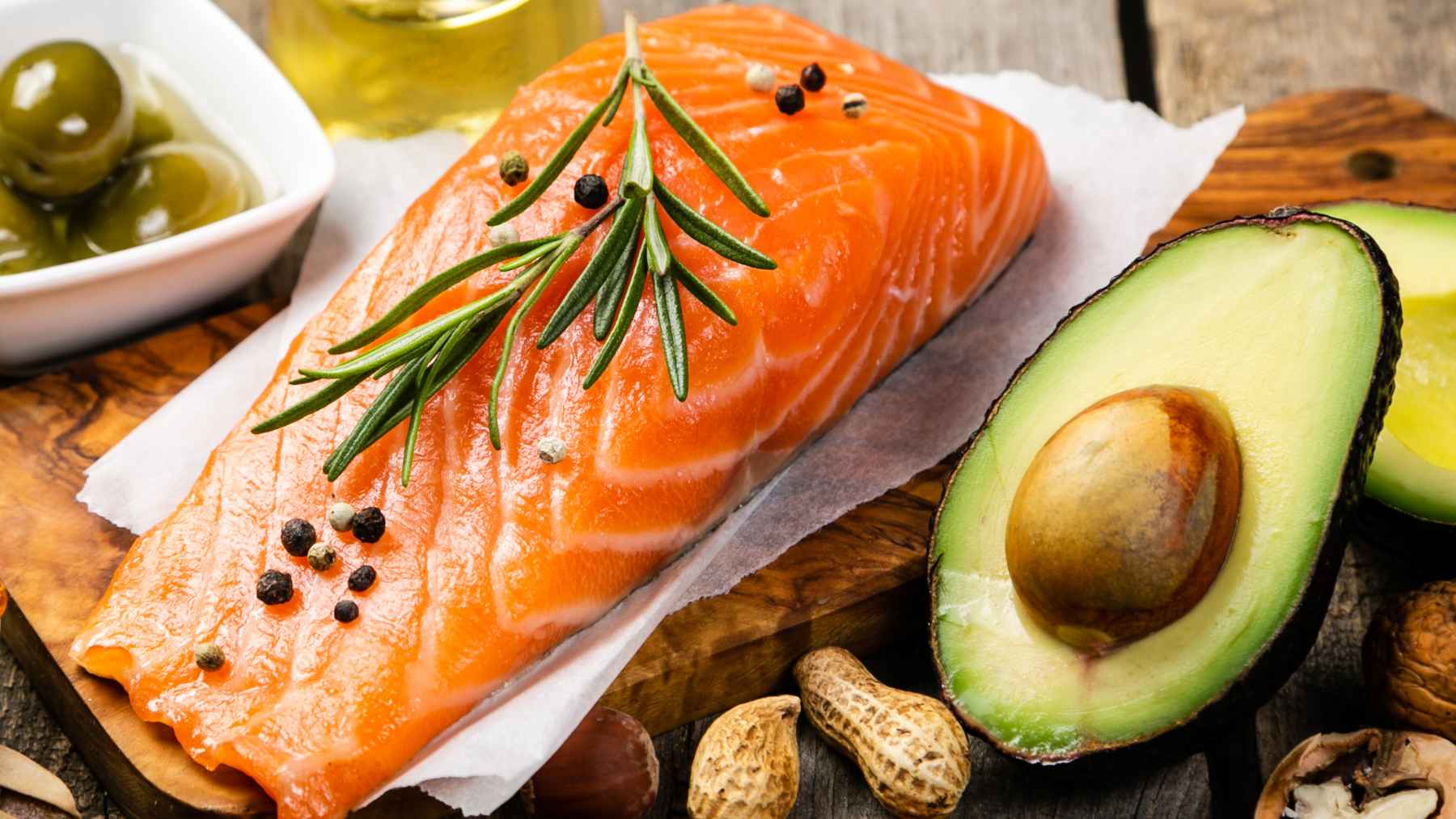
The American Heart Association recommends a broader pattern built around fruits, vegetables, whole grains, beans, nuts, fish, and healthier liquid plant oils. Regular activity, adequate sleep, no tobacco, and control of blood pressure, cholesterol, and blood sugar remain just as important.
At the end of the day, extra-virgin olive oil is a useful kitchen tool, not a protective shield. It can make heart-smart meals tastier and easier, especially when it pushes butter and other saturated fats off the plate.
The main PREDIMED study was published in The New England Journal of Medicine.