Can a change at the dinner table calm the red, scaly patches of psoriasis? Not by itself. Psoriasis is a chronic immune-driven disease, and no food can replace medical treatment, but omega-3 fats are drawing attention because they may influence inflammation and the skin barrier.
That promise comes with an important reality check. A 2026 systematic review found encouraging results across a small group of studies, yet the evidence was uneven and too limited to treat fish oil as a proven therapy. In any case, omega-3-rich foods may support a broader care plan, while capsules deserve more caution.
Why omega-3s stand out
Psoriasis develops when an overactive immune system speeds up skin-cell growth. Cells then pile up into thick, inflamed plaques that may itch, crack, or hurt, so this is far more than a cosmetic problem.
Omega-3s are a family of fats that the body needs but cannot make in sufficient amounts. EPA and DHA come mainly from fatty fish, while ALA is found in flaxseed, chia seeds, walnuts, and some plant oils. The body converts only a limited amount of ALA into EPA and DHA.
What recent research found
In a 2026 systematic review, Odylon Kleber Pereira de Souza and colleagues searched six databases and screened 8,570 records.
Only nine studies met their criteria, and most reported improvements in clinical measures such as the Psoriasis Area and Severity Index, a score doctors use to track how much skin is affected and how severe the plaques are. Study quality, however, ranged from low to high risk of bias.
A separate 2025 genetic study by Lei Yao and colleagues at Jilin University analyzed data from 18,566 people with psoriasis and 29,914 controls.
After accounting for omega-6 fats, genetically predicted higher omega-3 levels were linked to about 14% lower estimated odds of psoriasis, with DHA showing the strongest signal. The researchers still wrote that “further validation is needed.”

Nuts and seeds are natural sources of omega-3 fats that researchers are studying for their potential role in supporting people with psoriasis.
Genetics is not a prescription
That genetic method is called Mendelian randomization. It uses naturally inherited differences as a kind of long-running experiment, which can reduce some lifestyle-related confusion. It cannot show, however, that buying fish-oil capsules will prevent psoriasis or clear an existing flare.
A 2019 review found 13 randomized trials involving 625 participants, yet only three studies supplied usable data for the pooled severity analysis. That analysis found no significant reduction in psoriasis scores from fish oil. The gap matters because genes, blood-fat levels, food, and supplements are not interchangeable.
Food is the safer starting point
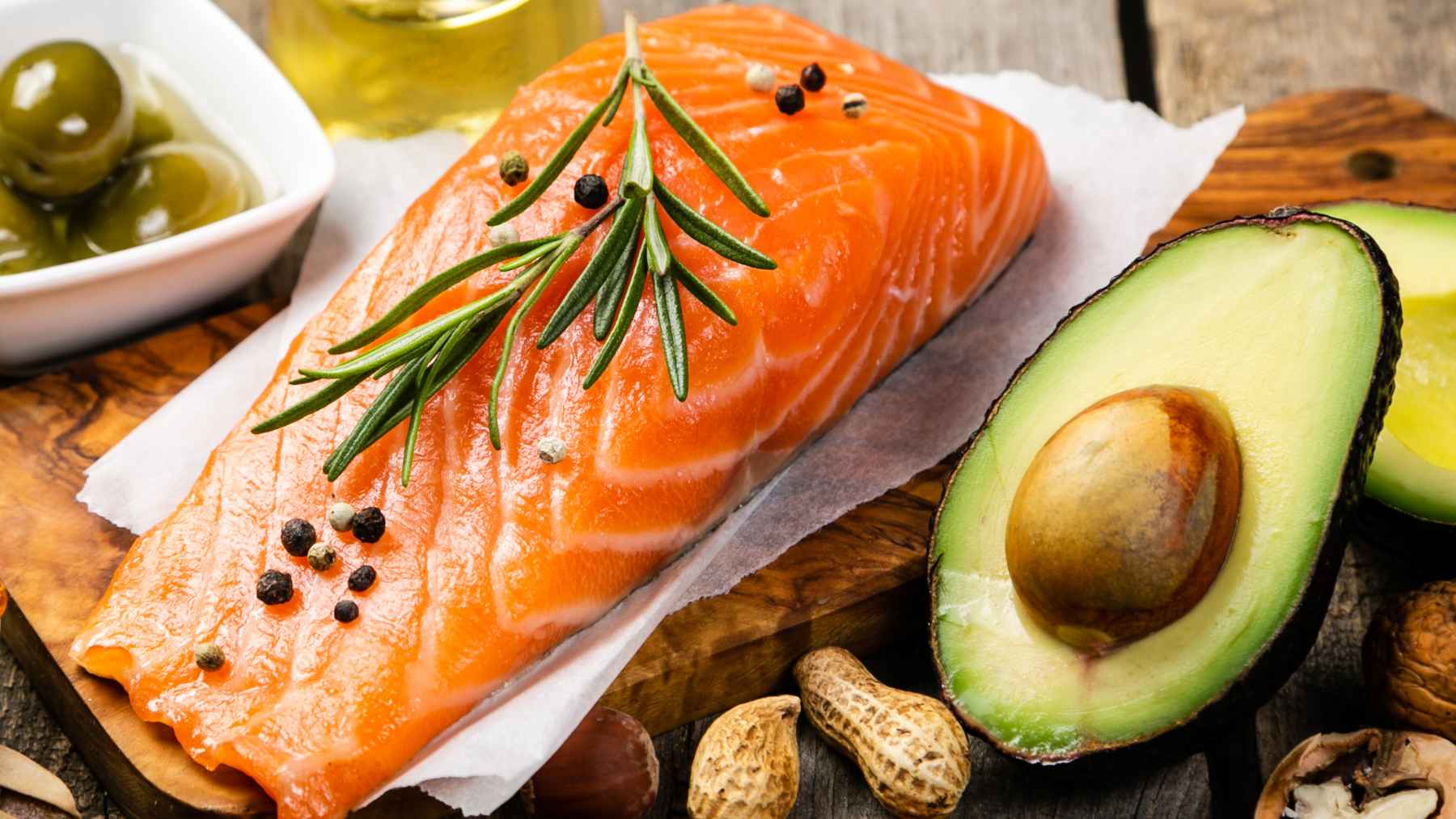
For most people, the practical first step is food rather than a high-dose supplement. Salmon, sardines, mackerel, and herring provide EPA and DHA, and the National Psoriasis Foundation advises eating fish at least twice a week as part of a heart-healthy pattern. That can be as simple as two fish dinners, not a complicated meal plan.
Plant foods help, too. A spoonful of ground flaxseed or chia can go into oatmeal or yogurt, while a small handful of walnuts makes an easy snack. These foods supply ALA and other nutrients without turning breakfast into a chemistry lesson.
Supplements need medical guidance
Omega-3 capsules should not replace prescription creams, light therapy, or medicines that control the immune system. The American Academy of Dermatology psoriasis guideline does not recommend fish oil as a treatment because the available evidence is conflicting or insufficient.
Anyone considering a concentrated dose should first speak with a doctor, especially when taking blood thinners or managing another chronic condition.
Fish oil may affect clotting, and the Food and Drug Administration does not approve dietary supplements for safety and effectiveness before they reach store shelves. ‘Food first’ is the more cautious place to begin.
The whole diet matters
Focusing on one nutrient can miss the bigger picture. A Mediterranean-style eating pattern builds meals around vegetables, fruit, beans, whole grains, nuts, olive oil, and fish while limiting heavily processed foods.
Early psoriasis research is interesting, but this way of eating should still sit beside standard treatment, not take its place.
Weight, alcohol, and smoking can matter as well. In one trial summarized by dermatology experts, 66% of people following a low-calorie plan achieved at least a 75% reduction in psoriasis severity after 24 weeks, compared with 29% of those who did not diet.
Small, lasting changes are more useful than a harsh “psoriasis cleanse” that is impossible to maintain.
When skin needs more than diet
Persistent plaques, bleeding skin, or symptoms that keep worsening deserve a dermatologist’s attention. New joint pain, swelling, or morning stiffness also matters because psoriasis can be linked to psoriatic arthritis, which may damage joints when it goes untreated.
So, can omega-3s help? Possibly, especially as part of a balanced diet and a complete treatment plan. The evidence supports measured optimism, not a miracle claim.
The main systematic review was published in Atención Primaria.