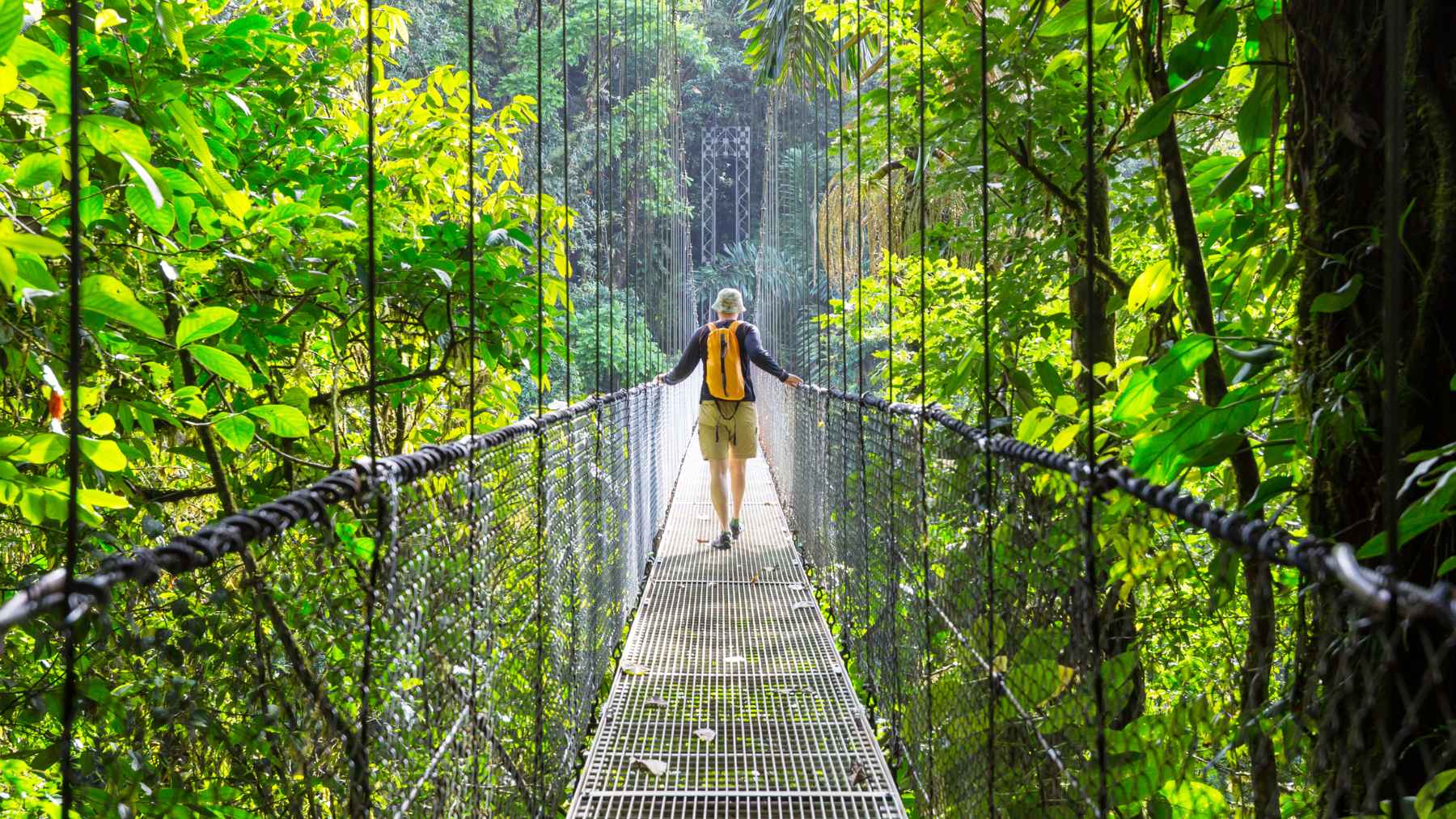
A walk through a park can be more than a break from screens, traffic, and everyday noise.
For some neurodivergent people, natural spaces may ease sensory pressure, support attention, and create room for emotional regulation, according to research and first-person accounts gathered in a July 3, 2026 report by journalist Jǒzepa Benčina Campos.
Nature is not a universal treatment, however, and it does not affect everyone in the same way. Bird calls, insects, damp ground, crowds, or an unexpected trail change can be soothing for one person and overwhelming for another, which is why choice, preparation, and accessible design matter.
What neurodivergence means
Neurodivergence is an umbrella term for ways of thinking, learning, communicating, and processing the world that differ from dominant social expectations. Autism, ADHD, dyslexia, and Tourette syndrome are commonly discussed within this framework, but the term is not a medical diagnosis by itself.
Sensory processing can be a major part of that experience. Some people are highly sensitive to fluorescent lights, background noise, touch, or smell, while others seek stronger sensory input, and many have a mixed profile that changes with stress or fatigue.
Speech-language pathologist Constanza Mella said the focus should not be on treating these differences as personal failures. Instead, the key question is whether the environment fits the person and whether useful support is available.
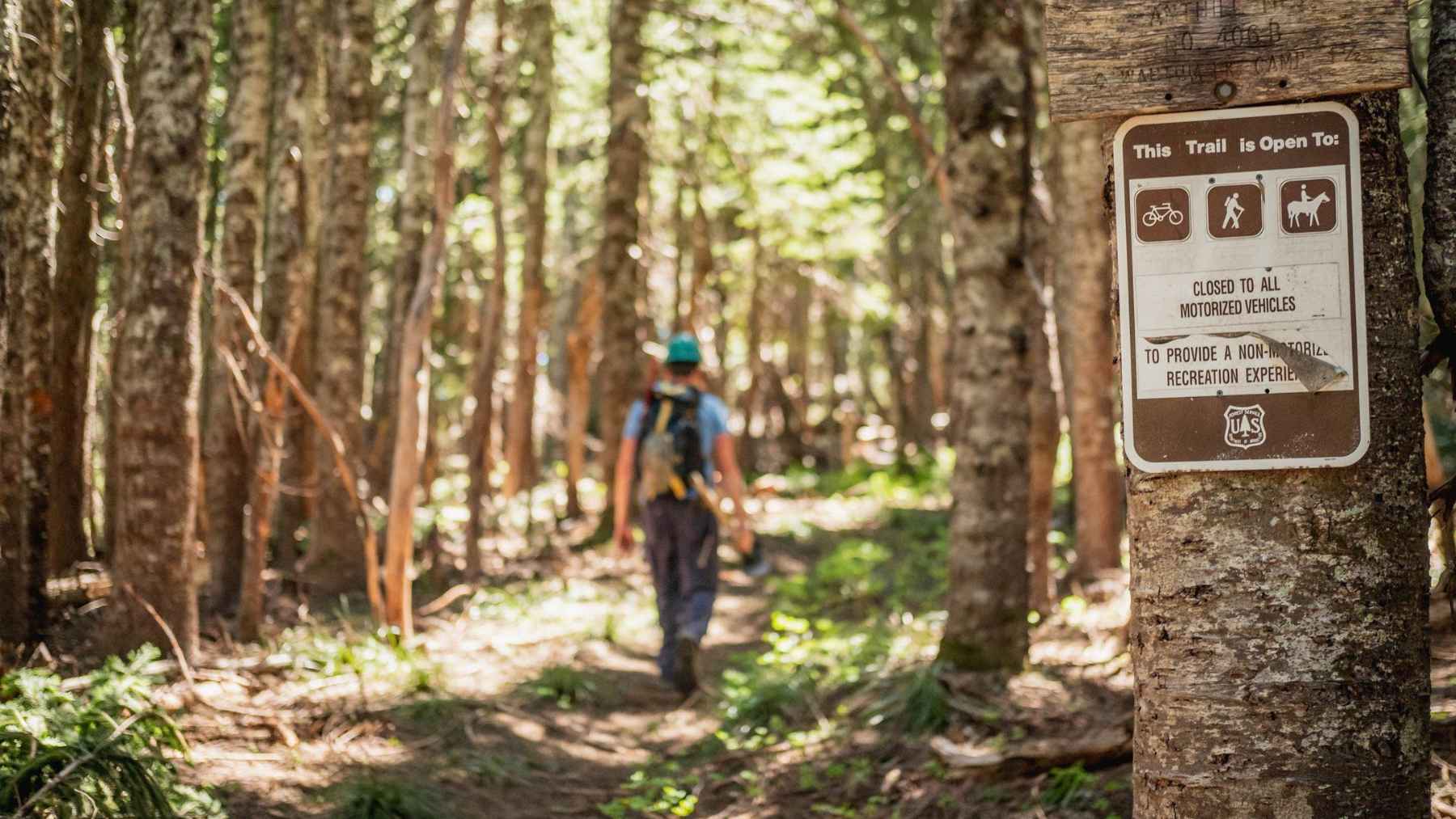
A quiet forest trail offers a calming natural setting. Research suggests that accessible outdoor spaces may help some neurodivergent people improve focus, reduce stress, and support emotional regulation.
How nature may restore attention
One explanation is called attention restoration theory. The idea is simple: concentrating on schoolwork, conversations, or a busy commute uses effort, while moving water, rustling leaves, and passing clouds can hold attention more gently and give that effortful system a break.
A small 2009 study of 17 children with ADHD tested this idea after 20-minute walks in a park, a downtown area, and a residential neighborhood.
Andrea Faber Taylor and Frances E. Kuo of the University of Illinois found that concentration scores were better after the park walk, although the limited sample means the result should not be treated as a cure or a replacement for clinical care.
The effect can also show up in ordinary family life. María Jesús Aguirre described how her six-year-old autistic son could spend hours watching insects on a palm tree, then explain how they interacted, turning curiosity into focus, learning, and participation.
Calm, connection, and autonomy
A study in Autism in Adulthood surveyed 127 autistic adults across the United Kingdom. Samantha Friedman and a University of Cambridge research team found that many participants used nature to escape stressful situations, connect with themselves or other people, and experience a setting that felt less judgmental. Not everyone reported benefits.
A related analysis of the same group, published in 2023, focused on the COVID-19 period. Some participants said nature gave them distance from crowded homes or unwanted social pressure, while others used it to maintain a sense of connection during isolation.
Children may benefit in different ways. A Forest School case study involving 25 autistic children reported opportunities for play, autonomy, and practical, motor, and social skill development, but it also recorded peer conflict and safety challenges. Routines and adult support mattered.
When the outdoors becomes too much
What happens when the birds are too loud, the grass feels unbearable, or insects make the whole trip stressful?
A May 2026 preprint surveyed 113 autistic adults and found that many described nature as restorative, but people with stronger sensory sensitivities or sensory-seeking patterns were more likely to experience natural spaces as disabling.
The study has not yet completed peer review, so its findings remain preliminary. Still, its central warning matches the lived experiences in the Chilean report. Nature can support regulation, but it can also create sensory overload.
Past experiences matter, too. An overwhelming school excursion, pressure to join a group activity, or a lack of clear information can turn a supposedly relaxing outing into a source of anxiety before it even begins.
Small changes can open the door
Inclusive access does not always require a major construction project. Clear information before a visit, simple signs, predictable routes, quiet areas, trained staff, and the freedom to leave an activity can make parks, gardens, beaches, and outdoor programs easier to use.
Child psychologist María de los Ángeles Scheel Martínez put it plainly, saying that “small adjustments can make a huge difference.” At the end of the day, the most helpful natural space may not be the wildest one.
It is the place where a person can choose the pace, understand what will happen, and feel safe enough to explore.
Nature should not be sold as a one-size-fits-all remedy for neurodivergence. But when access is flexible and individual needs come first, a park bench, garden path, shoreline, or patch of shade may become more than scenery. It can become part of a person’s support system.
The original report was published by Ladera Sur.