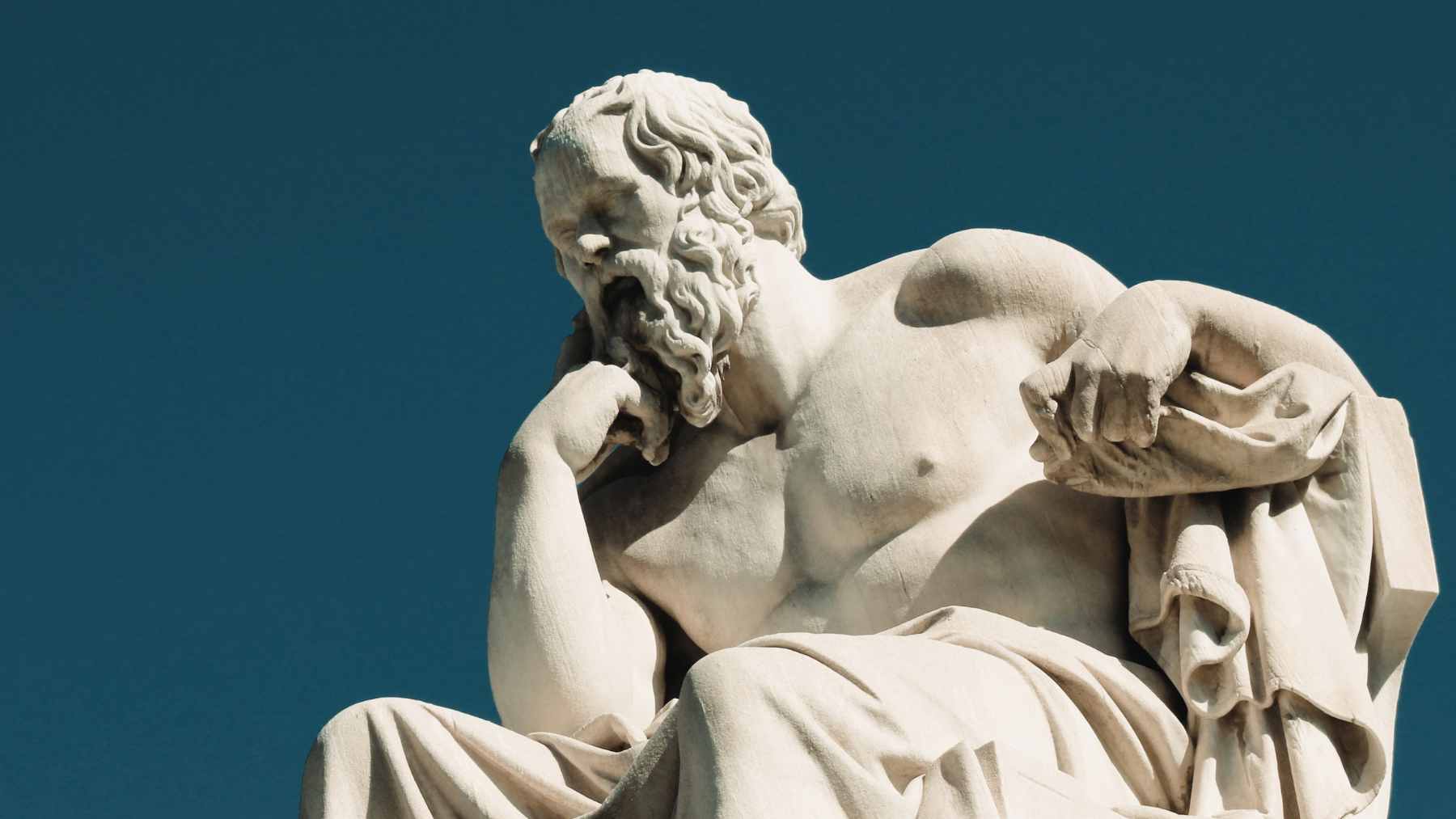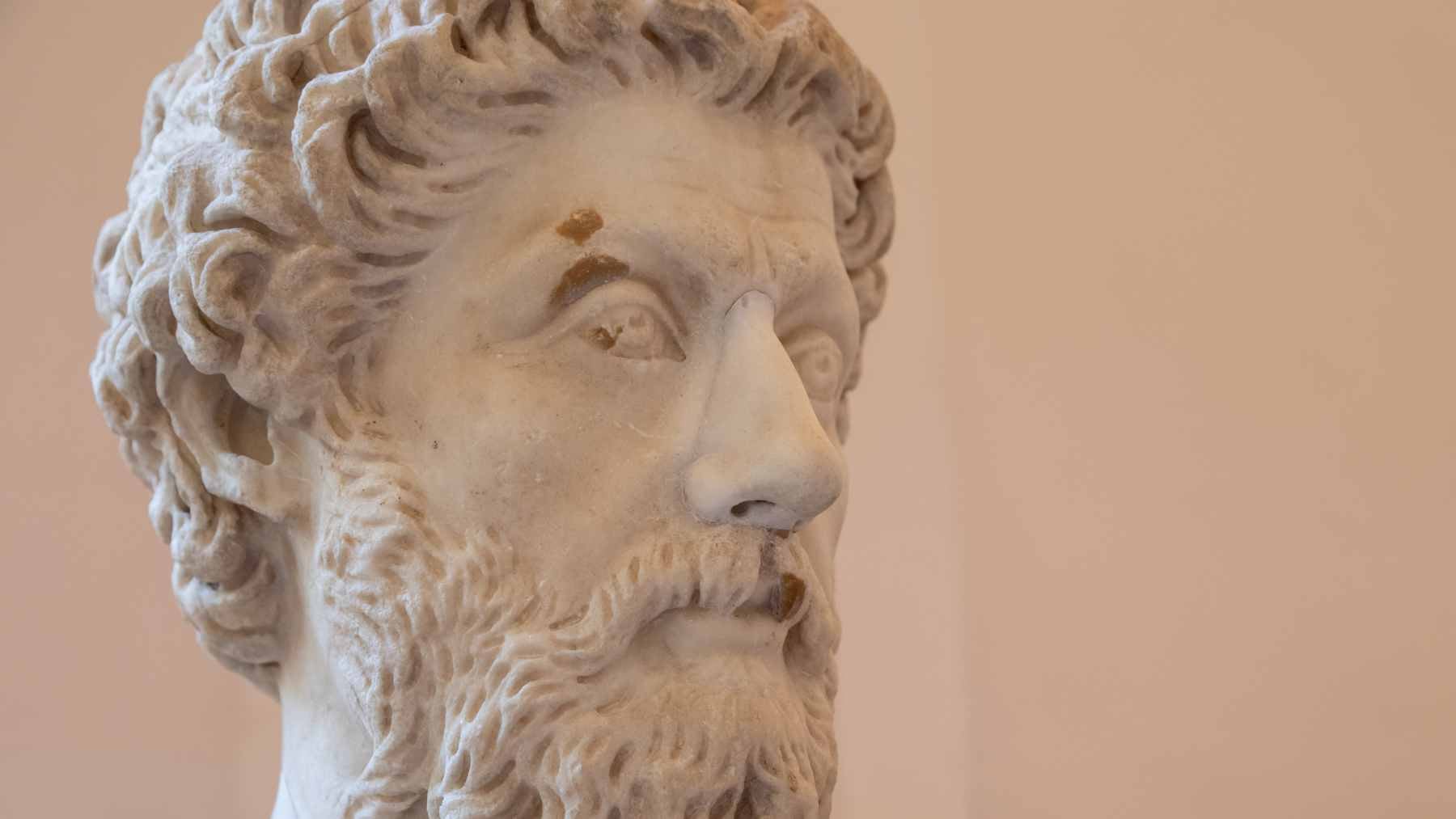
It is a familiar little battle. The alarm rings, the bed is warm, and the day already feels more daunting than it should. More than 1,800 years ago, Marcus Aurelius left behind a morning reminder in Meditations with the phrase, “I am rising to the work of a human being.”
That line is finding new life because it speaks to a modern problem without sounding modern at all. Stress, distraction, and endless pressure can make the day feel like something to survive, not something to shape.
The Stoic answer is simple but demanding, and it begins by deciding what kind of person you are trying to be.
A morning test
For the Roman emperor and Stoic philosopher, morning was not just a routine. It was a test of whether comfort would win before the day even started. Who has not wanted to stay under the blankets for a few more minutes?
In the same Book Five passage, he points to plants, birds, ants, spiders, and bees as examples of living things doing their work. The point is not that people should act like insects. It is that human beings also have a role, and that role is shaped by reason, responsibility, and cooperation.
What Stoicism really means
Stoicism is often misunderstood as cold endurance, as if the goal were to feel nothing. That is too simple. At its core, Stoicism asks people to train their judgment, practice virtue, and live according to reason rather than impulse.
The Stanford Encyclopedia of Philosophy describes the view behind Meditations as one in which virtue is good, vice is bad, and many things people chase or fear are not what ultimately make life better or worse.
That may sound strict, but in everyday terms it means your character matters more than a bad commute, a rude message, or someone else’s applause.
The control dilemma
One reason the old philosophy still feels useful is the idea often called the dichotomy of control. Put simply, some things are up to us and many are not. We cannot control traffic, the weather, other people’s moods, or the fact that deadlines arrive when we feel least ready.
But we can control the first response. We can choose whether irritation becomes cruelty, whether anxiety becomes avoidance, or whether a hard morning becomes an excuse to give less than we can. That is why the first victory of the day, in Stoic terms, happens in the mind before it happens on a calendar.
Death and urgency
The phrase memento mori is often translated as “remember you will die.” It sounds grim at first, but the Stoic use is not mainly about fear. It is about scale.
If life is temporary, then the smallest distractions lose some of their power. A petty insult, a wave of envy, or the pressure to impress strangers can look different when measured against a limited life. The question becomes simpler. What deserves my attention today?
Built for daily friction
The Internet Encyclopedia of Philosophy notes that Stoicism saw a revival in the early 21st century as a practical philosophy, often discussed alongside cognitive behavioral therapy and related approaches.
That does not mean an ancient notebook replaces medicine, counseling, or professional care. It means many readers are looking for habits they can put into practice, not just lofty ideas.
That is where the morning quote does its work. It does not promise a peaceful inbox, a quiet train, or a day without family stress. It offers a first step. Get up, remember your role, and try to act with justice before the noise takes over.
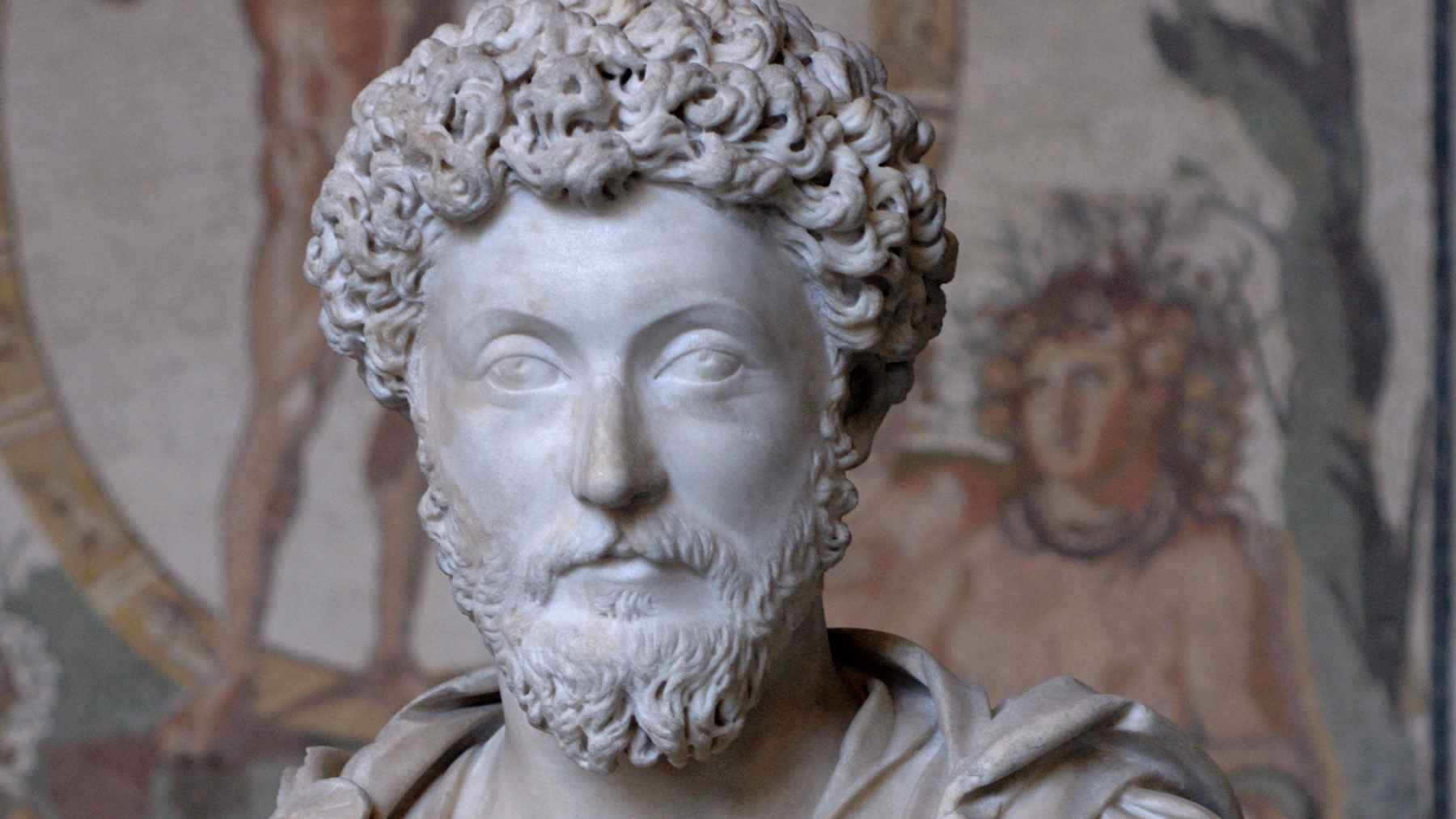
A marble bust of Roman emperor Marcus Aurelius, whose reflections in Meditations continue to inspire discipline, purpose, and resilience nearly two millennia later.
Work as service
For the emperor, the work of a human being was not just earning money or crossing tasks off a list. It was service, a shared effort with other people. He compares cooperation to body parts working together, like hands, feet, and teeth.
A society works only when people stop treating everyone else as an obstacle. At the office, at school, in traffic, or at home, the Stoic challenge is the same. Do your part without waiting for perfect conditions.
A simple wake-up practice
Under this view, waking up becomes more than shaking off sleep. It becomes a small ethical decision. Will the day start with complaint, or with purpose?
That does not make fatigue an imaginary ailment. It also does not erase burnout, illness, money pressure, or grief. But for the most part, the Stoic move is to separate what hurts from what still belongs to you. Your next honest action may still be available.
The lasting power of the quote is that it does not flatter the reader. At the end of the day, what the Stoic lesson is trying to do is turn the alarm clock into a reminder that comfort is not the highest good.
The main work behind this article is Book Five of Marcus Aurelius’ Meditations, translated by George Long and published online by The Internet Classics Archive.