For many people, asthma sounds like a lung problem and nothing more, but during a severe attack, the body is not the only thing fighting for air. Fear can take over too, and that fear may keep echoing after the wheezing settles.
In an explanatory text, psychiatrist Rubens de Campos Filho, a professor and researcher in the Department of Psychiatry at the Faculty of Medicine of Jundiaí, argues that asthma care should also pay attention to anxiety, panic, and daily life restrictions.
The reason is simple: when breathing feels unsafe, the mind may start scanning for danger all day.
Asthma starts in the airways
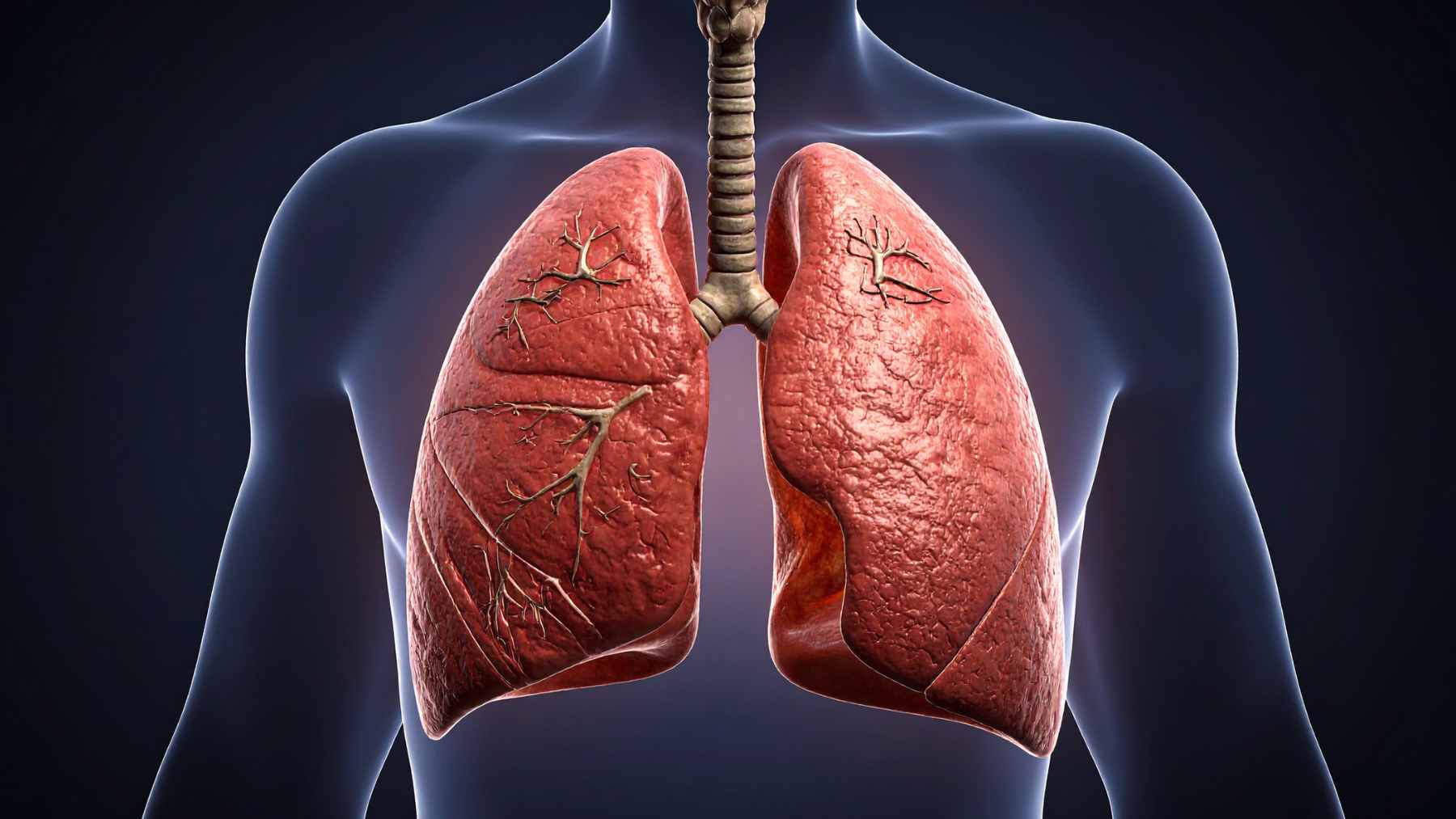
Asthma is a chronic condition that affects the airways, the tubes that move air in and out of the lungs. Basically, those airways can become swollen and narrowed, making it harder to breathe out. That can lead to coughing, wheezing, chest tightness, and shortness of breath.
The condition is common in the United States. The CDC reports that about 27.8 million people had current asthma in 2023, including about 4.8 million children, and more than 11.7 million people with asthma had at least one attack that year. That is not a small footnote in public health.
Fear can stay after the attack
Anyone who has felt air become suddenly scarce knows how quickly a normal day can turn frightening. The body is looking for oxygen, the chest feels tight, and the mind may jump straight to the worst possible outcome. What happens if it starts again at school, at work, or in traffic?
That fear can shape behavior. Some people begin avoiding exercise, travel, stairs, pets, social plans, or any place where they worry help may be too far away. Little by little, life can shrink around the next possible asthma attack.
Anxiety can mimic asthma
Anxiety is the body’s alarm system. It can be useful when there is real danger, but it can become exhausting when it stays switched on too often. The National Institute of Mental Health notes that panic symptoms can include difficulty breathing, chest pain, dizziness, trembling, and intense worry about future attacks.
Here is where things get complicated. Strong emotions and stress can change breathing patterns, and the Asthma and Allergy Foundation of America says those breathing changes can help trigger asthma symptoms.
In practical terms, anxiety may make breathing faster and shallower, which can make chest tightness feel even more alarming.
Asthma and panic also share some of the same warning signs. The American Lung Association notes that shortness of breath, chest tightness, and intense fear can overlap, and it also says around one in ten people with asthma also have panic disorder.
That overlap can make a person wonder whether they need a rescue inhaler, calming strategies, or urgent care.
The cycle is the problem
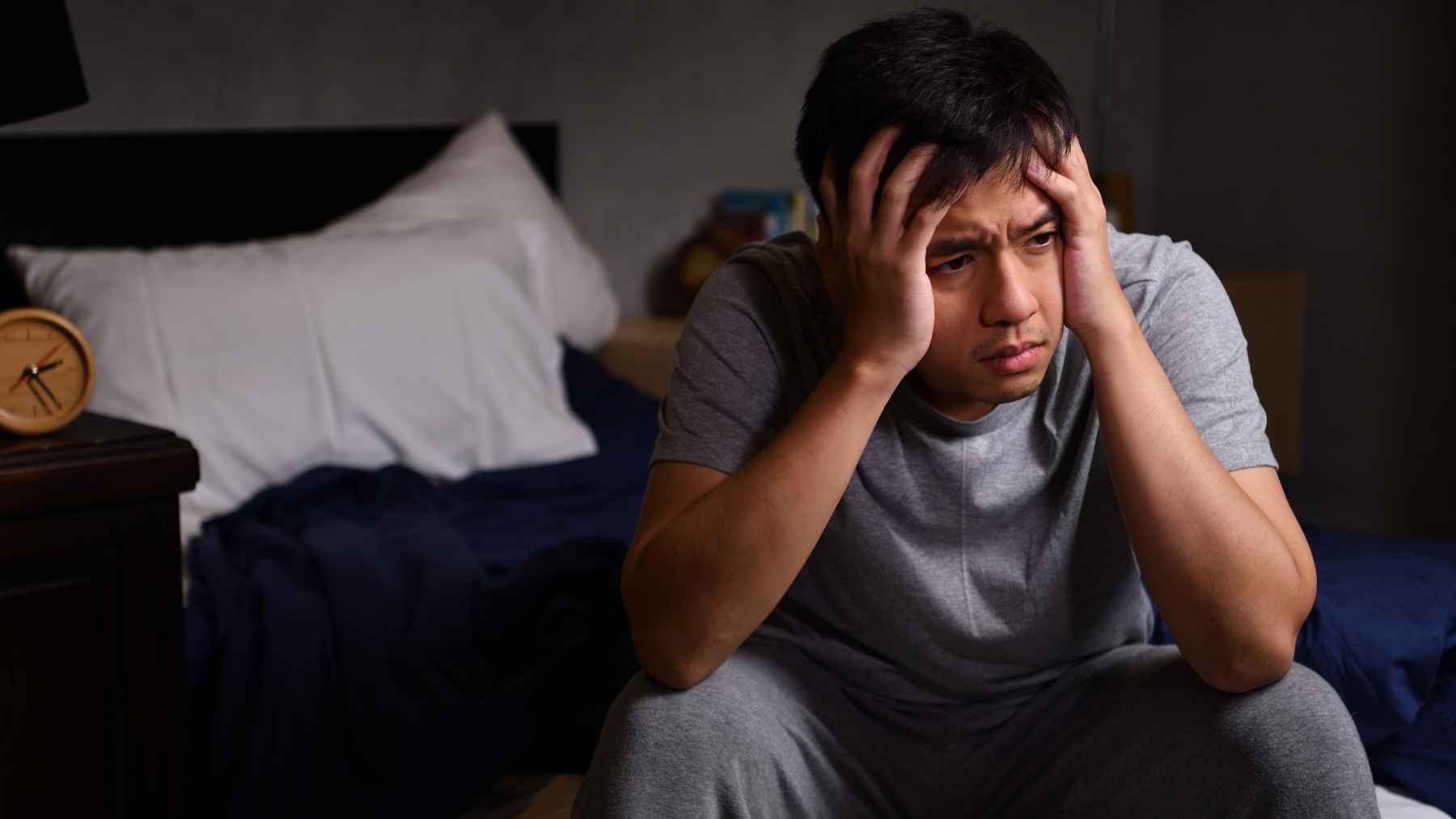
The link can become a loop. Asthma causes fear, fear fuels anxiety, anxiety makes every breath feel suspicious, and that extra attention can magnify the sense of breathlessness, then the fear rises again. It is a hard cycle to break from the inside.
A review by Gang Ye, David S. Baldwin, and Ruihua Hou, with affiliations including Suzhou Guangji Hospital, the University of Southampton, and the University of Cape Town, looked at 19 studies involving more than 106,000 participants.
The team found that about 32% of people with asthma had anxiety symptoms, while about 24% had an anxiety disorder. The rates were higher than among people without asthma.
Treatment needs lungs and mind
This does not mean asthma is “just anxiety.” Asthma is a real inflammatory lung disease, and attacks can be dangerous. The safer message is more balanced: the lungs need care, and so does the nervous system that learns to fear the next flare.
Regular medical follow-up, prescribed medicines, trigger control, and an asthma action plan remain central. CDC guidance stresses that asthma triggers vary from person to person, so knowing and avoiding them matters.
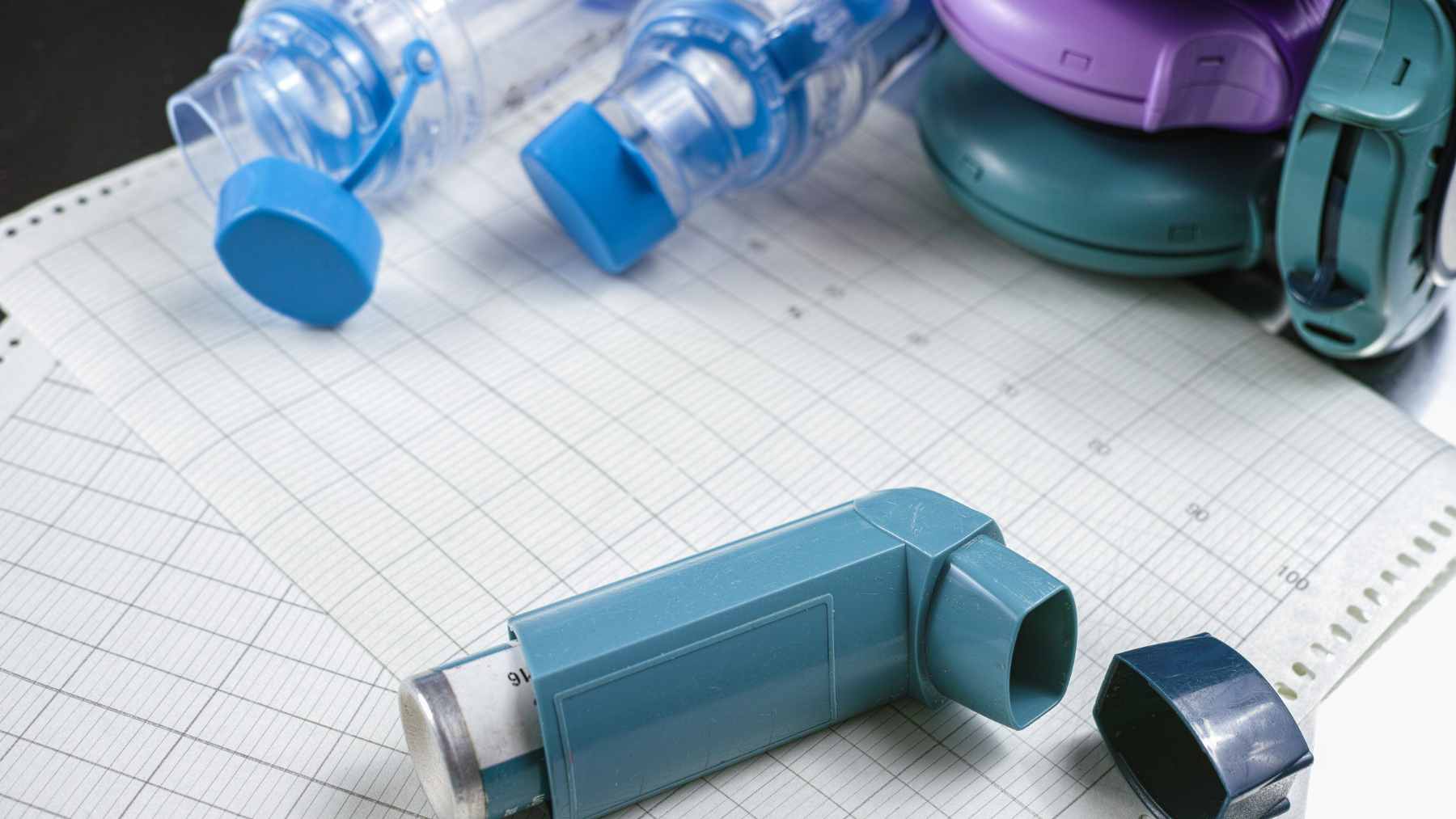
For some patients, a peak flow meter can also help show whether airflow is dropping or staying in a safer range.
Mental health care can support that plan instead of replacing it. Psychotherapy, relaxation training, guided physical activity, and better sleep habits may help lower anxiety and make symptoms feel less overwhelming.
A review in npj Primary Care Respiratory Medicine also says people with moderate-to-severe or hard-to-control asthma should be assessed for depression, panic, and anxiety.
What patients can watch for
A simple symptom record can help. Write down what was happening before the breathing trouble started, how it felt, whether coughing or wheezing appeared, and what helped. Over time, patterns may stand out that are hard to notice in the middle of panic.
The key is not to dismiss symptoms. Severe breathing trouble, blue or gray lips or nails, trouble walking or talking, or symptoms that do not improve after rescue medication require emergency help. But for many people, learning the difference between an asthma flare and an anxiety surge may bring back a sense of control.
The main review study has been published in Psychological Medicine by Cambridge University Press.