Protein has become the macro everyone talks about, but the easiest upgrades may already be sitting in the refrigerator or pantry. Instead of turning every breakfast into a shake, dietitians are pointing to ordinary foods such as bone broth, beans, Greek yogurt, lean meats, seeds, edamame, and cottage cheese.
The idea is simple. Protein is a macronutrient, one of the major nutrients the body uses for energy and maintenance, and it helps the body build and repair tissues.
More is not always smarter, though, and quality, variety, and the rest of the plate still matter. Harvard’s Nutrition Source notes that protein is essential, but not all protein sources are the same.
Whole foods come first
Before scooping powder into coffee or buying another tub of supplements, it is worth looking at the meals you already eat. A rice bowl, soup, salad, wrap, or breakfast oats can often be turned into a higher-protein meal with one small change.
That matters because daily protein needs are not one-size-fits-all. The National Institutes of Health’s Office of Dietary Supplements says nutrient recommendations vary by age and sex, and its tools are based on Dietary Reference Intakes from the National Academies.
Bone broth can help
Bone broth is one of the simplest swaps because it slides into meals without changing much. Abigail Collen, a registered dietitian and outpatient clinical nutrition coordinator at Mount Sinai, says the amount of protein depends on how the broth is made, how long it cooks, and where it comes from.
It can provide about 2 to 12 grams of protein per cup, according to the expert guidance provided for this article. Amy Shapiro, a registered dietitian and founder of Real Nutrition, recommends cooking with broth or drinking a cup on the side as an easy boost.
Lean meats keep it simple
For people who eat animal products, lean protein is still the most direct route. Chicken, turkey, and lean beef can turn a quesadilla, toast, wrap, or bowl into something more filling without making dinner feel like a nutrition project.
The key is balance. Lean cuts can bring protein without loading the meal with too much saturated fat, while vegetables, grains, and beans help round out the plate. At the end of the day, the goal is not a giant steak at every meal, but steady protein in meals people actually want to eat.
Plants can do more work
What about people who eat mostly plant-based meals? Edamame, nutritional yeast, pumpkin seeds, sunflower seeds, and hemp seeds can all help. They are small add-ons, but they can quietly change the math of a salad, grain bowl, soup, or snack.
This is also where “complete protein” comes in. A complete protein has all nine essential amino acids, the building blocks the body cannot make on its own. Cleveland Clinic explains that many plant foods can work together over the day to cover those needs, so variety matters more than perfection.
Cheese and yogurt add a lot
Cottage cheese is having a moment for a reason. Collen points to it as an easy protein-rich addition to savory dishes such as pasta, rice, and vegetable bowls, with about 12 grams of protein per serving in the source guidance.
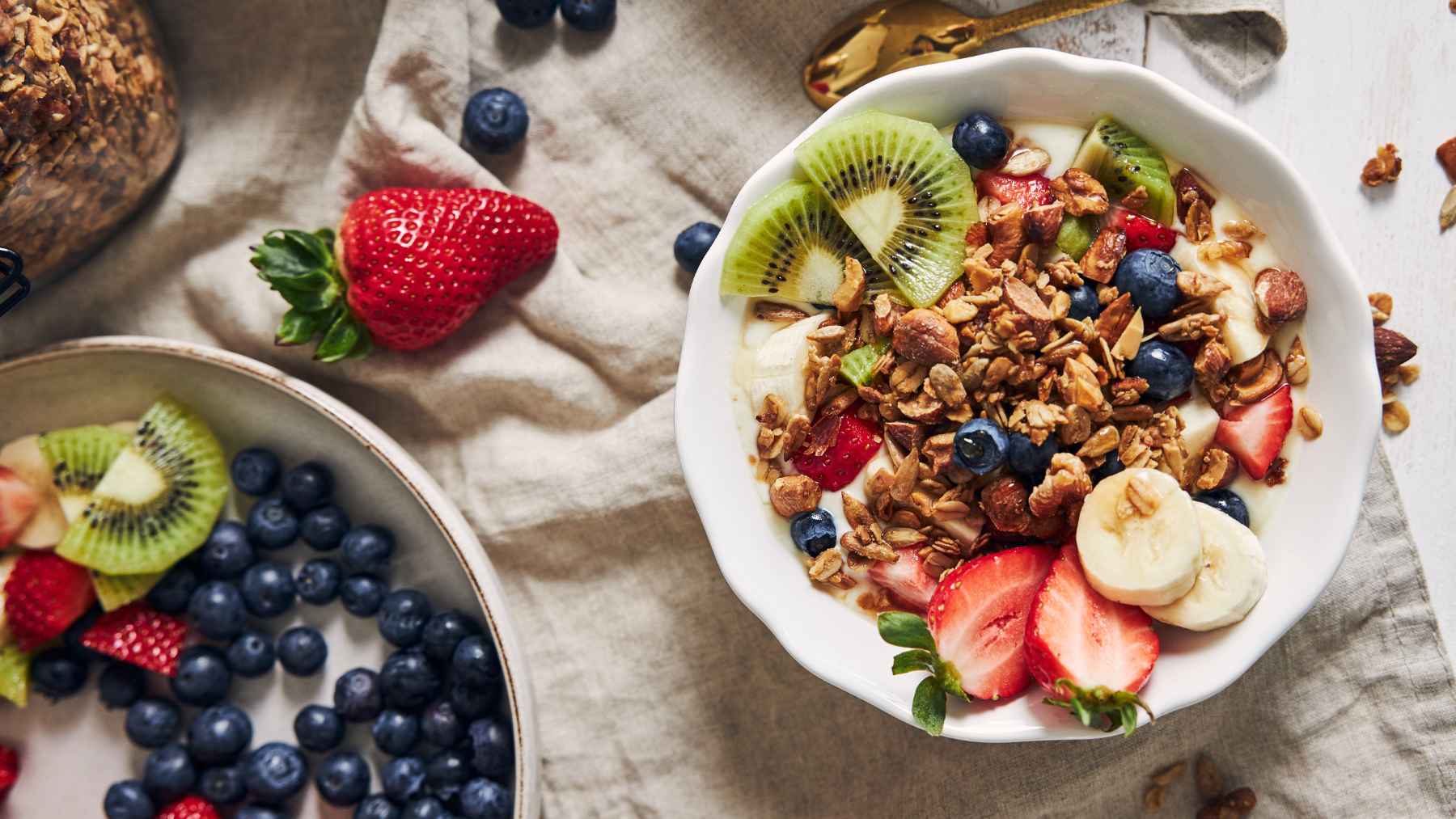
Greek yogurt is another everyday option, and a standard 7-oz. serving can provide about 19 grams of protein. It can go sweet with overnight oats, or savory in sauces, dips, and dressings. USDA FoodData Central is one useful place to compare nutrient data, since brands and styles can vary.
Rice and beans still deliver
Rice alone has some protein, but it is not usually considered a high-protein food. Beans change the story quickly. Half a cup of beans can add about 7 to 9 grams of protein, plus fiber, which helps make a meal feel more satisfying.
Together, rice and beans also create a stronger amino acid profile than either food on its own. That is why the combination shows up in so many food cultures, from quick weeknight bowls to family recipes that have been passed down for years–simple works.
Make it easy to repeat
The best protein strategy is usually the one that survives a busy Tuesday. Keep Greek yogurt in the fridge, canned beans in the pantry, edamame in the freezer, and seeds near the salad bowl. That way, the upgrade is right there when hunger hits.
No single food has to do everything. A cup of broth here, a scoop of cottage cheese there, a handful of seeds on top of lunch, and a rice-and-bean bowl at dinner can add up without turning eating into a spreadsheet.
The original expert guidance referenced for this article was published by Vogue.