For many men, prostate cancer does not fully end after surgery. The blood tests, follow-up visits, and fear of recurrence can stretch for years, and research has long cited biochemical recurrence in roughly one-third of patients within 10 years after prostate removal.
Now a Chilean-led study is putting a much shorter treatment schedule into view. Instead of up to 35 conventional radiation visits, the proposed plan uses five sessions of highly precise radiation for selected patients whose prostate cancer shows signs of coming back.
A shorter treatment after surgery
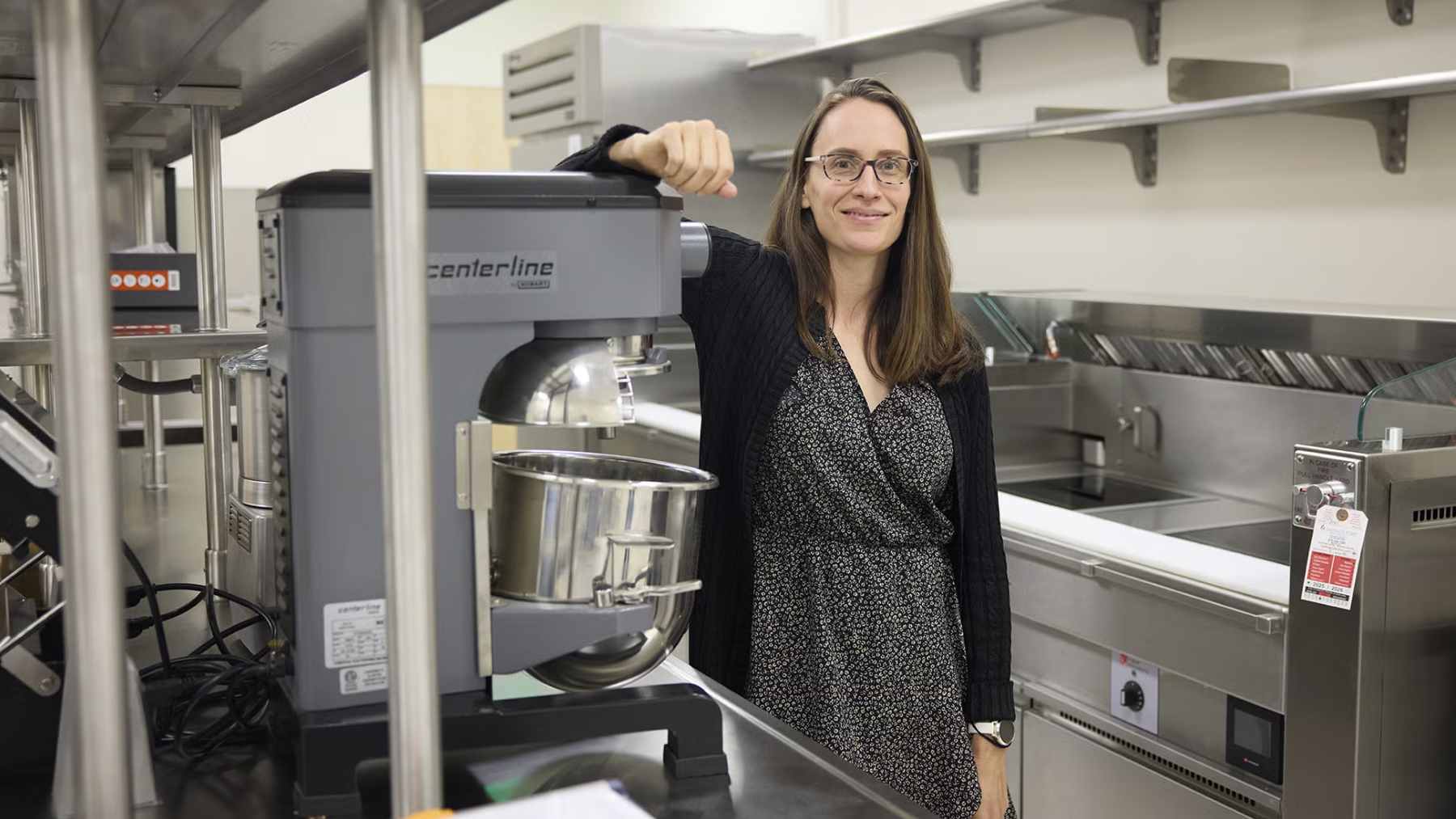
The work was led by Dr. Isidora King, a Chilean radiation oncologist at Clínica IRAM. Her team studied 166 patients who had already undergone surgery for prostate cancer and later showed some form of relapse.
Of those patients, 61 had at least six months of follow-up, giving researchers an early look at safety and quality of life. The average patient was 65 years old, and about three quarters also received hormone therapy, a common add-on in this setting.
What the five sessions do
The treatment uses stereotactic body radiation therapy, often called SBRT. In simple terms, that means doctors use advanced imaging and planning tools to aim radiation with high precision, so each visit can deliver a stronger dose while trying to protect nearby healthy tissue.
Why does that matter in everyday life? Fewer sessions can mean fewer rides to the clinic, fewer missed workdays, and less disruption for families already dealing with the stress of cancer care.
From 35 visits to five
King explained that the big change is not just the number of appointments. “The main difference is in the way the radiation dose is administered,” she told La Tercera, adding that better imaging, planning, and equipment accuracy now make it possible to give higher doses per session.
That does not mean the treatment is casual or simple. Radiation in the pelvis sits close to the bladder, bowel, and sexual organs, so the real challenge is hitting the target without making life harder afterward.

What the study found
The official study record describes the work as a retrospective study, meaning researchers looked back at patients already treated. It reported that 166 patients received the five-session postoperative pelvic radiation approach, with acceptable short-term toxicity and preserved quality of life.
King said the approach “was well tolerated by patients, with low levels of acute toxicity and quality of life that remained favorable during the evaluated follow-up.” In plain English, the early results suggest the treatment did not cause major short-term side effects for most patients in the group.
Why patients may care
Prostate cancer is one of the most common cancers in men. In the United States, the American Cancer Society says about one in eight men will be diagnosed with it during their lifetime.
After surgery, a rising PSA blood test can be the first warning sign that cancer cells may still be active. That is where salvage radiation, a treatment given after the first treatment has not fully controlled the disease, can enter the picture.
Not for every case
There is an important catch. This five-session plan is not automatically suitable for every man with a rising PSA or a suspected relapse.
King said each patient needs an individual evaluation to decide whether a local treatment makes sense and whether this shorter schedule fits his situation.
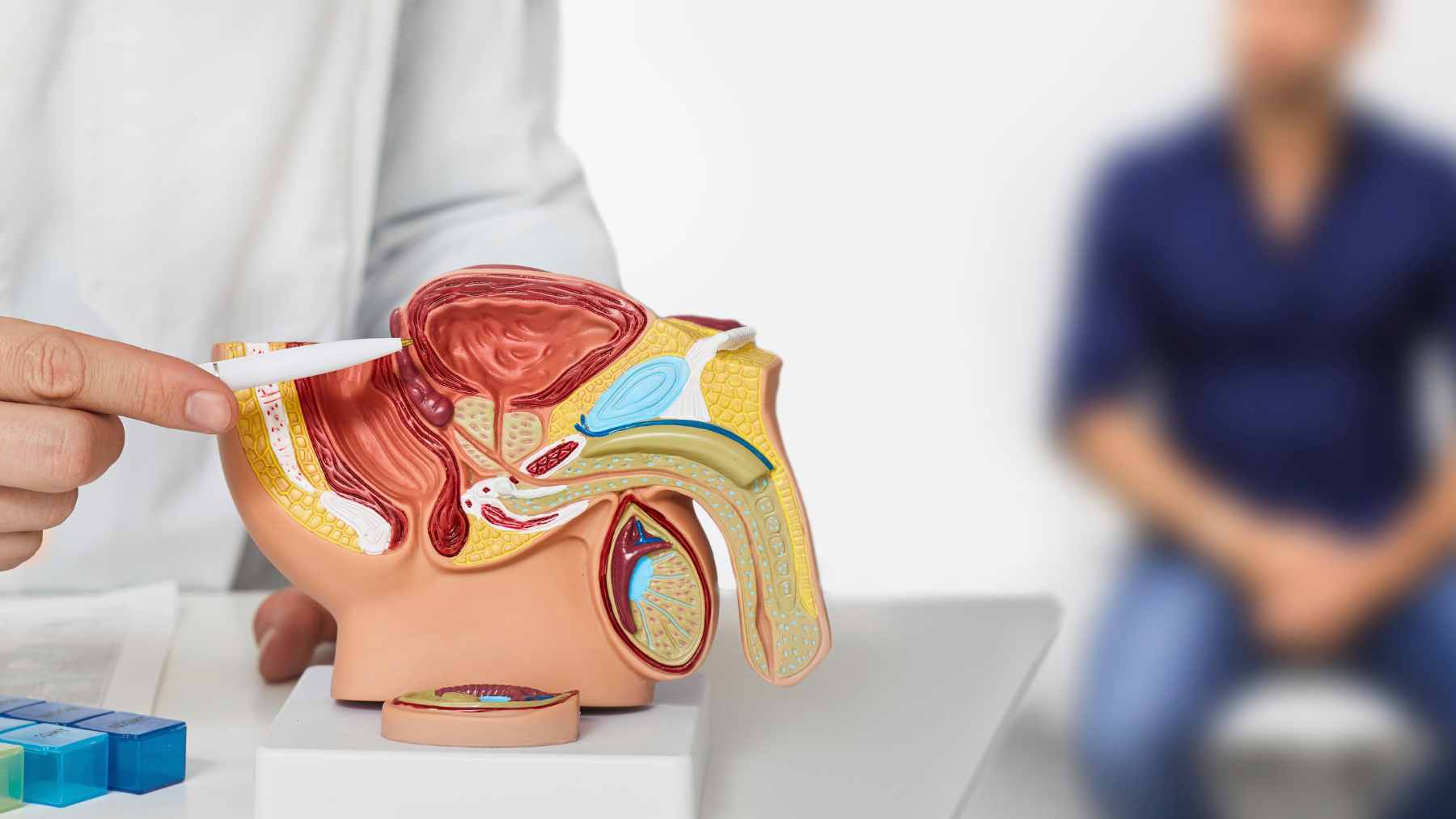
That is the part patients do not always see from the outside, because the decision depends on cancer risk, imaging, previous treatment, general health, and possible side effects.
The bigger treatment question
The study also reflects a broader shift in prostate cancer care. Doctors are not only asking whether treatment can control cancer, but whether it can do so while protecting urinary, bowel, and sexual function.
That balance matters. A treatment that looks efficient on paper still has to work for the person sitting in traffic on the way to the clinic, worrying about the next scan, or trying to keep life moving while treatment continues.
A Chilean study with global relevance
King said the research helps share clinical experience, generate knowledge, and offer useful data for other medical teams. “From Chile, we can generate relevant scientific evidence and contribute to discussions that are happening internationally,” she said.
For now, the key message is careful optimism. The study points to a shorter, potentially more convenient option for selected patients, but longer follow-up will be needed to understand how well it controls cancer over time.
The official study has been published in Radiation Oncology Journal.