Most people would expect the loneliest moment in human history to look like Michael Collins in July 1969. While Neil Armstrong and Buzz Aldrin were on the Moon, Collins stayed in Columbia, the Apollo 11 command module, circling the far side with radio silence between him and Earth.
NASA’s mission log recorded Mission Control’s “not since Adam” remark during the 47 minutes of each lunar revolution.
Yet Collins did not fit the label. The sharper lesson may come from Carl Jung’s famous line, which frames loneliness less as having no one nearby and more as being unable to share the “things that seem important” inside you.
A person can be alone behind the Moon and feel fine, while another can sit in a crowded room and feel unreachable.
The quiet behind the Moon
Collins’ solitude was physical, clean, and measurable. NASA identifies him as the command module pilot on Apollo 11, July 16 to 24, 1969, while Columbia remained in lunar orbit as Eagle carried Armstrong and Aldrin to the surface. For almost three quarters of an hour at a time, the Moon itself blocked the voices of the planet.
That sounds bleak, but Collins had a job, a ship, checklists, and a clear reason to be there. He was the way home for the two men on the surface, so his aloneness carried purpose rather than shame.
So how can a man cut off from Earth feel almost at ease? Collins later said he “was not lonely” and described the command module as a “happy little home”. That detail turns the whole story inside out.
A crowd is not connection
Modern loneliness research points in a similar direction. The U.S. Department of Health and Human Services describes social connection as a mix of structure, function, and quality, not just how many people sit around you.
Its fact cards note that poor social relationships, social isolation, and loneliness can raise heart disease risk by 29% and stroke risk by 32%.
That detail matters because loneliness is not always a blank calendar. Sometimes it is a full phone, a loud dinner, or a packed workplace where the one thing you need to say feels unsafe–the room is full, but the bridge is missing.
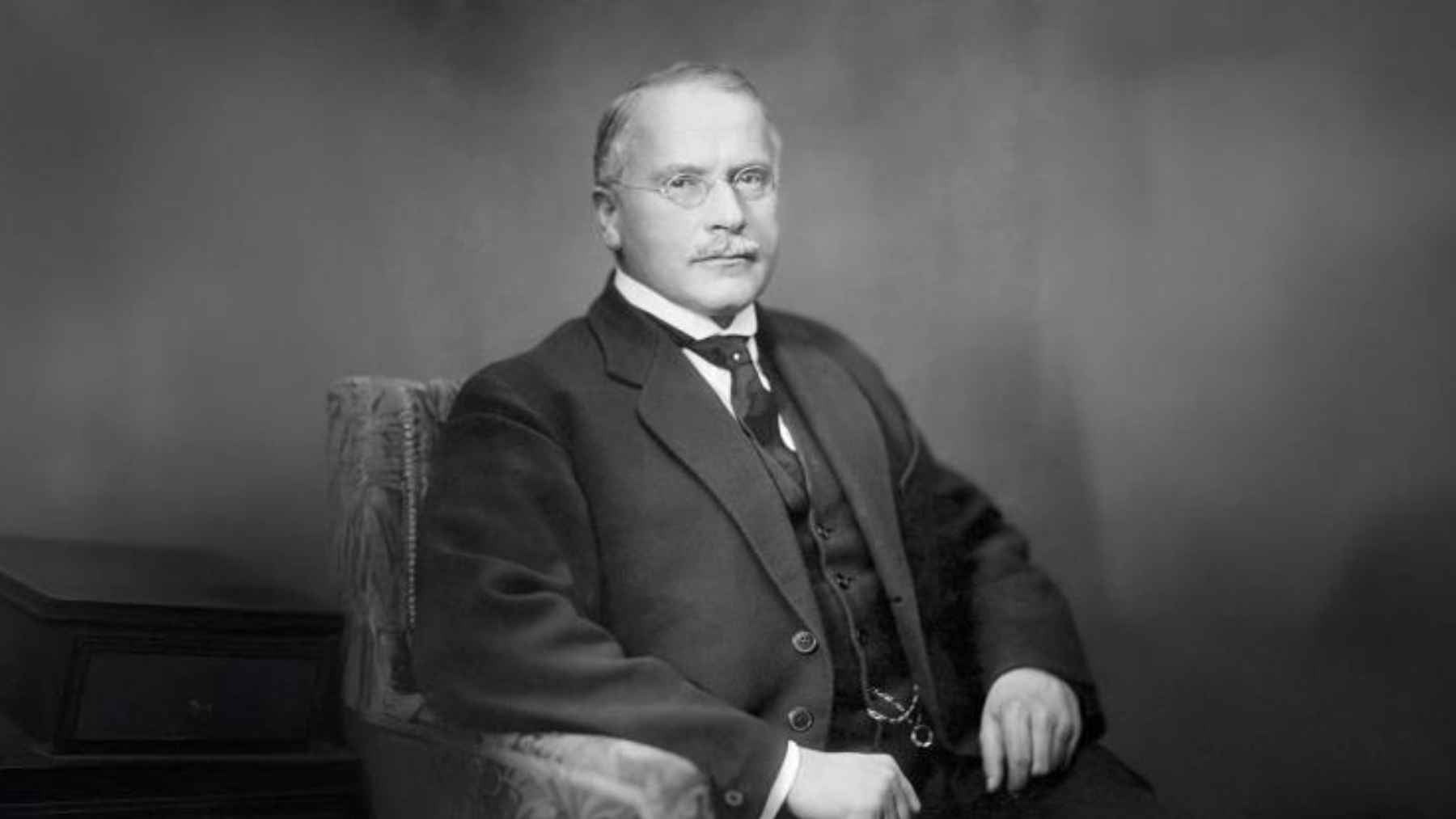
Swiss psychiatrist Carl Jung argued that true loneliness comes not from being alone, but from being unable to share what matters most with others.
A restaurant full of noise
The source account makes that bridge visible through a restaurant story. The narrator describes running busy dining rooms, dealing with staff, suppliers, regular customers, and the rush of service. From the outside, it looked like connection everywhere.
What no one knew was that he wanted to leave the life he had built. When he tried to say it, people answered with kind, reasonable lines. They told him he had succeeded, that others would envy him, or that he was simply tired.
That was where loneliness tightened. Not because no one was nearby, but because the one sentence he most needed to say had been quietly ruled out as unacceptable.
The trap after talking
There is another twist here. People often leave conversations assuming they talked too much or sounded strange, but studies suggest that fear can be wrong.
In a 2018 paper in Psychological Science, Erica Boothby, Gus Cooney, Gillian Sandstrom, and Margaret Clark found that people often underestimate how much their conversation partners liked them and enjoyed their company.
That finding is small but useful in everyday life. Think about the last awkward pause in a hallway chat or the message you reread five times before sending. The other person may not be judging as harshly as the voice in your head.
What breaks loneliness
The restaurant story turns on one late conversation with an old friend. This time, the narrator gave the honest answer: he wanted to sell, he did not fully know why, and he was afraid of who he might become afterward.
The friend did not offer a fix. He did not recite the usual praise or argue the feeling away. He simply recognized it, saying he thought he would feel the same.
Research on listening helps explain why that small moment felt so large. A 2023 paper in Personality and Social Psychology Bulletin by Guy Itzchakov and colleagues reported that high-quality listening reduced loneliness after people shared experiences of rejection, based on five experiments with 1,643 participants.
The witness matters
This is the practical shift. The opposite of loneliness is not always company. Sometimes it is a witness, one person who can hear the inadmissible thing without flinching and give it back intact.
That does not mean every private thought belongs in every room. It means the cure for this kind of loneliness is more precise than a busier schedule. It asks for a safer listener, a better question, and enough trust to answer honestly.
Collins came home from the Moon and lived with a label he did not quite accept. NASA later acknowledged that some called him the “loneliest man in history”, but the label missed the point. He had been alone in space, while many people are lonely in bright, crowded places.
The official Apollo 11 mission overview discussed here has been published by NASA.