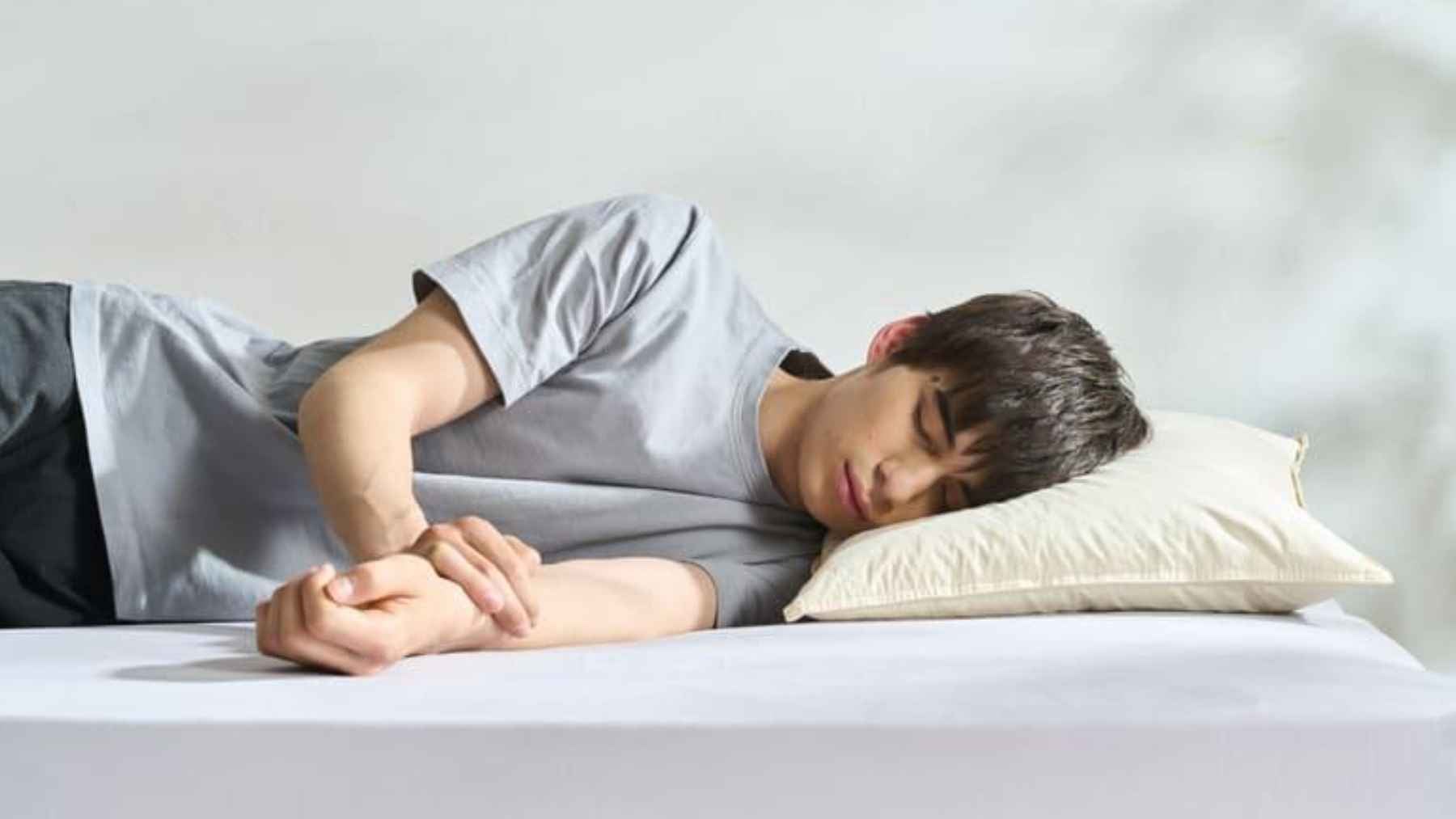
Most people choose a sleep position the same way they choose a favorite spot on the couch. It just feels right, until the neck feels stiff, the lower back aches, or the morning starts with that slow, labored roll out of bed.
So, is it better to sleep on your side or on your back? The honest answer is less tidy than a mattress ad. For most bodies, the best position is the one that keeps the spine close to neutral, supports breathing, and does not leave warning signs when the alarm goes off.
Your spine wants neutral
A neutral spine does not mean a perfectly straight spine. It means the neck, upper back, lower back, and hips are supported in a way that respects their natural curves.
Side sleeping puts more pressure on the shoulder and hip. Back sleeping spreads body weight more evenly, but it can let the lower back arch too much if the mattress sinks in the wrong place or the pillow pushes the head forward.
That’s why the pillow and mattress matter. A good position can turn bad if the neck twists, the pelvis rolls, or the lower back drops into the bed night after night.
What research found
A 2021 study led by Doug Cary, Angela Jacques, and Kathy Briffa at Curtin University followed 53 adults sleeping at home over two nights. People with morning neck symptoms changed position more often, spent more time in postures considered irritating, and reported poorer sleep quality than people without symptoms.
The study did not prove that one sleep position directly causes pain, but it does suggest that what happens during the night may show up in the body before breakfast.
A 2023 MRI study led by Jacopo Antonino Vitale and colleagues at IRCCS Istituto Ortopedico Galeazzi in Milan looked at 20 healthy adults lying on a mattress and on a rigid surface.
MRI is a scan that shows body structures, and in this case, it showed that the mattress made small but measurable changes in lower back alignment while people were lying face up. In other words, the bed is not just background furniture.
When side sleeping helps
Side sleeping is often helpful for people who snore, have mild sleep apnea, or deal with reflux and heartburn. Johns Hopkins Medicine notes that side positioning can help keep the airway open for snoring and mild apnea, while the left side may be easier on reflux for some people.
Side sleeping has one issue, however. The shoulder and hip carry much of the load, and anyone who has woken up with a numb arm knows how annoying that can feel.
A pillow should fill the space between the head and shoulder, not lift the head toward the ceiling or let it drop. A second pillow between the knees can reduce the twist through the hips and lower back.
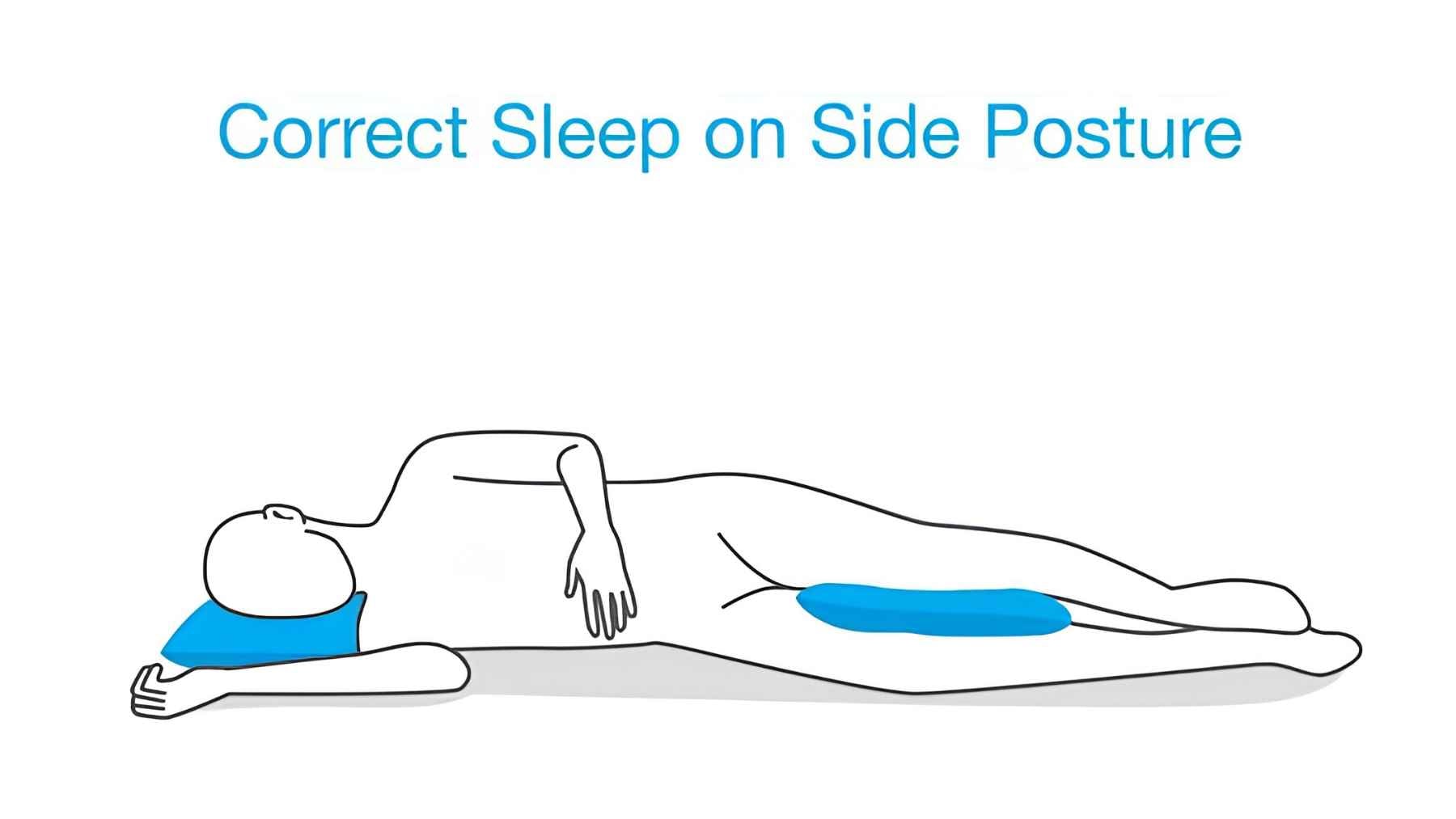
Proper side sleeping posture includes a supportive pillow under the head and another between the knees to help keep the spine in a neutral position and reduce pressure on the hips and lower back.
When back sleeping helps
Back sleeping can be a strong option for people whose spine feels better with even pressure across the body. Essentially, it can feel like giving the mattress a wider job instead of asking one shoulder to take the whole shift.
The details matter here, too. A pillow that is too tall can push the chin toward the chest, while a small pillow under the knees may ease tension in the lower back for some people.
On the other hand, back sleeping is not ideal for everyone. People who snore heavily or have obstructive sleep apnea, a condition that causes breathing pauses during sleep, may notice worse breathing in this position.
How to test your best position
The best test is not what looks healthiest in a diagram. It is what your body reports over several mornings.
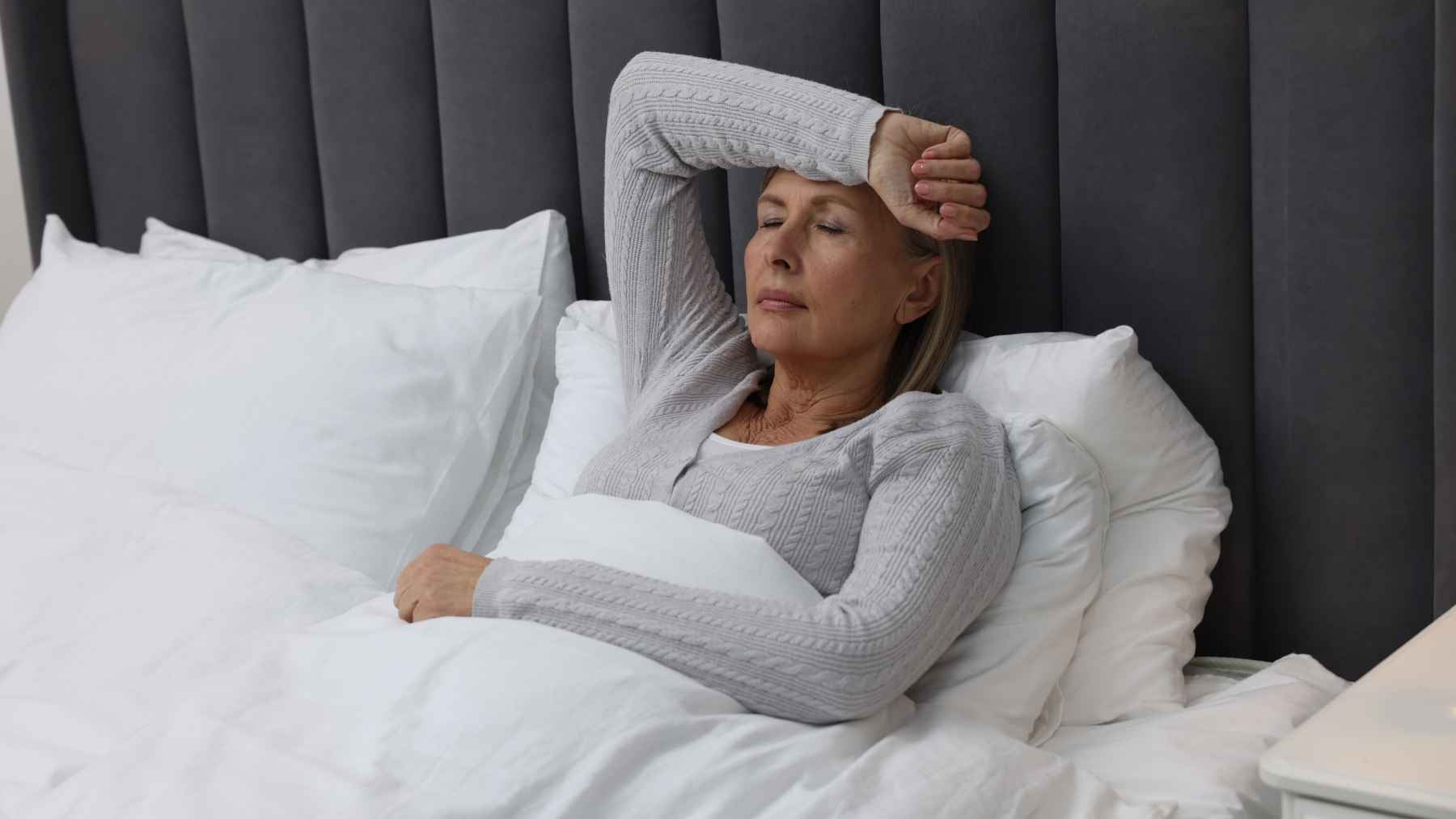
Pay attention to neck stiffness, shoulder pain, low back tightness, tingling in the arm, and the feeling of waking up unrefreshed. Also notice whether you keep flipping over all night, because constant position changes may mean the body is searching for relief.
Try one adjustment at a time. Change the pillow height, add knee support, or test whether a slightly different angle reduces pressure before blaming the whole mattress.
Side or back
For many people, side sleeping wins because it can support breathing and reduce some back discomfort when the head, shoulders, hips, and knees are lined up. For others, back sleeping works better because it spreads pressure and keeps the torso from curling.
Pregnancy is one major exception to casual trial and error. The American College of Obstetricians and Gynecologists says side sleeping during the second and third trimesters may be best, with one or both knees bent and a pillow between the knees.
At the end of the day, the right answer is personal, but not random. If pain, strong snoring, tingling, or poor sleep keeps showing up, treat it as a signal to speak with a health professional rather than as a normal part of getting older.
This content is for informational purposes only and does not replace medical evaluation, diagnosis, or treatment.
The main research discussed here has been published in PLOS ONE and European Radiology Experimental.