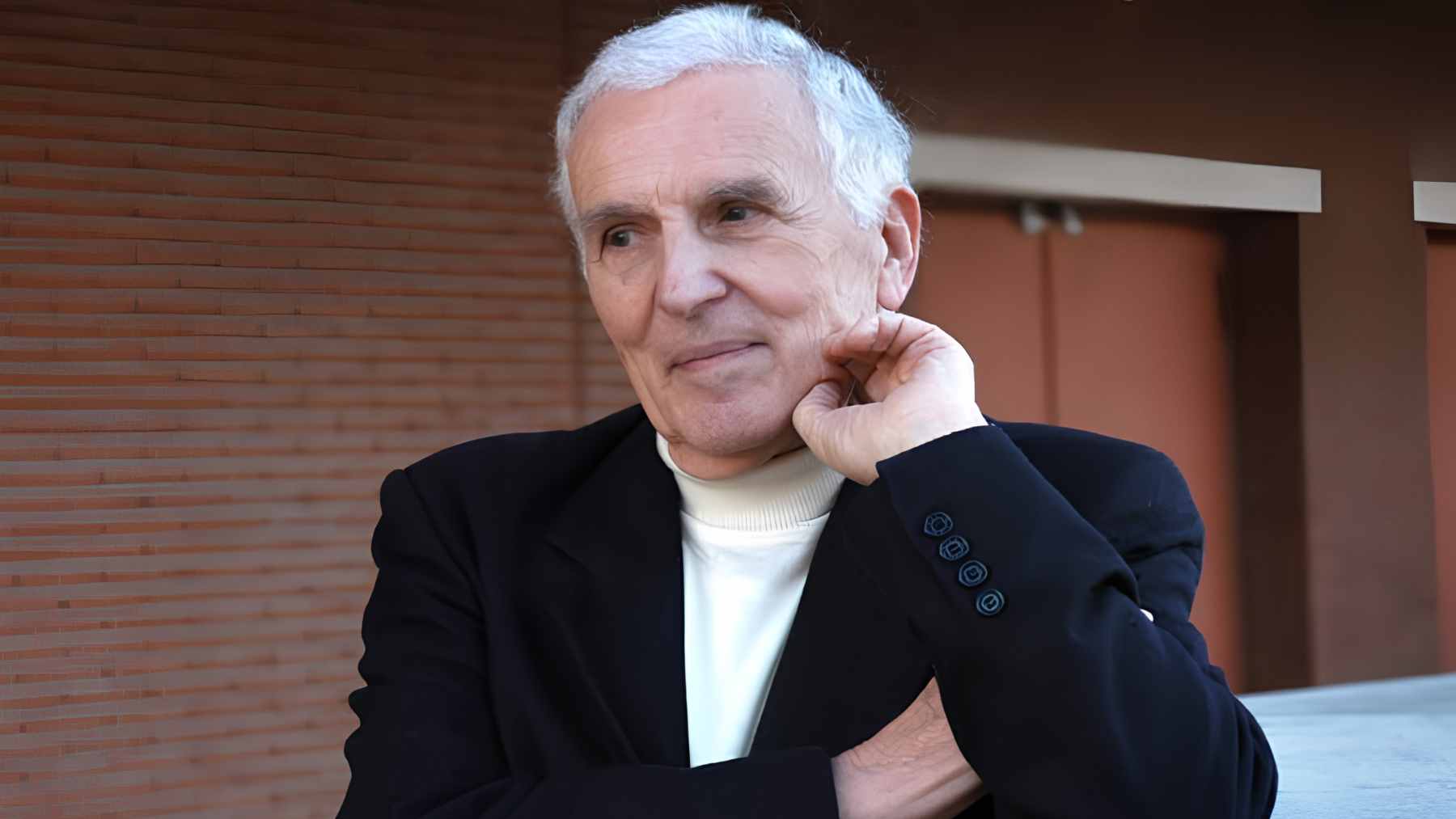
At 97, Silvio Garattini is still pushing a message that sounds almost too plain for the age of health hacks. The Italian oncologist and founder of the Mario Negri Institute for Pharmacological Research says prevention does not begin with a miracle pill.
It begins with food, movement, and the habits we repeat when nobody is watching.
His warning lands at a serious moment. In 2023, cancer caused 613,349 deaths in the United States, according to the Centers for Disease Control and Prevention.
The story is not only about treatment after diagnosis, however, because researchers increasingly connect many common tumors to risks that can be reduced.
Prevention first
Garattini’s authority comes from a long career in medicine, not from a wellness trend. That makes his message feel sharper, because he is not claiming that cancer is simple or that every tumor can be avoided.
He is saying something more practical. Prevention often begins before the hospital, in ordinary choices that seem small until they add up.
Why 40% matters
A 2024 American Cancer Society analysis led by Farhad Islami found that four in ten cancer cases and about half of cancer deaths among U.S. adults age 30 and older were tied to modifiable risk factors.
“Modifiable” simply means risks that can be changed or reduced, even if money, neighborhood conditions, work schedules, and access to care make that easier for some people than for others.
Smoking was the largest factor in that analysis. Excess body weight, alcohol, ultraviolet radiation, physical inactivity, diet, and infections also appeared in the list. That does not make cancer a personal failure, but it does make preventive behaviors hard to ignore.
Eating less
In the main interview, Garattini put his food philosophy in one blunt line: “The important thing is not so much when you eat, but how much you eat,” he said. He also pointed to animal studies suggesting that reducing food intake by 30% can raise life expectancy by up to 20%.

That claim needs a careful reading. Research in rhesus monkeys has found that calorie restriction without malnutrition can delay aging-related disease, although results have not always been identical across trials, and humans are not lab animals.
So, eating less is not the same as starving yourself or copying a fasting routine from the internet. For teenagers, pregnant people, people with diabetes, older adults at risk of frailty, or anyone with an eating disorder history, major diet changes should be discussed with a clinician.
The 3-mile habit
Garattini’s own routine is almost ordinary. In Corriere della Sera, he described walking about 3 miles a day, eating little, avoiding tobacco, and giving up alcohol more recently. He still leaves room for pleasure, including dessert.
That detail keeps the story grounded. The message is not a superhero workout or a perfect kitchen scale. It is closer to a brisk walk after a long day, fewer oversized portions, and stopping before feeling stuffed.
The National Cancer Institute says evidence linking higher physical activity with lower cancer risk comes mostly from long-term observation, but the pattern is strong for several cancers. Sitting all day may also carry risk.
Anyone who has spent hours in traffic, at a desk, or on a couch knows how easily stillness becomes the default.
Tobacco and alcohol
Garattini’s broader warning is not gentle. “We know perfectly well what we should do, but we do not do it,” he says. Tobacco, alcohol, sedentary living, obesity, poor diet, and certain infections keep showing up because they are repeated exposures.
There is also a market problem in the background. Cheap calories are everywhere, alcohol is normalized in many social settings, and screen time makes hours disappear without much movement. That’s why prevention can’t be reduced to willpower alone.
Still, daily choices are real. Quitting tobacco, drinking less or not at all, keeping up with vaccines and screening, walking more, and eating fewer ultra-processed foods are not flashy moves. They are the kind that change the long game.
His medication warning
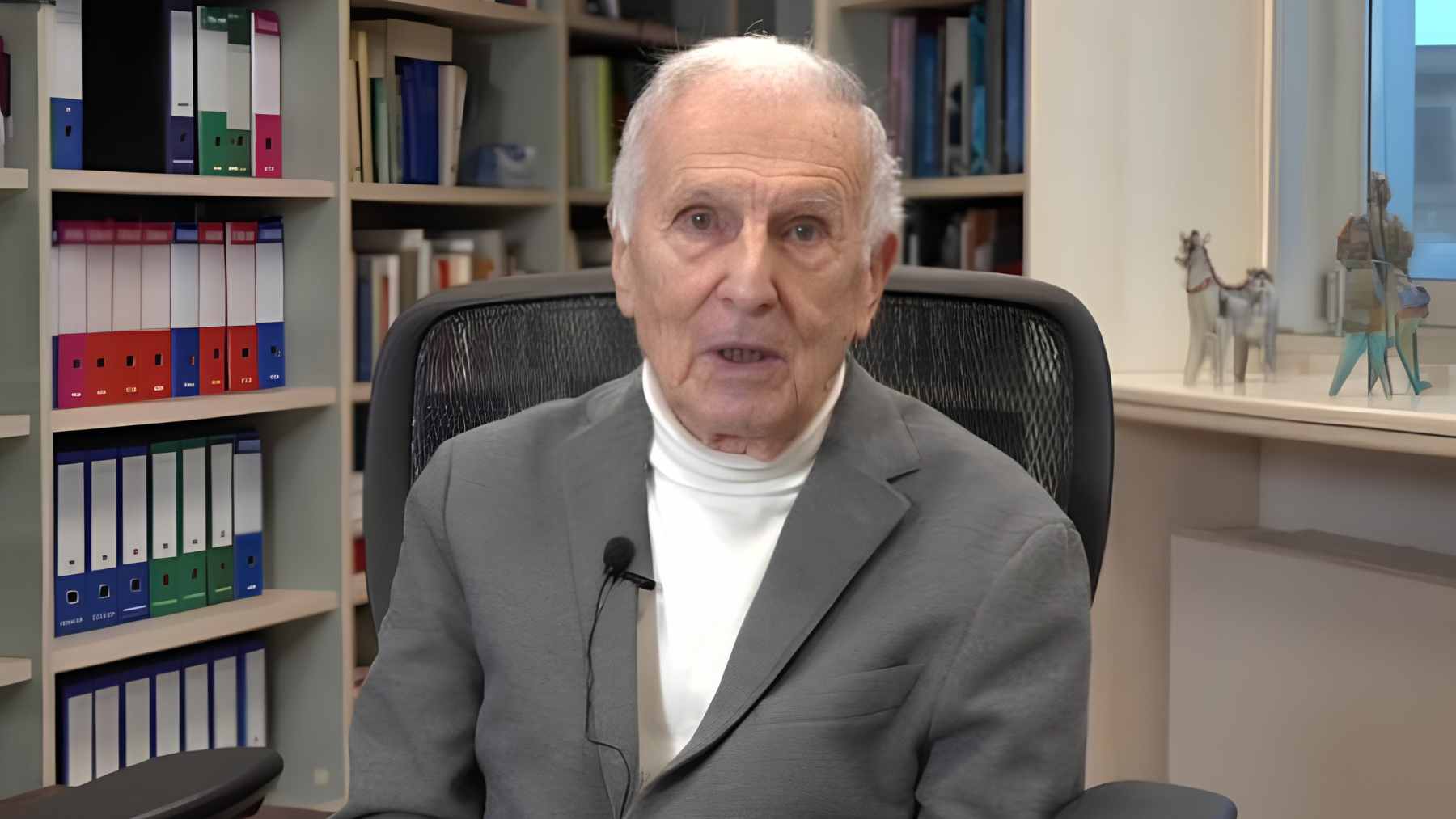
Garattini also criticizes what he sees as excessive medication. His personal rule is to take only what is strictly necessary, when it is necessary, and with caution. On cholesterol, he has argued that changing “normal” targets too aggressively can blur the line between medicine and market pressure.
That critique should not be read as advice to stop prescribed drugs.
The National Heart, Lung, and Blood Institute says statins can lower the risk of heart attack and stroke in people with high LDL cholesterol, and the American Heart Association tells patients not to stop cholesterol treatment without talking to a health professional.
Small changes that stick
One old saying captures his approach well: leave the table a little hungry. It sounds almost too simple, but in a world built around oversized servings and constant snacking, simple does not always mean easy.
At the end of the day, what he is trying to do is shift the focus from rescue to prevention. Not every cancer can be prevented, and no walk or dinner choice can guarantee a long life. For the most part, though, the evidence points in the same direction.
Move more. Smoke less. Drink less. Eat with restraint, and do it before the warning lights come on.
The main interview has been published in La Vanguardia.