On the hottest nights, sleep can feel like a small battle. You open a window, turn on a fan, maybe run the air conditioner, and then somehow still reach for a blanket.
That habit can look contradictory, especially on an especially hot and humid night. But Eva García, a psychiatrist known online as @dravapsiquiatra, puts it plainly.
“Sleeping with a blanket, even when you are hot, is not a strange habit, it is your nervous system looking for safety,” she said in a social media post highlighted by La Vanguardia.
The blanket as safety
The basic idea is simple. A covering can send a signal of shelter to the brain, much like closing a bedroom door or pulling the curtains before bed.
In that view, the blanket is not only a tool for warmth. For some people who grew up around emotional chaos or unpredictable homes, it may become a stand-in for comfort that was missing when they needed it most.
Heat still matters
This does not mean heat is harmless. The National Sleep Foundation says the body naturally cools as sleep begins, and it recommends a bedroom temperature between 60° and 67°F to help promote sleep. That matters when the air-conditioning bill is high and the bedroom still feels heavy.
So why keep the blanket if heat is already working against sleep? For many people, the answer is not temperature alone, it is the feeling of being covered, contained, and less exposed.
What pressure does
The research closest to this everyday habit is not about regular blankets, but weighted blankets. These blankets use deep pressure touch, which means steady pressure spread across the body, a bit like a firm hug without another person in the room.
Jie Yu and colleagues at Zhejiang University School of Medicine reviewed studies on weighted blankets and sleep.
They found that most included studies reported better sleep quality and fewer negative emotions in groups such as people with insomnia, attention deficit hyperactivity disorder, and autism spectrum disorder, but they also warned that larger and stronger trials are still needed.
The evidence is mixed
A 2024 pilot randomized trial in BMC Psychiatry followed 102 adults with clinical insomnia for one month.
People assigned to weighted blankets reported a larger improvement in sleep quality than those using regular blankets, and the study found no severe adverse events, though objective activity tracking did not show the same clear pattern.
Earlier randomized work on weighted chain blankets also found benefits for adults with insomnia and psychiatric diagnoses. That matters because the science is not just about softness or habit, but about how pressure, stress, and sleep may overlap in real bodies.
When stress reaches bed
The safety explanation also fits a broader mental health pattern. The National Institute of Mental Health lists feeling tense, on guard, or on edge, along with trouble falling asleep or staying asleep, among arousal symptoms of post-traumatic stress disorder, a condition that can follow frightening or dangerous events.
That does not mean every person who sleeps under a blanket in summer has trauma. It simply means nighttime habits can sometimes reflect how safe, alert, or unsettled the body feels after the lights go out.
The leg outside
One detail in the post has resonated with many people. Some cover only part of the body or leave one leg outside the blanket, not exactly to cool down, but to feel grounded.
In practical terms, that may be the compromise the body is asking for: covered enough to feel protected, uncovered enough to breathe. Strange at first glance, maybe, but very human.
A practical middle ground
For most people, the goal is not to force themselves to sleep uncovered or to sweat under a heavy layer.
A thin breathable sheet, a light blanket, a fan, or separate bedding from a warmer sleep partner can create the same sense of cover without turning the bed into a sauna.
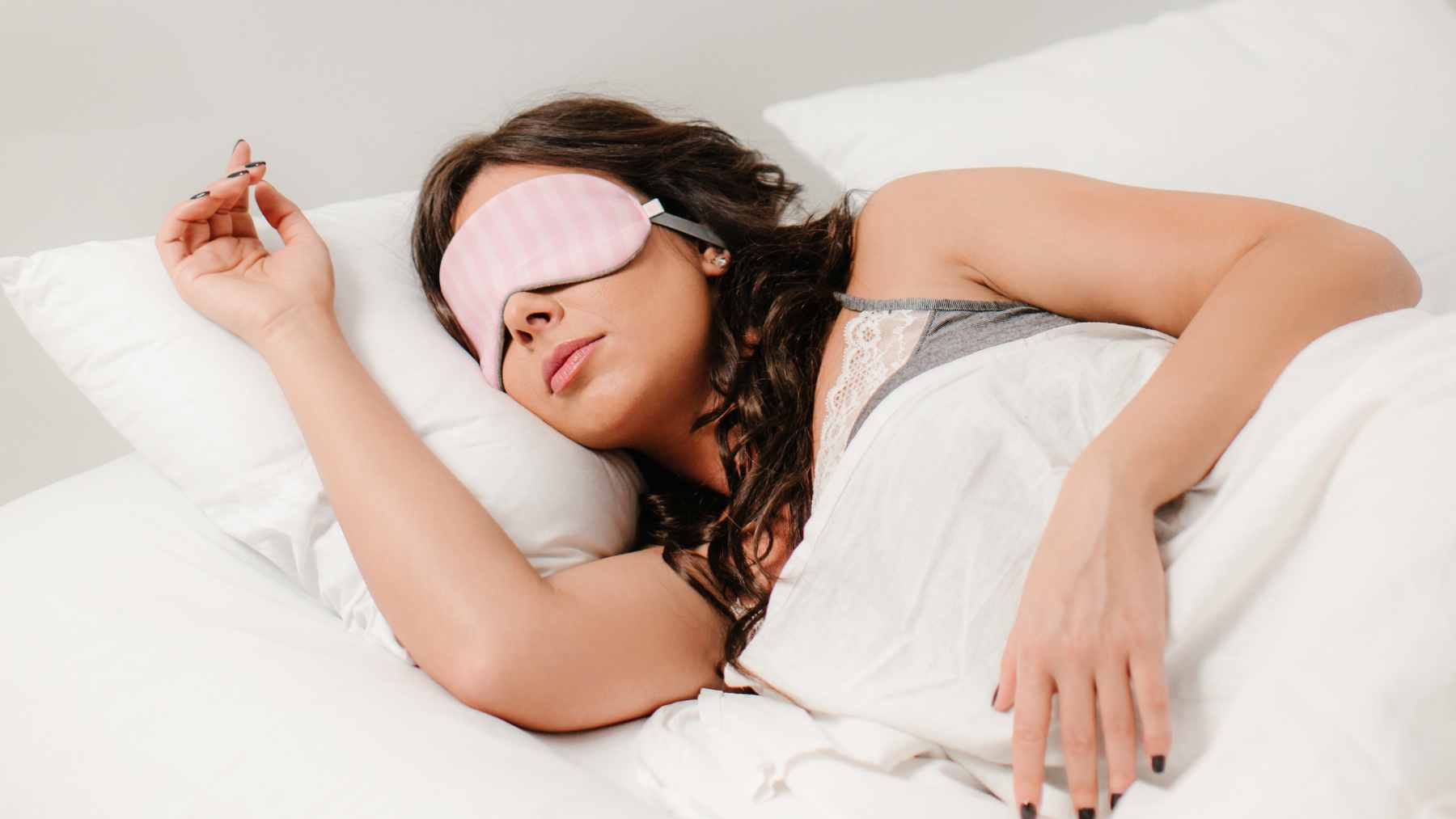
Anyone using a weighted blanket should be able to move it easily. Harvard Health advises people with sleep apnea, breathing problems, or other chronic medical conditions to check with a doctor before trying one, and parents should consult a trained professional before giving one to a child.
Not strange, just human
At the end of the day, this habit is probably best understood as a small bedtime strategy. For some, it is routine, while for others, it is a physical cue that says the day is over and the room is safe.
If the habit helps and does not cause overheating, it may be nothing to worry about. But if bedtime feels frightening, tense, or impossible without rigid rituals, talking with a mental health professional can be a useful next step.
The main peer-reviewed review cited here has been published in Frontiers in Psychiatry.