Stress can feel like a crowded inbox, a late bill, or the traffic jam that makes your shoulders rise before you notice. Chronic stress is not only a mental burden, however. When the body stays on alert for weeks or months, the effects can show up in the brain, muscles, heart, blood sugar, ears, eyes, and gut.
That is the warning behind the health brief supplied for this article, which highlights seven body areas that may respond to long-lasting stress in surprising ways.
The National Library of Medicine’s MedlinePlus explains that stress hormones can raise blood pressure, heart rate, and blood sugar, while long-term stress can strain health over time.
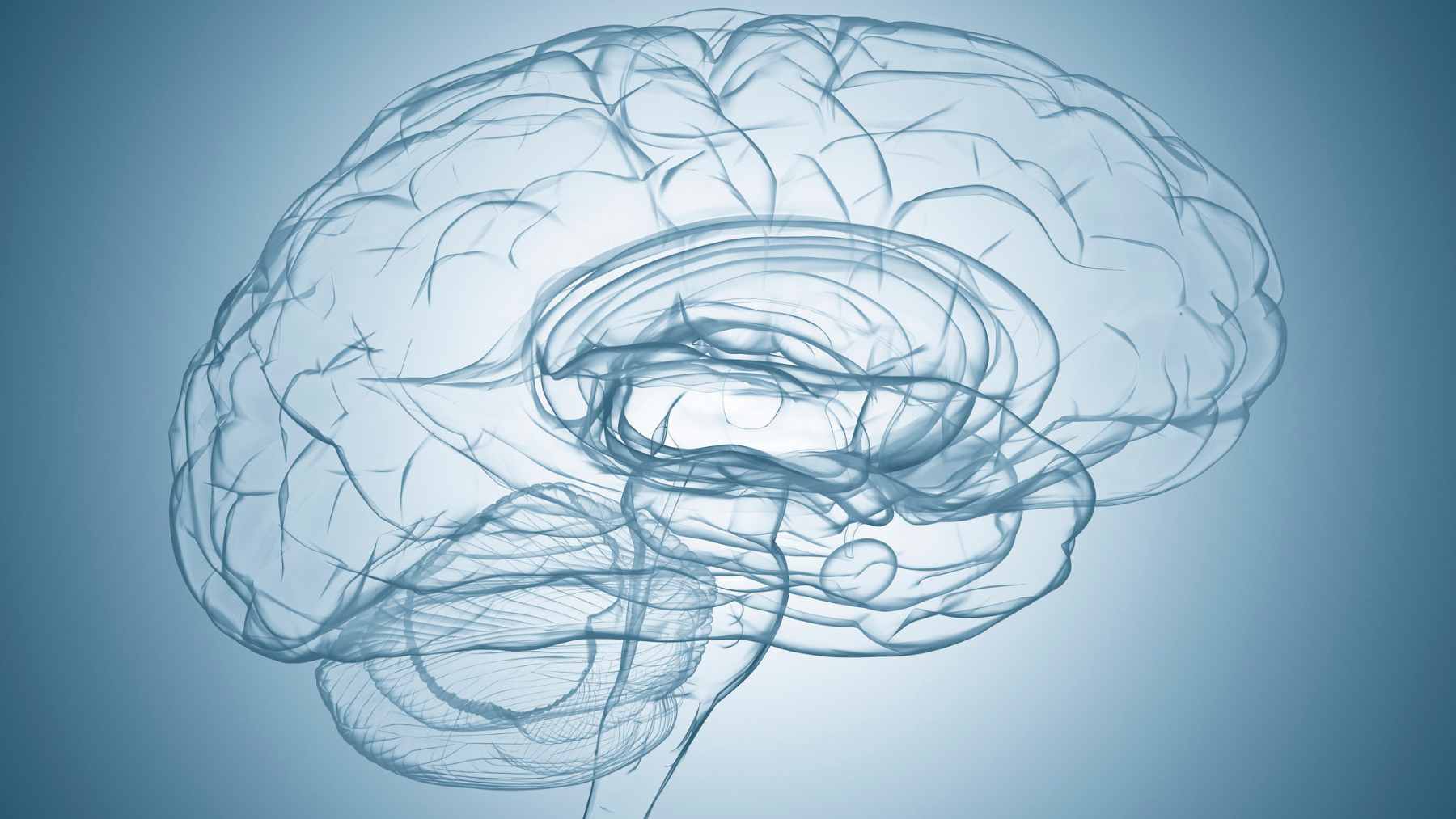
Stress starts in the brain
The brain is the command center of the stress response. In a short emergency, that response can help you react fast, like hitting the brakes when a car swerves into your lane. The trouble begins when the alarm never really shuts off.
Over time, stress can make concentration, memory, and clear decision-making harder. Areas involved in memory and planning may struggle, while the amygdala, the brain’s fear center, can become more dominant.
That is one reason ordinary problems can start to feel bigger than they are.
Muscles carry the strain
Anyone who has finished a tense day with a stiff neck knows this one. Stress pushes muscles to tighten, and if that tightness sticks around, pain can settle into the neck, shoulders, back, and jaw.
The National Institute of Mental Health lists tension, headaches, and body pain among common stress and anxiety symptoms. Some people also grind their teeth, clench their jaw, shake their legs, or tap their feet without thinking about it–small habits with big signals.
The heart pays a price
The heart is built to handle bursts of effort. Under stress, adrenaline can speed breathing and heart rate and raise blood pressure, part of the classic “fight or flight” response. But the American Heart Association warns that chronic stress may lead to high blood pressure, which can raise the risk of heart attack and stroke.
A 2017 study led by Dr. Ahmed Tawakol of Massachusetts General Hospital and Harvard Medical School helped explain one possible pathway.
Researchers tracked 293 people for an average of 3.7 years and found that higher activity in the amygdala was linked to later cardiovascular events. The study suggested that stress-related brain activity may be tied to bone marrow activity and inflammation in the arteries.

Blood sugar can swing
Stress also affects the body’s energy system. Cortisol and adrenaline are hormones that help release fuel into the bloodstream, which can be useful during a real threat. In daily life, though, there may be no sprint to run and no danger to escape.
The Centers for Disease Control and Prevention says stress hormones can make blood sugar rise or fall unpredictably, and being stressed for a long time can make other health problems worse.
For people with diabetes, or those already at risk, that can make glucose control feel like a moving target. It is one more reason stress belongs in the conversation about metabolic health.
Stress can ring in the ears
Tinnitus is the feeling of hearing ringing, buzzing, or another sound when no outside sound is causing it. It can be mild for some people and deeply distracting for others, especially at night when everything else gets quiet.
Research on stress and tinnitus is still developing, so it is important not to oversell the link. A 2023 mini-review in Frontiers in Aging Neuroscience found that emotional stress can worsen existing tinnitus and may play a role in its development, although the evidence is limited.
Eye pressure may rise
Stress is not the same thing as glaucoma, a disease that damages the optic nerve and can reduce vision over time. Still, researchers are studying whether stress can affect pressure inside the eye, especially in people who already have glaucoma.
The European Glaucoma Society highlighted a randomized controlled trial involving 39 patients with primary open-angle glaucoma.
After a standardized social stress test, the stress group showed a measurable average rise in eye pressure, along with changes in heart rate and blood pressure. More research is needed, but the finding is worth watching.
The gut reacts quickly
The gut is one of the first places many people feel pressure. Before a big exam, a hard conversation, or a difficult work meeting, stomach cramps can arrive before the words do. Why does that happen?
The stress response changes how the body uses energy and can disturb digestion.
The National Center for Complementary and Integrative Health notes that long-term stress may contribute to or worsen digestive disorders, headaches, sleep disorders, and other symptoms. For the most part, the gut is not being dramatic, it is reporting what the nervous system is doing.
What this means
None of this means every stressful week will cause disease. Short-term stress is part of life, and sometimes it even helps us perform. The concern is chronic stress, the kind that keeps the body in high gear day after day.
In practical terms, the warning signs are worth taking seriously. Trouble concentrating, tight muscles, chest symptoms, sleep problems, stomach issues, ringing in the ears, or changes in blood sugar should not be brushed aside when they persist.
The main scientific work on stress-linked heart risk cited here was published in The Lancet.