
Fromm, known as a humanist, psychoanalyst, and social psychologist, did not treat happiness as a shiny prize at the end of a shopping list. His answer was quieter.
Happiness grows when a person lives with creativity, authenticity, and connection, an idea with roots in an older philosophical tradition.
Happiness as a result
Fromm’s view turns the usual question around. Instead of asking how to get happy, he asks what kind of life makes happiness possible.
In Man for Himself, he wrote that “Happiness is an achievement” rooted in inner productiveness, which means using our human powers in thought, feeling, and action rather than drifting through life on autopilot.
Productiveness does not mean answering more emails or turning every hobby into a side hustle. For Fromm, it was closer to being alive from the inside. A new phone, a perfect photo, or a packed weekend may feel good for a while, but he would warn that pleasure is not the same as happiness if the whole person feels empty afterward.
A very old idea
Fromm’s answer may sound modern, but it has an old heartbeat. Aristotle used the idea of eudaimonia for a fulfilled human life, often translated as happiness or flourishing. It was not simply a mood; it was a way of living well through virtue and the full use of human capacities.
Spanish philosopher José Carlos Ruiz has made a similar point in contemporary language. In an interview for Aprendemos Juntos, he criticized the idea that 21st-century happiness can be reduced to a checklist of products, trips, and stimulation.
How many people have felt tired after doing everything they were told should make them feel alive?
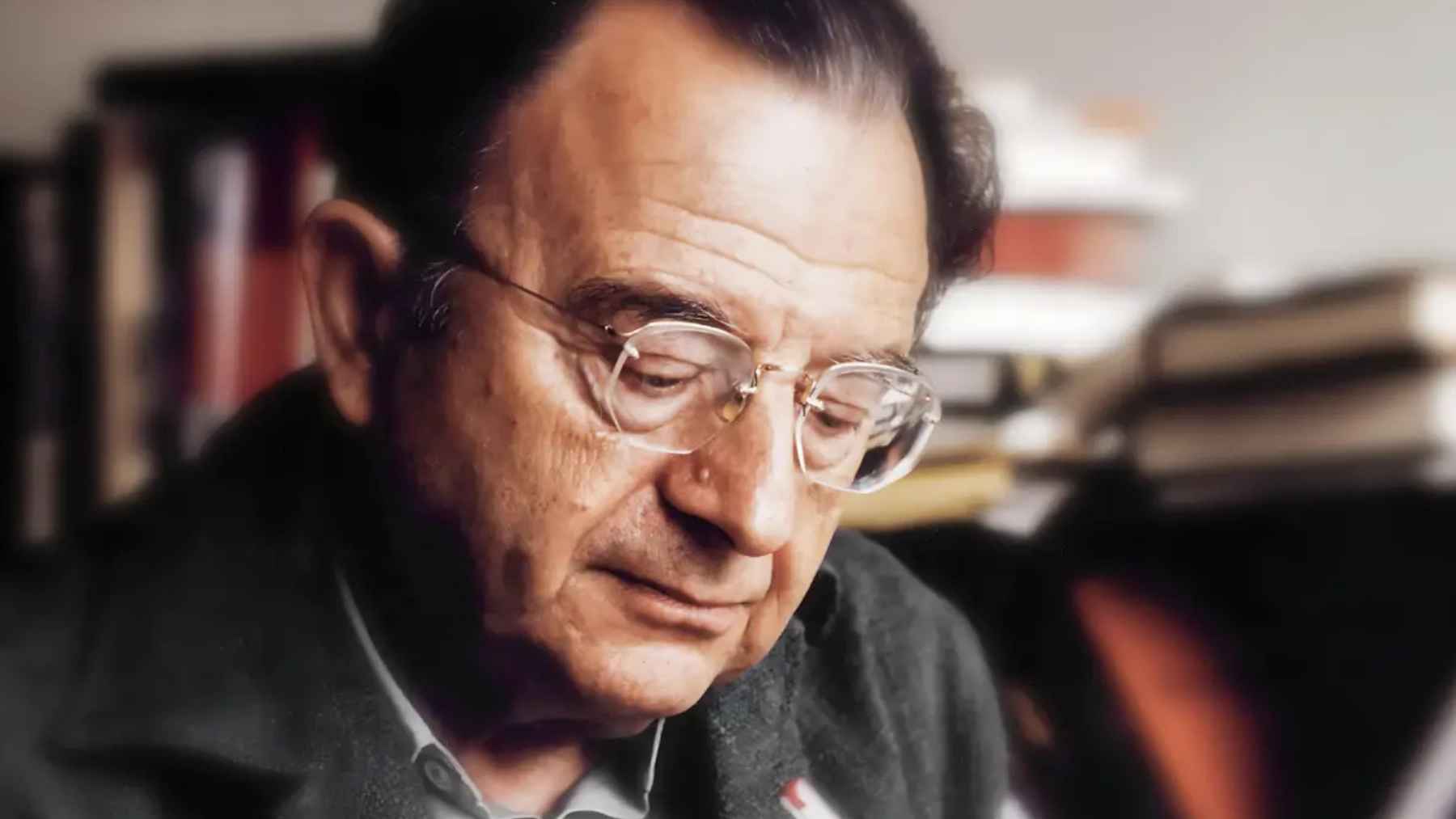
Erich Fromm argued that lasting happiness is built through creativity, authentic living, and genuine human connection rather than material success or social status.
Creativity as daily life
The first pillar is creativity, but Fromm did not mean only painting, music, or writing a novel. In The Creative Attitude, he described creativity as “the ability to see” and respond. That can happen in a studio, but it can also happen in a classroom, a kitchen, a friendship, or a tough conversation.
In practical terms, creativity means refusing to live as a copy of someone else. It means noticing what is in front of you and answering with your own mind, your own care, and your own courage. Watching, scrolling, buying, and comparing can fill hours, but creating, even on a small scale, gives a person a sense of movement.
Authenticity over performance
The second pillar is authenticity. Fromm’s famous contrast between having and being explains it well. In To Have or To Be?, he argued that having is about possession, while being points to aliveness and authentic relatedness to the world.
That does not mean money, homes, jobs, or possessions are meaningless. Rent is real. The electric bill is real. The problem begins when having becomes the main way we define ourselves, as if identity could be measured by brands, titles, or likes.
Authenticity asks a harder question. Who are you when no one is applauding? For Fromm, a freer life begins when a person stops performing a version of themselves and starts living from what is true, responsible, and alive within them.
Connection fights emptiness
The third pillar is connection. Fromm believed human beings need real bonds, not just contacts, followers, or polite proximity. In The Sane Society and The Art of Loving, he described love as an active kind of union that preserves the self while opening it to others.
That idea is easy to romanticize, but it is also practical. Connection can mean listening without checking your phone, showing up for a friend, apologizing when pride gets in the way, or building family ties that do not depend only on convenience. It is not flashy. It matters anyway.
Without connection, Fromm thought people could fall into anxiety, loneliness, and the hunger to fill the gap with things. Anyone who has bought something after a bad day knows the feeling. It can soothe for a moment, but it rarely answers the deeper ache.
Being, not having
At the end of the day, Fromm’s idea is not a self-help shortcut. It is more like a compass. It points away from the chase for constant excitement and toward a life built through creative action, honest selfhood, and mature love.
That does not mean happiness will be permanent or painless. Fromm’s view leaves room for struggle, conflict, and uncertainty. But it suggests that a meaningful life can carry a deeper joy than the quick highs offered by status, consumption, or applause.
The main official source material behind this article has been published by Erich Fromm Online.