For many adults over 65, staying active is not about chasing a personal record. It is about getting up from a chair with confidence, climbing a few steps without fear, and keeping enough leg strength to move through the day.
That is why step exercise, the simple act of stepping up and down from a low platform or stair in a steady rhythm, is drawing attention as a practical home option. It trains the legs, balance, coordination, and heart at the same time, while being easier to fit into daily life than a gym routine.
Why step exercise stands out
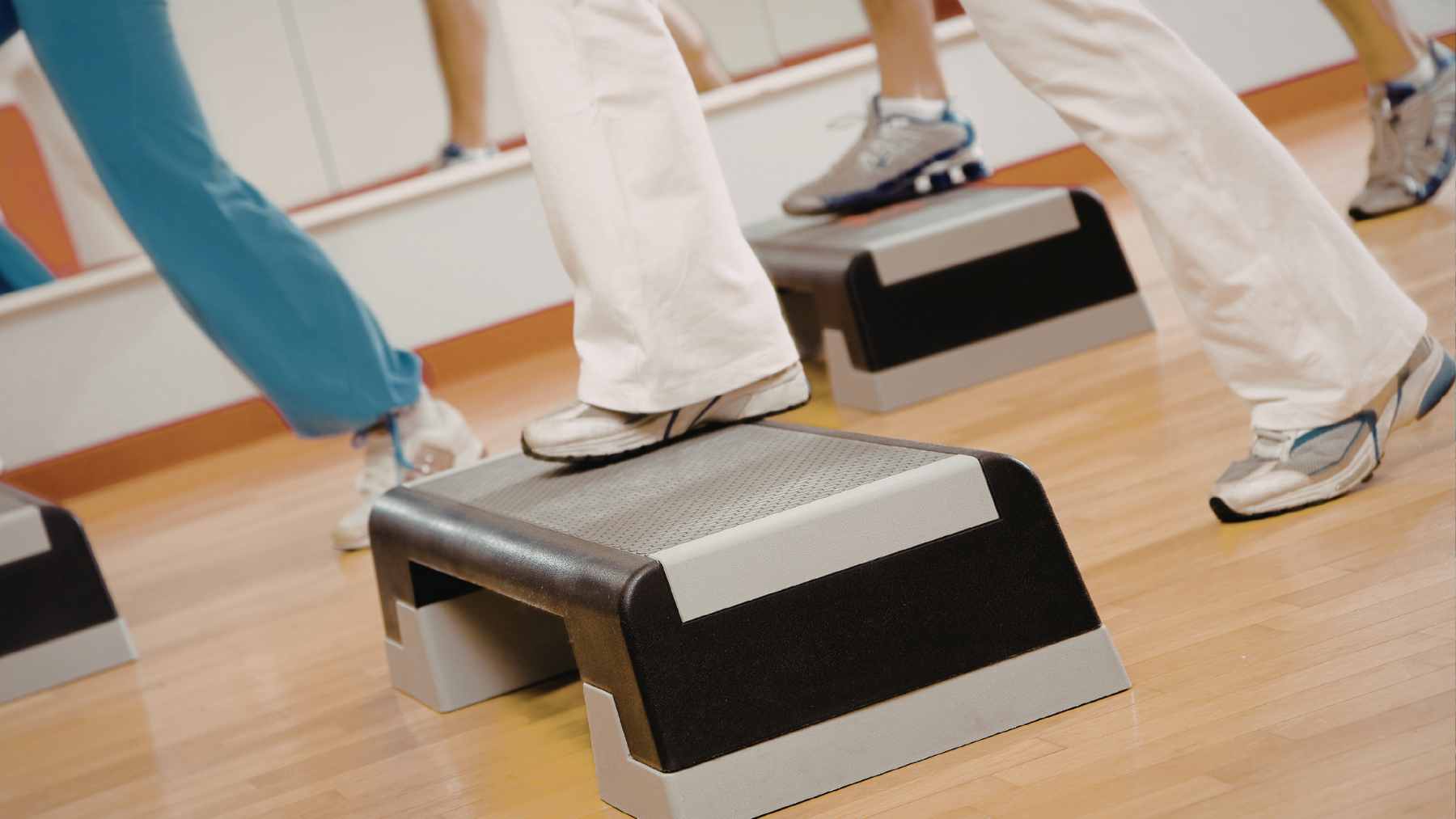
Step exercise sounds almost too simple. You place one foot on a sturdy step, bring the other foot up, then step back down and repeat at a controlled pace.
That small movement asks the body to do several useful jobs at once. The thighs, glutes, calves, and core help lift and stabilize the body, while the brain keeps track of rhythm and foot placement.
What science says
The Centers for Disease Control and Prevention says adults 65 and older need aerobic activity, muscle-strengthening activity, and balance work each week. In practical terms, that means movement that raises the heart rate, keeps muscles strong, and helps prevent that uneasy feeling when footing shifts.
A recent trial led by Evelien Van Roie with Jannique van Uffelen and Christophe Delecluse at KU Leuven and the University of Hasselt compared stair climbing with machine-based resistance exercise in older adults.
The study included 46 adults living in assisted accommodation, who trained twice per week for 12 weeks. It found both programs improved leg power and functional capacity, while stair training was especially helpful for stair-climbing performance.
Why it matters after 65
Aging often brings a quiet loss of muscle and power. You notice it when stairs feel steeper, grocery bags feel heavier, or standing up takes more effort than it used to.
That is not just inconvenient. Weak legs and poor balance can make falls more likely, and falls can quickly threaten independence.
The Community Preventive Services Task Force recommends home-based exercise interventions for adults 65 and older, and its review of 17 randomized trials found small but statistically significant improvements in balance, strength, power, and endurance.

How to start safely
There is one important first step before the exercise itself. People who have heart disease, chest pain, dizziness, diabetes complications, recent surgery, serious joint pain, or a long break from exercise should ask a doctor what is safe.
National Institute on Aging advice, shared by NIH MedlinePlus Magazine, encourages older adults to talk with a doctor, start gradually, and build a rounded routine. That routine should include endurance, strength, balance, and flexibility work, not just one favorite movement.
A simple home routine
A safe home setup matters more than speed. Use a stable step, a bottom stair, or a low platform that does not slide, and practice near a wall, counter, or sturdy chair.
Start with a 10-minute warm-up such as easy walking around the house, light marching in place, or gentle stair movement. Then try short sets of step-ups at a pace that lets you talk, breathe steadily, and keep your eyes forward.
Make it harder only when the movement feels smooth. Some people may add light hand weights or ankle weights later, but that should come after the basics are comfortable and, for many older adults, after guidance from a physical therapist or qualified trainer.
Balance and the brain
Step exercise is not only about muscle. Because each repetition requires timing, direction, and control, it also works coordination and attention.
Want a small challenge? Change the lead foot, step sideways, or place a very small obstacle nearby only after the basic movement feels safe. These variations should be slow, deliberate, and done with support within reach.
Not a cure-all
Step exercise can be a strong option, but it is not magic. It does not replace medical care, and it may not fit people with severe balance problems, unsafe stairs, painful knees or hips, or conditions that make foot placement risky.
The smartest plan is usually mixed. Walking, water exercise, light strength training, stretching, and balance drills can all play a role, which is why official guidance emphasizes a multicomponent routine instead of one perfect exercise.
Keeping independence at home
At the end of the day, the point is not to turn the living room into a gym. It is to keep everyday movements safer and less exhausting, from walking to the mailbox to stepping off a curb.
For many adults after 65, a few controlled minutes on a step can be a practical place to begin. Go slowly, use support, and treat consistency as the real goal.
The main study on stair-climbing and older adults has been published in the Journal of Strength and Conditioning Research.