Blood cholesterol is one of those health numbers many people ignore until a blood test, a family warning, or a frightening chest pain story makes it feel suddenly urgent. That is part of the problem.
High cholesterol usually stays quiet, even while it can raise the risk of heart attack and stroke.
The main takeaway is simple. Cholesterol is not the enemy, but the wrong balance can become dangerous. LDL can build up inside arteries, while HDL helps carry extra cholesterol away, and both numbers matter more than body shape or age alone.
What cholesterol does
Cholesterol is a waxy, fat-like substance that the body needs to build healthy cells, make hormones, and digest fatty foods. Your liver makes the cholesterol your body needs, which is why food is only one part of the story.
The trouble starts when there is too much LDL, often called “bad” cholesterol. Over time, it can help form plaque inside arteries, narrowing the space where blood flows. Think of it like a pipe slowly getting clogged.
HDL, the “good” cholesterol, works in the opposite direction. It helps move extra cholesterol back toward the liver, where the body can process it. That is why doctors usually want LDL lower and HDL higher.
The numbers to know
For most adults, a total cholesterol level under 200 mg/dL is generally considered healthy, while LDL is usually best under 100 mg/dL. HDL of 60 mg/dL or higher is considered best, while low HDL starts below 40 mg/dL in men and below 50 mg/dL in women.
Triglycerides are not cholesterol, but they are measured on the same blood test. A normal triglyceride level is below 150 mg/dL, and higher levels can add to heart risk, especially when LDL is high or HDL is low.
For children and teens, healthy numbers are usually lower. Total cholesterol should generally be under 170 mg/dL, LDL under 110 mg/dL, and HDL above 45 mg/dL. That surprises many parents.
No symptoms, real risk
Here is the uncomfortable part. High cholesterol usually has no symptoms. A person can feel fine, go to school, work out, or keep a normal weight and still have a risky lipid profile.
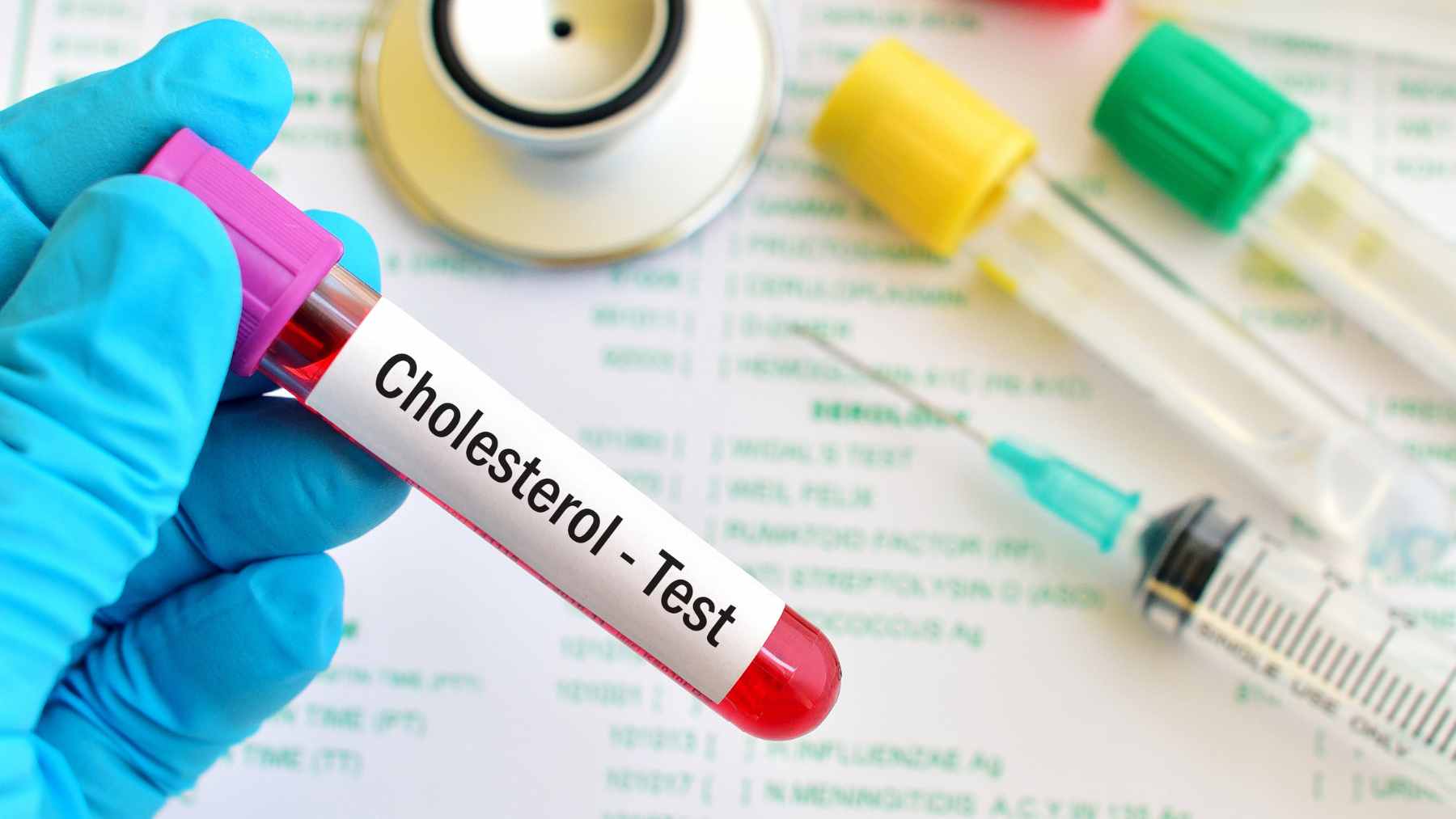
That is why routine blood testing matters. Most healthy adults should have cholesterol checked every four to six years, while people with diabetes, heart disease, or a family history of high cholesterol may need tests more often.
Children should also be checked at least once between ages 9 and 11, and again between 17 and 21. Earlier screening may be recommended when there is a family history of high cholesterol, heart attack, or stroke.
Myths that linger
One stubborn myth is that all cholesterol is bad. It is not. Your body needs cholesterol, but it also needs the right balance between the particles that carry it through the blood.
Another myth is that only people with obesity need to worry. Can a thin person have high cholesterol? Yes. Genetics, smoking, diet, diabetes, certain medicines, and low activity can all play a role.
Food labels can also mislead people. A product marked “cholesterol-free” may still contain saturated fat or trans fat, which can push LDL higher. In practical terms, the front of the package does not tell the whole story.
Genes can change the picture
For some families, cholesterol is not mainly about fries, butter, or skipping the gym. Familial hypercholesterolemia is an inherited condition that causes very high LDL from an early age and raises the chance of early coronary artery disease.
In adults, LDL over 190 mg/dL can be one sign of this inherited disorder. In children, LDL over 160 mg/dL may raise concern, especially when relatives had early heart disease.
Lifestyle still matters in these cases, but it may not be enough. Medicines such as statins are often needed, and early treatment can sharply reduce the long-term risk of coronary artery disease.
What helps lower LDL
The most practical steps are familiar, but they still count. Eat more fiber-rich foods such as beans, fruits, vegetables, oats, and whole grains. Cut back on red meat, butter, full-fat dairy, and highly processed snacks when they are frequent habits.
Exercise also helps, especially when it becomes part of the week instead of a short burst of guilt after a doctor visit. Adults are advised to get at least 150 minutes of moderate-intensity activity each week, plus two days of muscle-strengthening work.
Giving up smoking is another major piece. It can lower HDL and damage blood vessels, which makes cholesterol problems more dangerous. That’s where small daily choices start to matter.
The bottom line
A cholesterol test is not just a number on a lab report. It is a snapshot of how blood fats, family history, age, blood pressure, smoking, and other risks fit together.
For the most part, prevention means knowing your numbers before trouble appears. High cholesterol may be silent, but it is also measurable, manageable, and often treatable.
The main official guidance used for this article has been published by the Centers for Disease Control and Prevention, Mayo Clinic, MedlinePlus, and Fundación Española del Corazón.