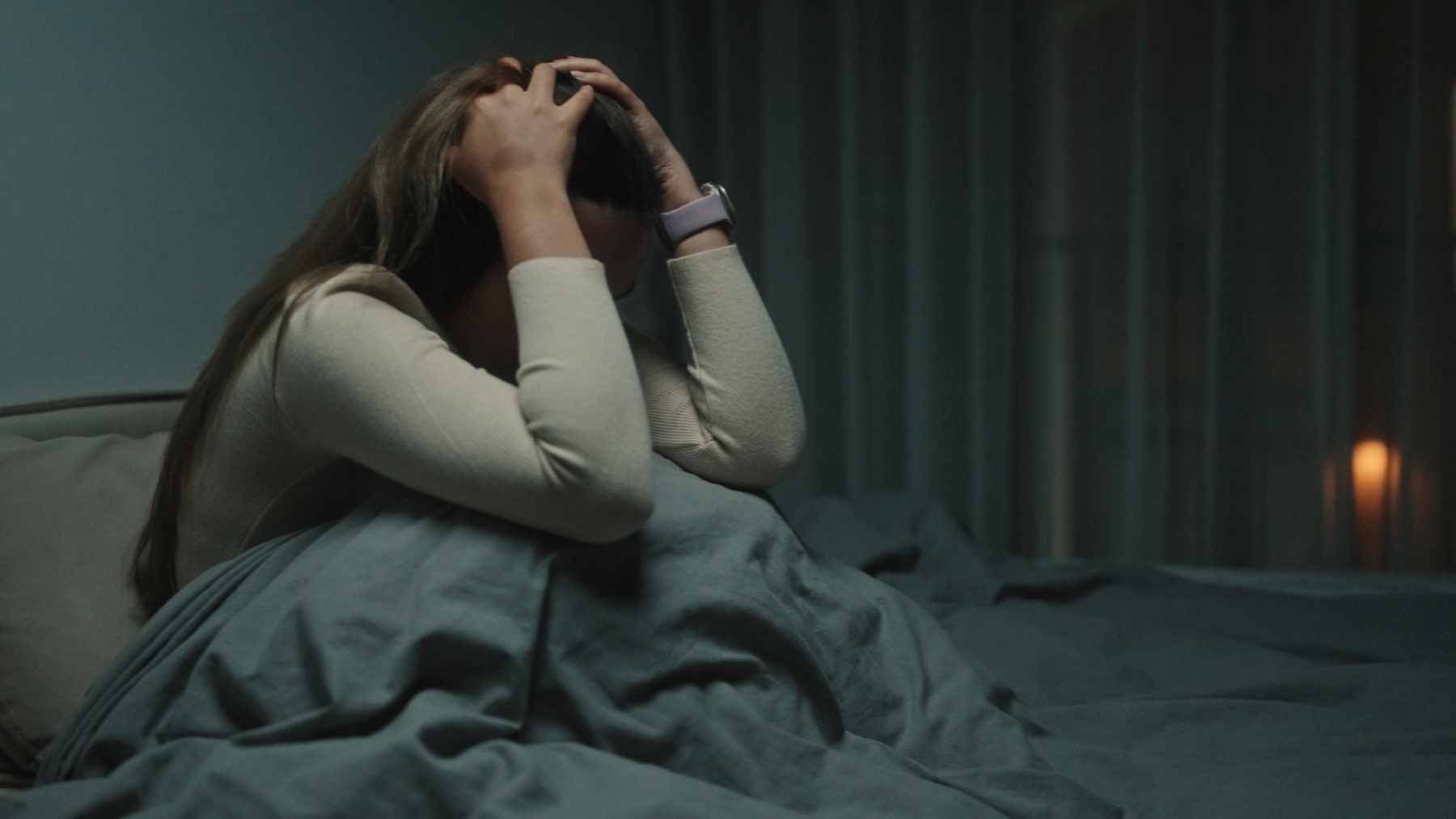
Spanish psychiatrist Marian Rojas Estapé has put a sharp phrase on a feeling many people know too well. “Permanent anxiety is the sliding door to depression,” she says, arguing that long periods of living on alert can help push some people toward a deeper mental health crisis.
Her warning is landing as youth mental health keeps moving into prime-time discussion. La Sexta premiered the three-part documentary series Vulnerables on April 5, focusing on young people from ages 12 to 19 and naming the psychiatrist as an adviser, executive producer, and expert voice in the project.
An alarm that stays on
Cortisol is a hormone the body releases when it senses danger. It is useful in a real emergency, like jumping out of the way of a car, because it helps the body react quickly.
The trouble starts when the alarm keeps ringing. In her book Cómo hacer que te pasen cosas buenas, the psychiatrist explains how the brain responds to stress, threat, overstimulation, and the pressures of digital life, while urging readers to understand their emotions in practical terms.
That is where her warning about anxiety and depression fits. She links many depressive states to long stretches of tension, childhood trauma, and inflammation, while using the phrase “cortisol intoxication” to describe what constant stress may do to the body.
Anxiety is more than worry
The National Institute of Mental Health says occasional anxiety is a normal part of life. But anxiety disorders are different because the fear does not go away, appears in many settings, and can get worse over time.
That distinction matters in everyday life. For a teenager, it may look like a racing heart before class, stomach pain before a test, constant phone checking, or lying awake when everyone else in the house is asleep.
No single symptom proves depression is coming. Still, a body stuck in alert mode is not just “being dramatic.” It can become a draining routine, like trying to live with a smoke alarm chirping in the next room.
Depression affects the whole day
Depression is more than feeling sad after a bad week. Federal health guidance describes it as an illness that can cause severe symptoms affecting sleep, eating, work, school, thinking, and daily routines.
That makes the sliding-door image easy to understand. Anxiety can keep a person braced for danger, while depression can make even ordinary tasks feel heavy, slow, or pointless.
This is also why the conversation should not stop at mood. The CDC says mental and physical health are closely linked, and that depression can raise the risk of chronic conditions such as diabetes, heart disease, and stroke.
Inflammation is part of the debate
Inflammation is the body’s defense response when it is hurt or fighting infection. In short bursts, it helps protect us. When it lingers, researchers are studying whether it may also play a role in depression for some patients.
A University of Bristol led pilot randomized clinical trial tested tocilizumab, an immune-system drug used for rheumatoid arthritis, in 30 adults with difficult-to-treat depression.
The early results suggested possible improvements in depression symptoms, fatigue, anxiety, and quality of life, but the researchers stressed that the study was small.
The work does not mean anti-inflammatory drugs are ready to replace standard depression care.
In the published trial, remission was seen in about 54 percent of participants given tocilizumab and about 31 percent of those given placebo, but the authors said larger studies are needed.

The numbers explain the urgency
The World Health Organization reported in 2025 that more than 1 billion people live with mental health disorders worldwide. Anxiety and depressive disorders were described as the most common types among both men and women.
In the United States, CDC data show that 4.8 percent of adults reported regular feelings of depression in the 2024 National Health Interview Survey. That may sound small at first, but across a country, it represents millions of people dealing with the weight of symptoms day after day.
These numbers are not meant to frighten families. They are a reminder that anxiety and depression are common enough to deserve plain language, early attention, and less shame.
Sleep, food, and movement still matter
The psychiatrist’s practical starting point is familiar, but not trivial. Sleep well, eat in a healthy way, and move your body. It sounds simple, almost too simple, until you remember how fast those habits collapse during exams, work pressure, family conflict, or endless scrolling at midnight.
These habits are not a cure for clinical depression. They are the floor, not the whole house. People with severe symptoms, self-harm, or thoughts of suicide need trained help, not just a better bedtime.
At the end of the day, the message is not that cortisol explains everything. It is that chronic anxiety can be a warning light, and the earlier someone pays attention, the better chance there is to step away from that sliding door.
The main work referenced in this article has been published by Espasa.