Five cattle left behind on Amsterdam Island in 1871 did something that sounds almost impossible. Stranded on a windy, remote speck of land in the southern Indian Ocean, they survived, bred, and turned into a wild herd that lasted for more than a century.
Now, DNA from that lost herd is rewriting the story. The cattle did not appear to shrink quickly because island life forced them to, as one earlier idea suggested. Instead, they likely arrived already small, with a mixed genetic background that gave them a better shot at survival from day one.
A tiny herd, a harsh island
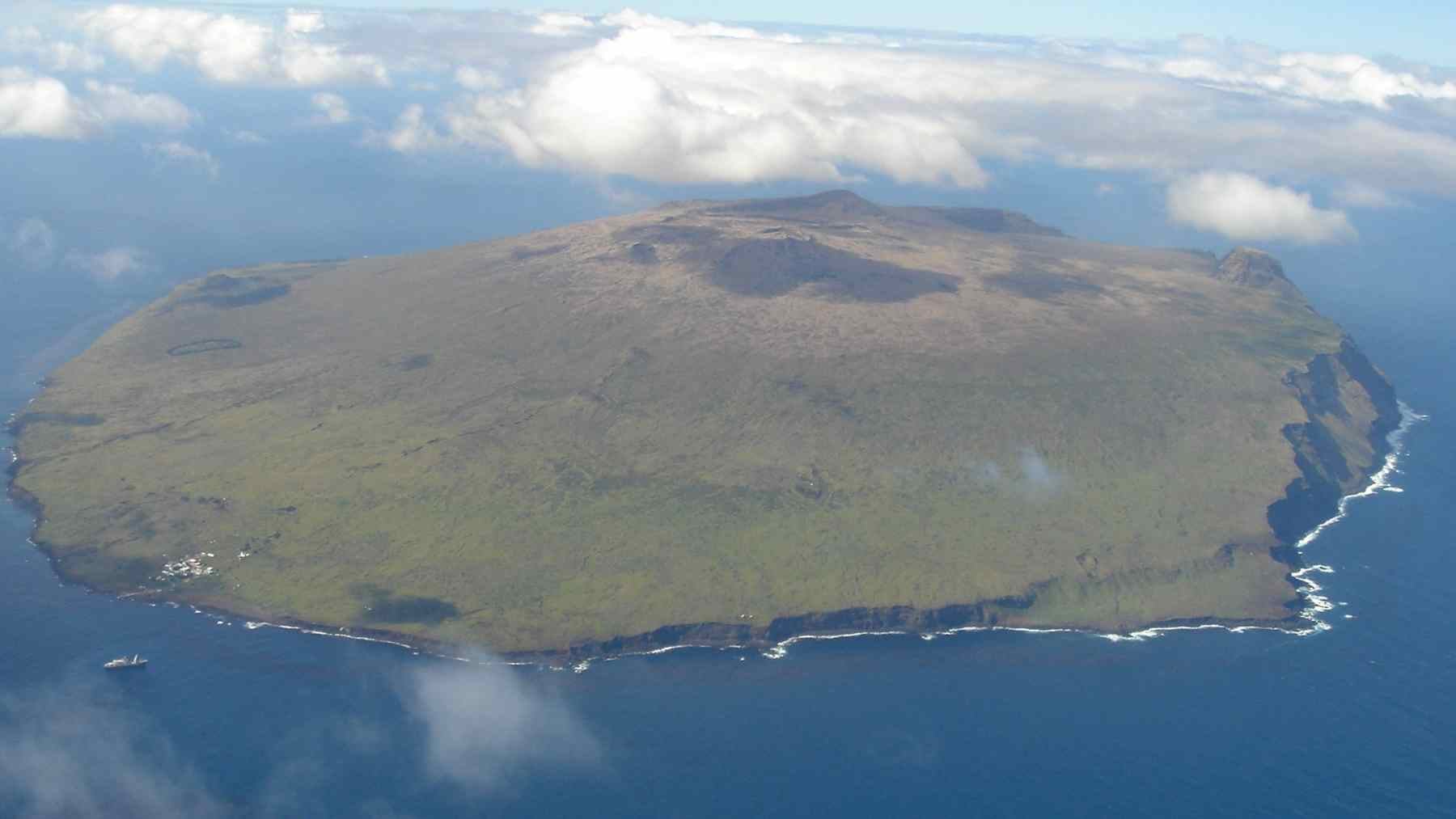
Amsterdam Island is only about 21 square miles, and it sits roughly 2,760 miles southeast of Madagascar. Historical records say a French farmer from Réunion Island introduced five cattle there in 1871, then abandoned them when the settlement failed.
That would be a brutal place to leave domestic animals. The island is remote, wet, cold, and exposed to powerful winds, with limited fresh water and few comforts of the farmyard we usually picture when we think of cattle.
DNA changed the old story
Geneticist Mathieu Gautier led the study with colleagues from INRAE and the University of Liège. The team worked with preserved DNA from 18 cattle sampled in 1992 and 2006, using genotyping for all 18 and whole genome sequencing for eight of them.
Whole genome sequencing means reading nearly all of an animal’s genetic instruction book, not just a few selected pages. MedlinePlus Genetics explains that this method can identify variations across the genome, including areas older tests might miss.
What did that genetic record show? About three quarters of the herd’s ancestry traced to European taurine cattle related to today’s Jersey breed, while the rest came from Indian Ocean zebu cattle linked to Madagascar and Mayotte.
The dwarfism idea gets a test
A 2017 Scientific Reports study by Roberto Rozzi and Mark V. Lomolino had argued that the Amsterdam Island cattle were a fast case of island dwarfism. That is the idea that large animals on islands can evolve smaller bodies, often because space, food, and predators differ from the mainland.
The newer DNA work challenges that reading. Researchers found that the cattle’s size fit with Jersey and zebu ancestry, meaning the founders may have been small from the beginning rather than rapidly shrinking after isolation.
That matters because it changes the lesson of the herd. This was not just a story about island life reshaping cattle at high speed. It was also a story about hidden ancestry, lucky preparation, and a few animals carrying more useful variation than their number suggested.
How five became thousands
Starting a population from five animals creates what scientists call a genetic bottleneck. In plain language, that means nearly every calf inherits from the same tiny pool of ancestors, which can raise the risk of harmful traits showing up.
And yet, the herd grew fast. The official study says the population reached peaks of about 2,000 animals in both 1952 and 1988, even after disease and later culling caused sharp drops.
The DNA still showed high inbreeding, near levels often seen in endangered or recently recovered mammal populations. But the researchers did not find the severe collapse in genetic diversity many people might expect after such an extreme start.
Survival may have started before arrival
The cattle’s European ancestry may have done more than explain their small bodies. The study found that the climate linked to Jersey and nearby regions was relatively close to Amsterdam Island’s conditions, suggesting the animals were partly preadapted before they arrived.
That word, preadapted, simply means they already had traits useful in the new place. In practical terms, the founders may have been better suited to cold, wind, and wet ground than a random group of cattle would have been.
There may also have been behavioral changes as the animals turned feral. The genome scan found signals near genes tied to nervous system function, which the authors linked to rapid feralization and social changes inside the herd.
Why the cattle were removed
The herd was scientifically valuable, but it was also damaging a fragile ecosystem. A 1995 Biological Conservation paper by Thierry Micol and Pierre Jouventin described Amsterdam Island as rich in endemic species and said the cattle had become the main threat to endangered native life by 1988.
A fence divided the island, and cattle were cleared from the larger section so native habitats could recover. At the time, managers tried to balance two hard things, protecting a rare feral herd and saving species that lived nowhere else.
The Agreement on the Conservation of Albatrosses and Petrels later reported that the last feral cattle on Amsterdam Island were killed in 2010. UNESCO added the French Austral Lands and Seas, which include Amsterdam Island, to the World Heritage List in 2019.
A lesson from frozen samples
Here is the twist. The herd was gone, but its DNA was not. Because samples had been saved before eradication, scientists could still reopen the case years later and ask better questions with better tools.
That is the quiet power of biological archives. A few frozen samples can keep a vanished population from becoming a dead end, especially when science improves and old assumptions begin to wobble.
The official study has been published in Molecular Biology and Evolution.