Going to the dentist can still feel like a small childhood fear brought into adulthood. The smell, the scraping sound, the long minutes with your mouth open, and that sore feeling afterward are enough to make many people delay care.
Now, researchers are exploring a different way to deal with gum inflammation. Instead of blasting oral bacteria with antibiotics, the idea is to interrupt the messages that help harmful plaque communities organize and grow.
The early work does not replace a dentist, but it could point toward more personalized and less disruptive treatments.
Gum disease is more than bleeding gums
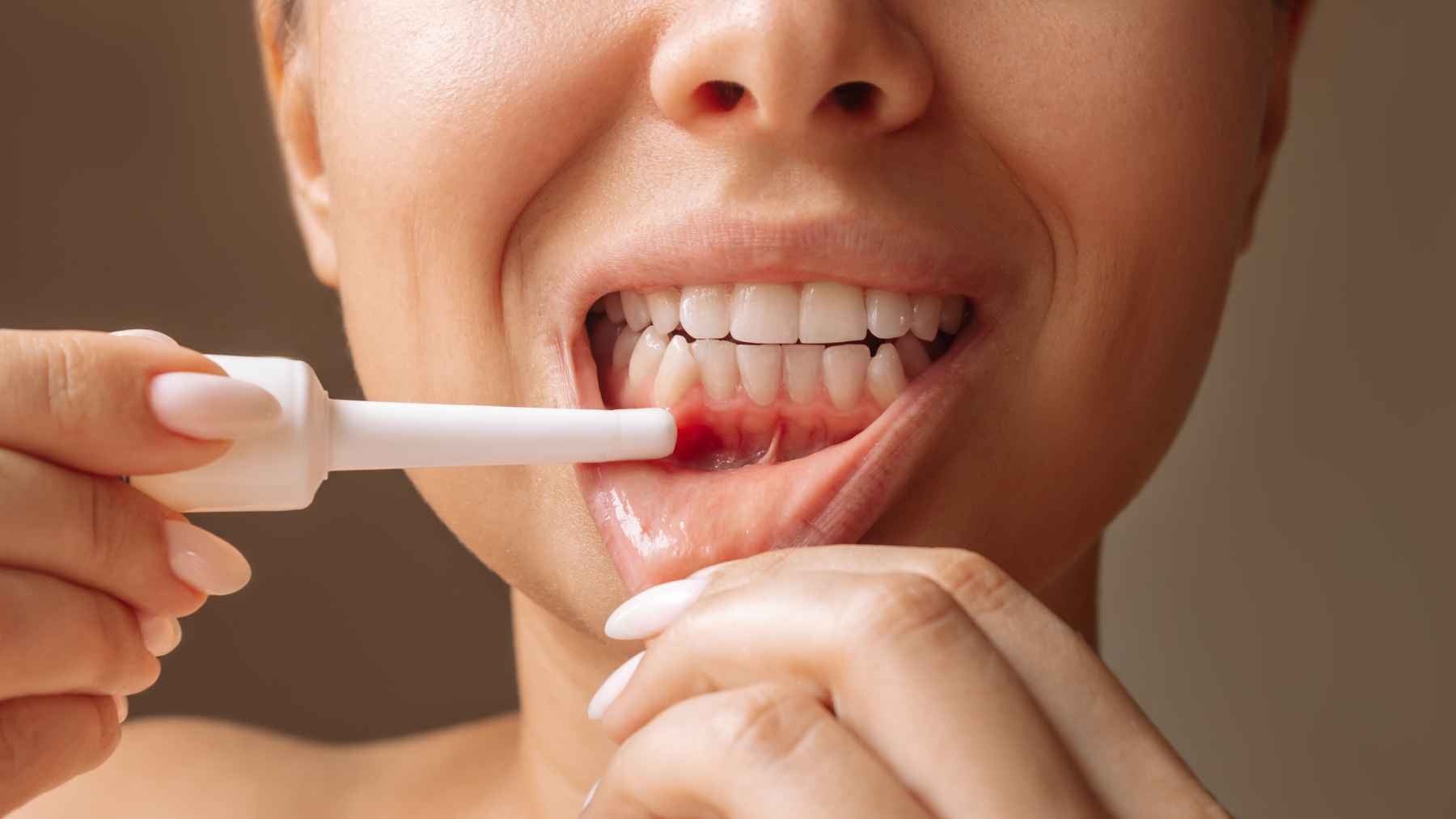
Gum disease starts with inflammation, but it can become much more serious if it moves deeper. The CDC says periodontal disease involves inflammation and infection of the gum and bone around teeth, and periodontitis can lead to bone loss that cannot be fully reversed.
It is also common. About 4 in 10 U.S. adults age 30 or older had some level of periodontitis in federal survey data, and the share rises with age. That’s a lot of people dealing with bleeding gums, loose teeth, painful chewing, or dental visits they would rather avoid.
Bacteria talk before plaque turns dangerous
The new research comes from Rakesh Sikdar and Mikael H. Elias, working with colleagues at the University of Minnesota Twin Cities College of Biological Sciences and School of Dentistry. Their focus was not a new antibiotic, but the chemical “chatter” that bacteria use to coordinate behavior inside dental plaque.
That chatter is known as quorum sensing, a kind of group messaging system. In this case, the team studied signal molecules called AHLs, which some bacteria use to influence biofilm formation, virulence, and resistance.
In plain English, biofilm is the sticky community that forms on teeth when bacteria settle in together.
A possible way to interrupt plaque
The researchers studied a lab-grown oral microbial community made from human dental plaque.
They found that AHL signals appeared under oxygen-containing lab conditions but not under low-oxygen conditions, which matters because plaque can have very different oxygen levels above and below the gumline.
Then they used lactonases, enzymes that break down AHL signals. One enzyme reduced detected AHL activity by about 86 percent, while another reduced it by about 49 percent.
The treatments also shifted the plaque community toward early colonizers and health-associated bacteria, rather than the late colonizers linked to periodontal disease.
Oxygen changes the story
One of the most important findings was that oxygen seemed to change how bacterial messages worked. “Oxygen availability changes everything,” Sikdar said in the university release. That’s a simple line, but it carries a big idea for dentistry.
Above the gumline, interrupting AHL signals appeared to favor bacteria often found in healthier plaque. Under low-oxygen conditions, adding AHL signals promoted some late colonizers associated with periodontal disease. So the mouth is not one flat surface, it is more like a neighborhood with different zones.
Why antibiotics are not the whole answer
Antibiotics can help some patients with gum disease, especially when used with professional treatment. The American Dental Association says scaling and root planing, the deep cleaning used to remove plaque and tartar from below the gumline, remains the treatment of choice for periodontitis.
But antibiotics come with tradeoffs. A review of metronidazole and amoxicillin in periodontal treatment found diarrhea and metallic taste were reported more often with antibiotics than placebo, and a 2023 mouse study in International Journal of Oral Science warned that long-term systemic antibiotics can disturb gut and oral microbes and worsen experimental periodontitis.
Toward more personal care
The Minnesota work suggests a more targeted future. Instead of trying to kill everything, dentists might one day map the problem areas, understand whether they are oxygen-rich or oxygen-poor, and use enzymes to steer plaque back toward a healthier balance.
That is not ready for the dental chair yet. The study was done in the lab, not as a patient trial, and the researchers say more work is needed in people with different stages of periodontal disease. Still, the direction is clear enough to be interesting.
What happens next
At the end of the day, this research is trying to treat the mouth less like a battlefield and more like an ecosystem. Elias described the future goal as preventing disease “not by waging war on all oral bacteria,” but by keeping the microbial balance healthier.
That could matter for anyone who has postponed a dental visit because of pain, cost, or dread. A gentler, more precise approach would not erase brushing, flossing, checkups, or professional cleaning, but it could someday give dentists another tool before gum inflammation becomes lasting damage.
The main study has been published in npj Biofilms and Microbiomes.