Hard-boiled eggs look like one of the easiest foods in the kitchen. Boil, cool, peel, eat. What could go wrong?
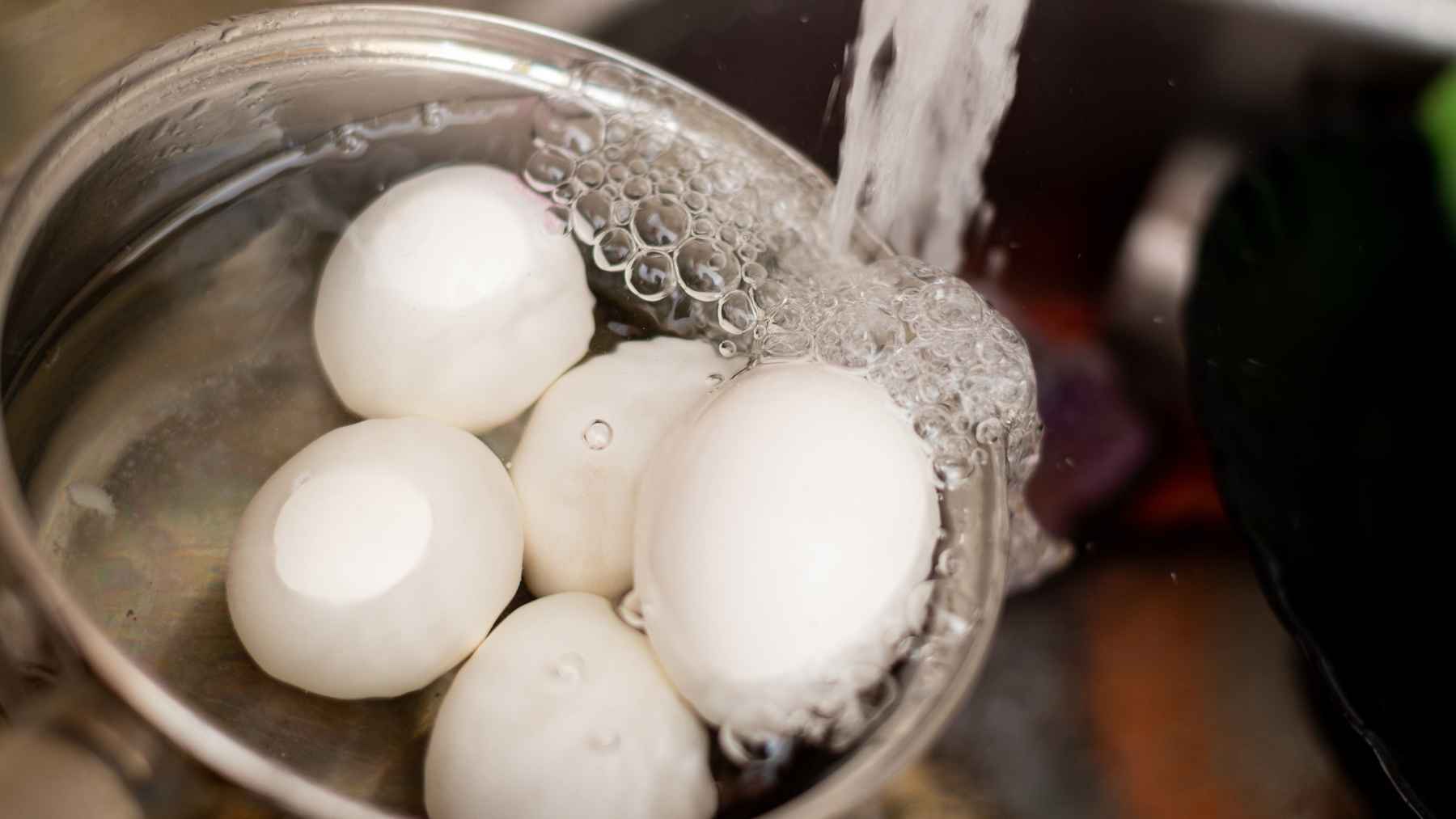
Quite a bit, according to a Feb. 4, 2026 cooking advisory highlighted by the Times of India. The warning is simple enough for any breakfast table, dropping very hot eggs straight into very cold water can make peeling easier, but the sudden shock may also damage the shell and change the final texture.
Why cold shock matters
The issue is called thermal shock, which simply means a fast temperature change. When a just-boiled egg hits icy water, the cooked inside can contract quickly while the shell reacts in its own brittle way.
That can lead to tiny cracks, sometimes too small to notice right away. Once the shell is weakened, water can slip inside and leave the white wetter, looser, or less pleasant to eat. Nobody wants a boiled egg that tastes watery on toast.
Cooling is not the enemy
This does not mean cold water is always bad. The American Egg Board says cooled hard-boiled eggs are easier to peel, allows cooling under cold running water or in ice water, and says shell-on hard-boiled eggs can be refrigerated for up to one week.
The smarter reading is more practical. Do not treat the ice bath like a magic trick. If the eggs were boiling hard, bouncing in the pan, or already cracked, a brutal plunge into ice water may be the last thing they need.
Try a gentler step down
A slower method starts before the sink. Once the eggs are done, turn off the heat and let them sit in the hot water for two or three minutes so the temperature can settle.
Then pour off the hot water and replace it with warm water, not icy water. After that short bridge, move the eggs into cool water just long enough to make them comfortable to handle. It is a small pause, but it can save the shell.
Safety still comes first
There is one line cooks should not cross. The U.S. Food and Drug Administration says cooked eggs and egg dishes should not stay out of the refrigerator for more than two hours, or for more than one hour when temperatures are above 90 degrees Fahrenheit.
That means gentle cooling should never turn into leaving eggs on the counter all afternoon. In practical terms, cool them, dry them, and get them into the refrigerator if they are not being served right away.
Texture and color tell a story
Overcooking is another quiet egg problem. High heat for too long can make whites rubbery and yolks dry, chalky, or sulfur-smelling. That is when a simple lunch starts to feel like cafeteria food.
The greenish ring that sometimes appears around the yolk is unattractive, but Nebraska Extension says it is not harmful. It usually comes from a reaction between sulfur in the white and iron in the yolk, especially when eggs are cooked too long or too hot.
Peeling starts before boiling
Here is the part many people forget. The age of the egg matters before the water ever heats up. Very fresh eggs often cling to the shell, while eggs kept in the refrigerator for about a week are usually easier to peel.
The egg white, also known as albumen, changes as the egg ages. Its bond with the inner membrane weakens, and the air pocket at the wide end gets larger. That is why starting the peel at the wide end often works better.
Hot start or cold start
There is also the old argument over whether eggs should begin in cold water or go into hot water. Many cooks like a hot start because they find it helps the shell loosen more cleanly.
On the other hand, the classic gentler method is to place eggs in water, bring it just to a boil, remove the pan from the burner, and let the eggs finish in hot water. At the end of the day, the best method is the one that avoids rough boiling, cracked shells, and overcooked yolks.
The best egg is the boring one
For egg salad, deviled eggs, lunchboxes, or a quick snack, boring is good. A good hard-boiled egg has a firm white, a fully set yolk, no sour smell, and a shell that stayed mostly intact until you peeled it.
So, should you never use cold water? Not exactly. The better rule is to avoid a sudden icy shock when the eggs are piping hot, then cool them enough for safe handling and refrigerate them promptly.
The main official food-safety guidance has been published by the USDA Food Safety and Inspection Service.