The air fryer earned its place by making crispy food with less oil. The microwave became the everyday hero for leftovers, frozen meals, and last-minute dinners. Now a newer compact infrared cooker is being framed as a possible challenger to both, because it can heat, bake, and grill in one small machine.
That matters for healthy living because the way we cook often shapes what we actually eat. A tool that heats quickly, browns vegetables, and handles lean proteins without a lot of added fat could make home cooking easier on busy nights. Still, no appliance magically turns dinner into a balanced meal.
Why infrared feels different
Infrared cooking uses thermal radiation to transfer heat toward food, instead of relying only on hot air moving around a larger oven cavity. A recent scientific review found that infrared heating can offer shorter processing times, high heat transfer rates, compact equipment, and lower energy use in food applications, depending on the setup and the food being cooked.
In practical terms, that could mean faster roasted vegetables, crispier reheated pizza, or a piece of fish that cooks without waiting for a full-size oven to preheat. Anyone who has stood in a warm kitchen on a sticky summer evening knows why that sounds appealing.
The microwave is not the villain
For years, the microwave has been surrounded by strange myths. The FDA says microwave ovens are generally safe when used correctly, and that microwave energy does not make food “radioactive” or “contaminated.”
Microwaves also have real nutritional advantages. Because they often cook food quickly and without much added water, the FDA notes that microwave cooking does not reduce the nutritional value of food more than conventional cooking and may help preserve some vitamins and minerals.
But the microwave has one obvious weakness. It reheats and steams well, but it usually does not brown, crisp, or grill food in the way many people want at dinner.
Why air fryers changed the game
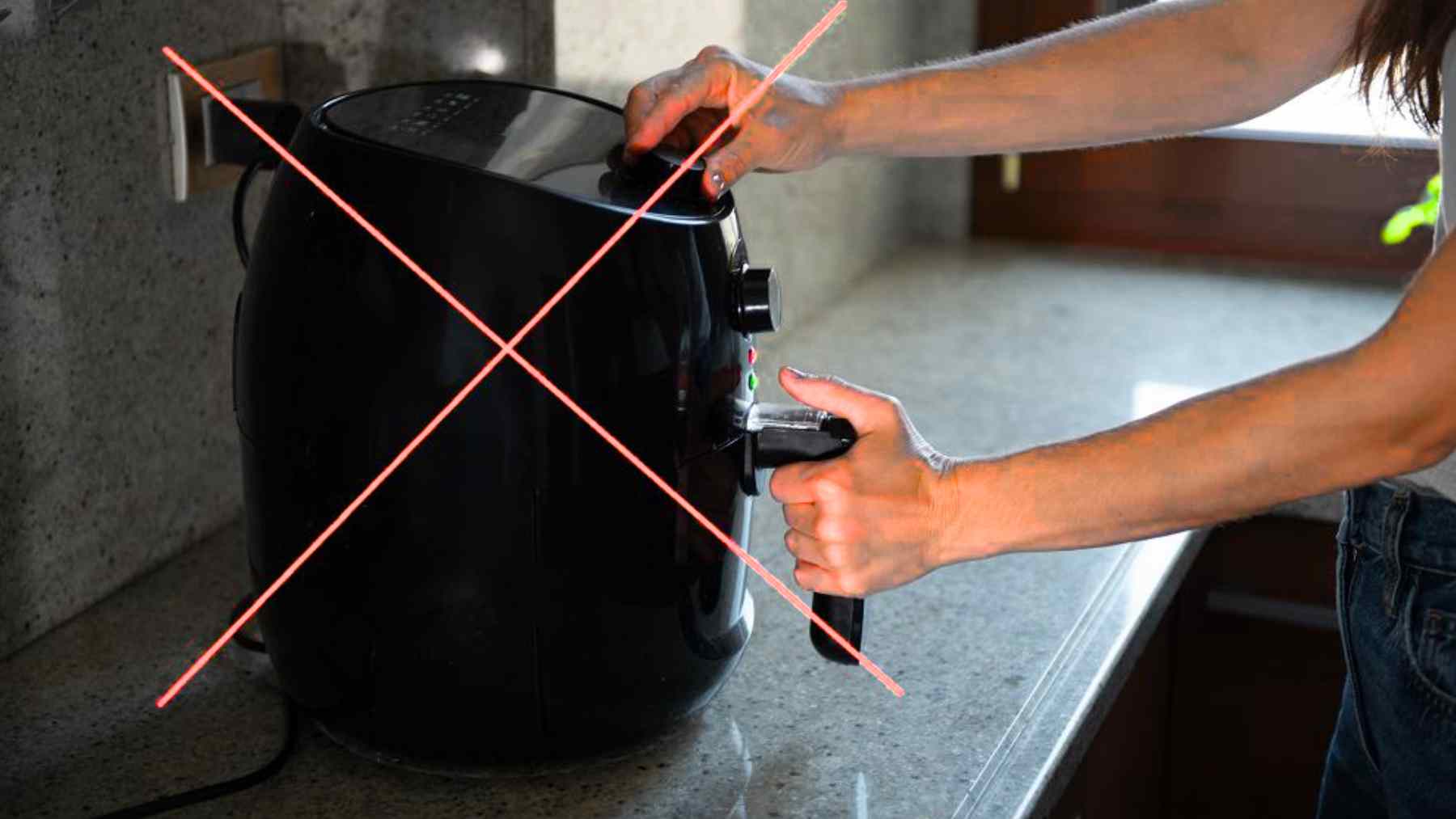
Air fryers became popular because they gave home cooks a way to get a fried-style texture without dunking food in oil. That helped many people cut back on heavy deep-fried meals while still keeping a familiar crunch.
The new infrared cooker is trying to move into that same space, but with a broader promise. Instead of choosing between a microwave for speed and an air fryer for texture, the idea is to use one compact appliance for several common cooking jobs.
That sounds simple. For small kitchens, it also means less clutter on the counter and fewer gadgets competing for the same outlet.
The health promise has limits
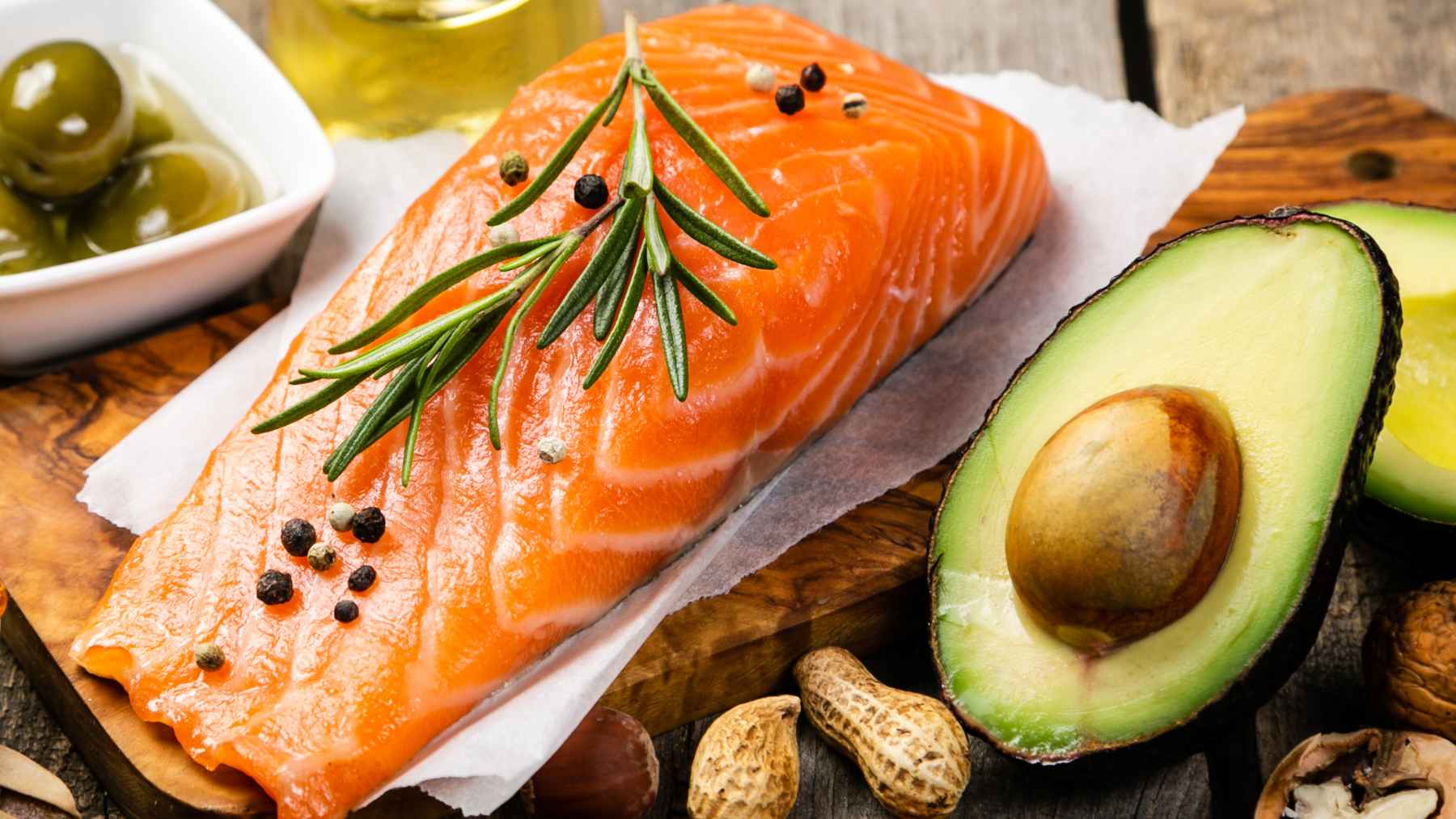
Here is the catch. A healthier meal still depends mostly on the ingredients, not the machine. Roasted broccoli, salmon, tofu, chicken breast, or sweet potatoes can fit beautifully into a balanced plate, while ultra-processed frozen snacks are still ultra-processed frozen snacks.
Food safety matters too. FoodSafety.gov says raw meat, poultry, seafood, and other foods should be checked with a food thermometer, and leftovers should be reheated to 165°F. Chicken and turkey should also reach 165°F, while many fish should reach 145°F or cook until the flesh is opaque and separates easily with a fork.
So sensors and smart programs may help, but they should not replace common sense. The safest habit is still checking doneness, especially with meat, poultry, seafood, casseroles, and leftovers.
Energy and space matter
The biggest practical advantage may not be glamour. It may be the electric bill, the counter space, and the simple question of whether dinner feels doable after a long day.
Infrared heating can be more targeted than some traditional cooking methods, and the scientific review points to low energy consumption and high efficiency as potential strengths of the technology. But real savings will depend on the model, the recipe, the cooking time, and how often it replaces a larger oven.
That nuance matters. A compact infrared oven may be useful, but it is not automatically better for every kitchen or every meal.
What to check before buying
Capacity should come first. A tiny cooker may be perfect for one or two people, but frustrating for a family dinner if it only fits a small tray.
Controls matter as well. Look for clear temperature settings, easy cleaning, a manual that explains safe use, and enough space to cook food evenly without crowding. If the appliance has sensors, treat them as helpful tools, not as a guarantee.
A good everyday test is simple. Can it help you cook more vegetables, lean proteins, whole grains, and leftovers with less fuss? If yes, it may earn its spot.
A realistic kitchen upgrade
The new infrared cooker is not the end of the microwave or the air fryer. More likely, it is another sign that home cooking is moving toward smaller, faster, multi-use tools.
That could be good news for anyone trying to eat better without turning dinner into a project. The best appliance is the one that helps you cook real food more often, with less stress and fewer excuses.
The scientific review was published on ScienceDirect.