Psychology suggests that people who wash dishes as they cook are not only more organized, but have often developed a subtle form of mental organization that helps them prevent chaos before it sets in

Published On: May 22, 2026 at 6:41 AM
Follow Us
Psychology suggests that people who wash dishes as they cook are not only more organized, but have often developed a subtle form of mental organization that helps them prevent chaos before it sets in

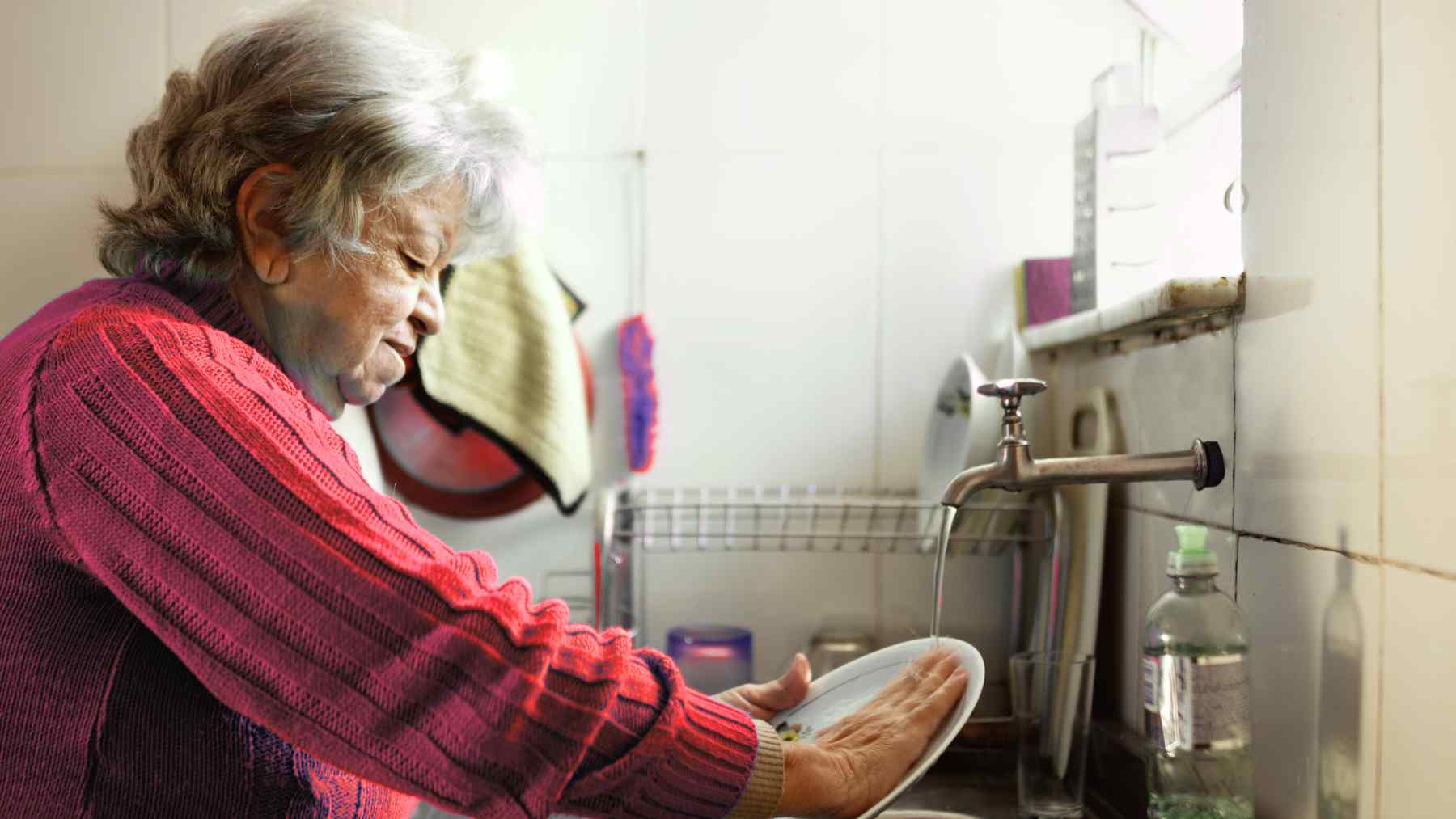
Some people finish dinner with a full sink waiting for them. Others rinse, scrub, and put things away while the food is still on the stove. It may look like a small kitchen habit, but it often says something about how a person handles everyday life.

Washing dishes while cooking is commonly linked to organized, practical people who like to use their time well. It can also reflect a need for order, a sense of control, and a desire to make the final cleanup feel less overwhelming.

A habit built on order

For many home cooks, a clean counter is not just about appearances. It helps them think clearly while they move from one step to the next.

When someone washes dishes as they cook, they are often trying to prevent clutter before it becomes a problem. A used cutting board, a mixing bowl, or a greasy pan does not sit there for long.

That small action can make the whole kitchen feel calmer. And when dinner is ready, the person is not staring at a pile of plates, utensils, and pans.

Why it feels efficient

Cooking already involves timing. Water boils, oil heats up, and vegetables can go from crisp to burned faster than expected.

That is why some people use quiet moments to clean. While something simmers or bakes, they wash a few dishes instead of scrolling on their phone or waiting around.

In practical terms, that means less work after eating. The reward is simple, but it matters after a long day.

Control in a busy kitchen

There is also a psychological side to this habit. Washing dishes while cooking can give a person the feeling that everything is under control.

That does not mean they are rigid or obsessed with cleanliness. For the most part, it means they prefer to manage small tasks before they stack up.

Who has not felt a little discouraged after seeing a sink full of dishes right after dinner? For some people, cleaning along the way avoids that moment entirely.

Cleanliness also plays a role

Hygiene is another reason this habit matters. Dirty dishes, food scraps, and sticky surfaces can make a kitchen feel unpleasant very quickly.

By cleaning while cooking, a person reduces mess and keeps the workspace easier to use. It also helps separate finished food from dirty tools.

This is especially useful in a small kitchen, where one cluttered counter can make everything feel cramped. Sometimes, order is not about perfection. It is about having enough room to breathe.

What the habit says about someone

At the end of the day, washing dishes while cooking usually points to a practical mindset. These people often value efficiency, comfort, and a tidy home environment.

It can also show that they care about how a space feels, not just how it looks. A neat kitchen can make cooking less stressful and eating more enjoyable.

So, is this just a chore? Not really. It is a small routine that can reveal a lot about how someone approaches daily tasks, one dish at a time.

The main study related to home clutter and stress was published in Personality and Social Psychology Bulletin.



Author Profile

Sonia Ramirez

Journalist with more than 13 years of experience in radio and digital media. I have developed and led content on culture, education, international affairs, and trends, with a global perspective and the ability to adapt to diverse audiences. My work has had international reach, bringing complex topics to broad audiences in a clear and engaging way.

Related Posts

Older parent over 70 sitting in silhouette by a window, reflecting on feeling less needed by adult children.

Most people don’t realize that many parents over the age of 70 don’t feel lonely because their children love them any less; they often experience a more subtle kind of loss: they no longer feel needed in the daily lives of their loved ones

May 21, 2026 at 8:31 AM
Large sculpture of Confucius inside a gallery as a visitor photographs the ancient Chinese philosopher

Confucius, the most influential thinker and philosopher of ancient China: “Old age is a good and pleasant thing. It is true that you are gently ushered off the stage, but then you are offered a seat in the front row as a spectator—one that is just as comfortable”

May 20, 2026 at 4:08 PM
Psychology suggests that when a woman decides to go out without makeup, it doesn’t necessarily mean she’s “neglecting” herself; it’s often a choice between comfort and authenticity, on the one hand, and the exhaustion that comes from conforming to beauty standards that others continue to confuse with self-worth, on the other

Psychology suggests that when a woman decides to go out without makeup, it doesn’t necessarily mean she’s “neglecting” herself; it’s often a choice between comfort and authenticity, on the one hand, and the exhaustion that comes from conforming to beauty standards that others continue to confuse with self-worth, on the other

May 20, 2026 at 5:02 AM
Black-and-white photo of children in a snowy street building a snowman, reflecting independent 1960s-style childhood play

If you grew up in the 1960s, you might remember being told to stop crying, go outside, and “work it out” on your own. A recent report argues that this hands-off style did not just make people “tough” it built a specific kind of resilience that is getting harder to find today.

May 19, 2026 at 10:14 AM
Woman looking over her shoulder while backing into a parking space, illustrating research on reverse parking and safety

Psychology suggests that people who park in reverse aren’t necessarily more successful; in many cases, they’ve simply developed a practical way of anticipating situations that reduces risks without turning that habit into a secret test of character

May 18, 2026 at 9:06 AM
Yellow boots at a crosswalk as a pedestrian pauses before crossing, symbolizing a quick thank-you gesture and mindfulness.

Psychology suggests that people who make a small gesture of gratitude when crossing a crosswalk are not only being polite, but are often practicing a simple, everyday form of empathy, mindfulness, and connection that can help alleviate the stress of the moment

May 18, 2026 at 6:40 AM

Leave a Comment