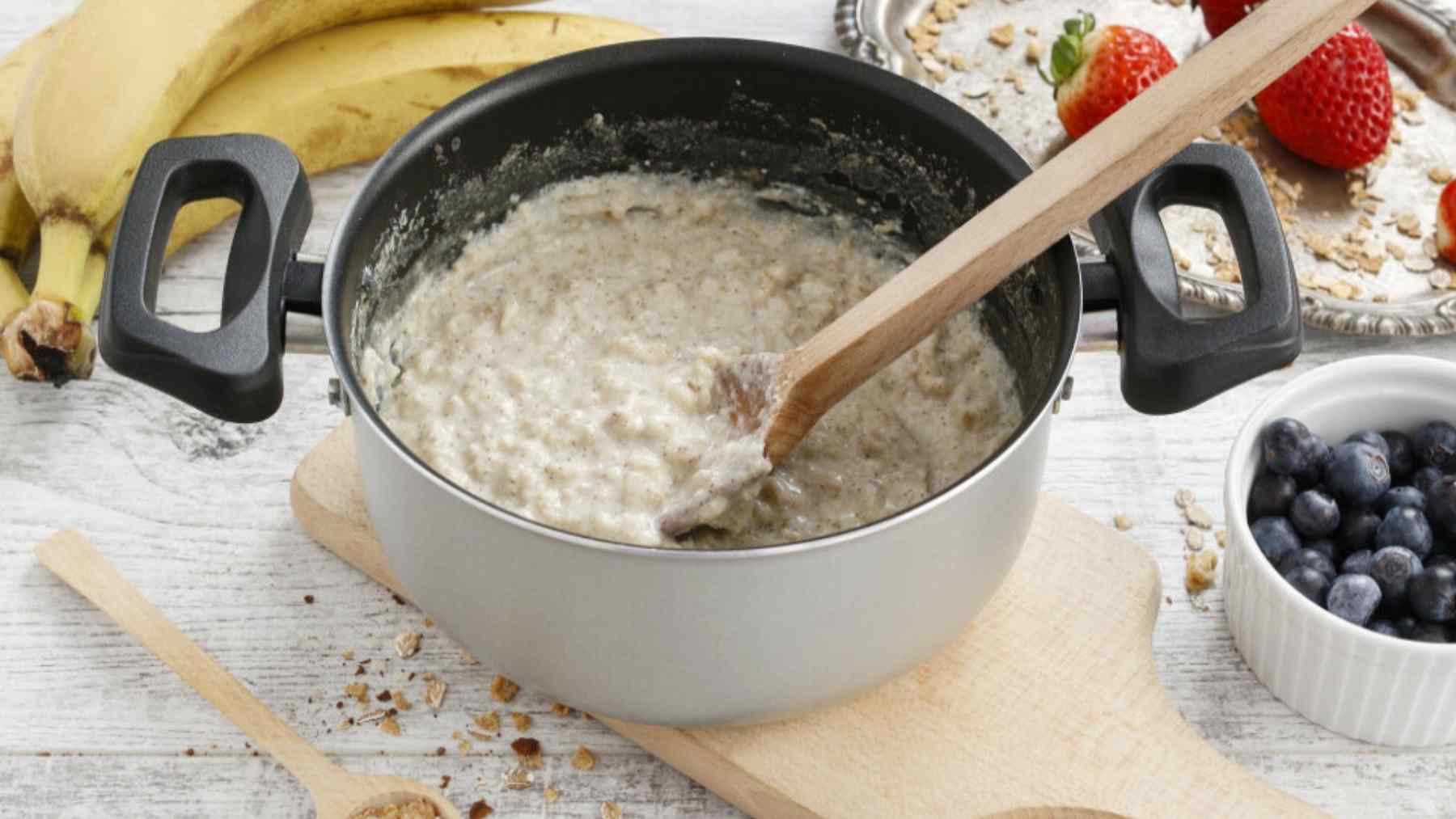
MOMA Foods has recalled a wide range of porridge pots, sachets, jumbo oats, and overnight oats after UK food regulators warned that some products may contain mouse contamination.
The latest Food Standards Agency update says the recall covers affected products with best before dates from April 24, 2026, through March 12, 2027, meaning some packs could still be sitting unopened in pantry shelves.
For shoppers, the main takeaway is straightforward. Do not eat the products, even if they look and smell normal, because contamination linked to rodents is not something a quick glance can rule out.
This is not a story about oats suddenly becoming unhealthy. It is a reminder that safe food depends on clean manufacturing, clear recalls, and a little pantry detective work at home.
What the recall covers
The FSA update, last revised on March 28, 2026, expanded earlier recall information and says the products were recalled because of possible mouse contamination at the manufacturing site. It also corrected the listing for one Almond Butter & Salted Caramel 8-pack that had been included in error.
The affected products include porridge pots in flavors such as apple, cinnamon and brown sugar, banana and peanut butter protein, blueberry and vanilla, cranberry and raisin, golden syrup, and plain no-added sugar.
The list also includes sachets, Jumbo Oats, and Raspberry & Apple Overnight Oats. In U.S. measurements, the individual pots are about 1.9 to 2.5 ounces, the oat bag is about 15.9 ounces, and the overnight oats pack is about 14.1 ounces.
On MOMA’s own safety notice, the company says the recall applies to all MOMA porridge and cereal products with a best before date between April 24, 2026, and March 12, 2027. The code is stamped on the base of porridge pots or on the back of boxes.
Why a mouse warning is taken seriously
Mouse contamination may sound like a warehouse problem, but it becomes a health issue when it reaches food. The CDC says rodents can spread diseases through droppings, urine, and saliva, including when food is contaminated with rodent waste.
That does not mean every pack will make someone sick. Still, food safety works on prevention, not on gambling with breakfast. Packaged food is supposed to be sealed, clean, and safe before it hits the kitchen counter.
The FDA also warns that food products exposed to filth, rats, mice, and other rodents can make people or family members sick. That is why regulators do not ask shoppers to inspect affected food at home. They tell them not to eat it.
How the contamination issue emerged
According to the original report, MOMA said it opened an investigation after one consumer report about a “potential contamination issue.” The company said a third-party manufacturer told it on March 20 that a “mouse contamination event” had occurred in autumn 2025.
The company also said it had received only one consumer report to date and was recalling batches produced during the relevant timeframe as a precaution. It declined to name the third-party manufacturer but said manufacturing at that site had been paused while audits are carried out.
This timing is the part that may catch shoppers off guard. A product bought weeks ago can still matter today, especially if it is the kind of breakfast cup kept in a desk drawer, gym bag, dorm room, or office kitchen.
What to do if you have one
The official advice is simple. Do not eat any affected item, and return it to the store where it was purchased for a full refund. MOMA says customers who bought affected products through its website can contact the company directly, and the FSA lists getintouch@momafoods.co.uk for questions.
After handling a recalled product, it is a good idea to wash your hands and clean any surface where the package was opened or stored. The CDC says handwashing with soap and water is one of the easiest ways to stop germs from spreading around the kitchen while handling and preparing food.
If someone already ate an affected product, there is no need to panic. But anyone who develops concerning symptoms, especially vomiting, diarrhea, fever, severe stomach pain, dehydration, or symptoms that do not improve, should contact a medical professional.
Children under 5, adults 65 and older, pregnant people, and people with weakened immune systems are at higher risk for severe foodborne illness, according to the CDC.
Oatmeal is still a healthy breakfast
It would be easy to read a recall like this and side-eye every bowl of oatmeal. That is not the takeaway. Oats remain a useful breakfast staple for many people because they are filling, affordable, and easy to pair with fruit, nuts, yogurt, or milk.
The problem here is not the porridge habit. It is the possibility that some products were exposed to an unsafe condition before reaching the customer. At the end of the day, a good recall is supposed to move quickly, pull risky food out of circulation, and give shoppers clear instructions.
For families, that means checking labels before the morning rush. For retailers, it means notices in stores and online. For manufacturers, it means proving the issue is fully resolved, not just patched over.
The bottom line
The smartest move is to treat the recall like any other food safety warning. If the brand, product type, and best before window match, do not taste it, cook it, donate it, or keep it just in case.
Porridge is supposed to be the easy part of the morning. This week, the safer breakfast choice starts with checking the package.
The official recall notice was published on Food Standards Agency.