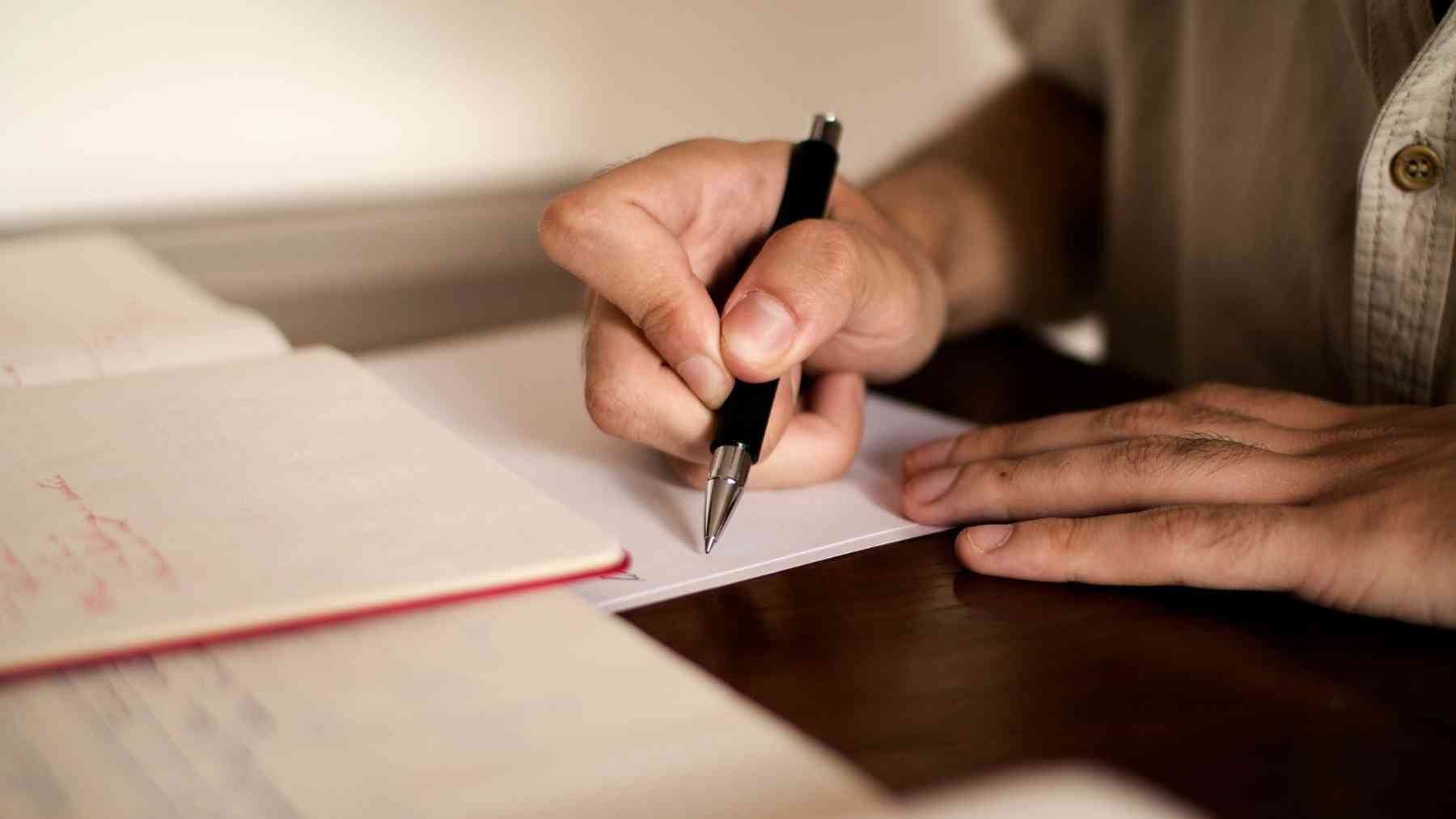
Have you ever noticed the person in a meeting who reaches for a notebook while everyone else opens a laptop? At first glance, it can look old-fashioned. But that small habit may be doing something surprisingly useful for attention, memory, and mental clarity.
In a world built around speed, handwriting slows the mind down just enough to make it listen. Recent brain research suggests that forming letters by hand can activate wider networks tied to movement, vision, sensory processing, and memory than typing the same words on a keyboard. That does not mean keyboards are bad. It means paper may still have a place in a healthy thinking routine.
What handwriting does to the brain
Researchers at the Norwegian University of Science and Technology studied 40 university students in their early twenties. Usable brain data from 36 students were analyzed while they wrote words by hand with a digital pen or typed them on a keyboard. The team used a 256-channel EEG system to record brain activity.
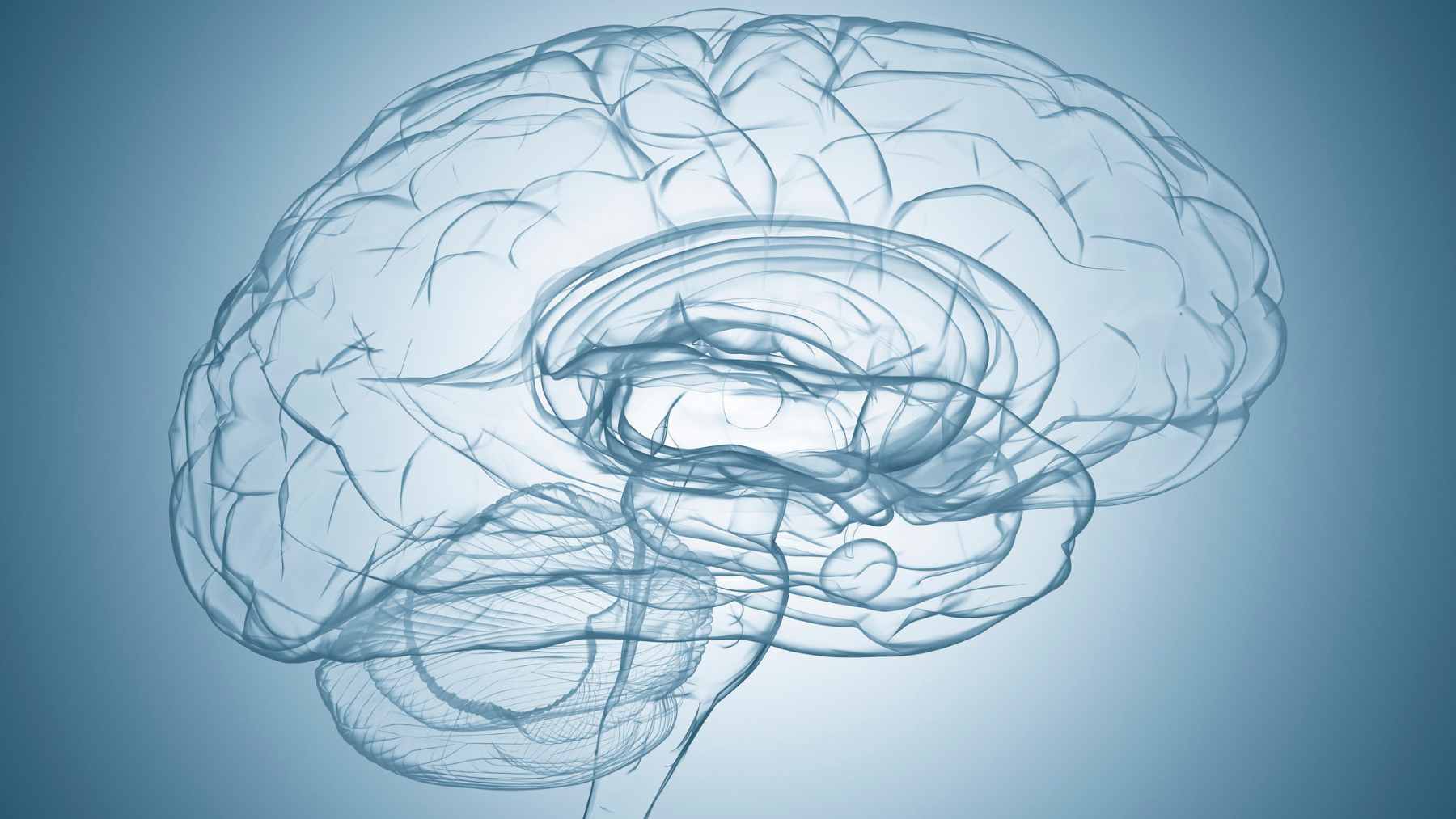
The results showed more widespread brain connectivity during handwriting, especially in theta and alpha frequency bands. These patterns were seen across central and parietal brain areas, which are involved in attention, sensory processing, and memory-related work.
In practical terms, handwriting asks the brain to coordinate more moving parts. Your fingers shape each letter, your eyes track the mark, and your mind has to keep up with the meaning of the words. Typing, by contrast, often repeats the same basic finger movement again and again.
Why slower can be smarter
Speed feels productive. Who does not want to capture every point in a meeting, class, or doctor’s appointment? The trouble is that faster is not always deeper.
A well-known 2014 study in Psychological Science found that students taking notes on laptops tended to transcribe more verbatim, while longhand note-takers were more likely to process and reframe ideas. In that research, the longhand group performed better on conceptual questions.
That makes sense in everyday life. When you cannot write everything down, you have to choose. You listen, compress, and decide what matters. That small friction can turn note-taking from a copying exercise into a thinking exercise.
The digital trap is not the keyboard
This is not a call to throw out laptops or pretend phones are the enemy. Digital tools are excellent for editing, sharing, storing, and searching information. A typed document is easier to revise, and a phone reminder can save the day when life gets busy.
But screens come with baggage. A note app may sit beside email, text alerts, news, and a dozen open tabs. Before you know it, one simple idea is competing with a grocery list, a group chat, and that notification you swore you would ignore.
A blank page changes the mood. There are no pop-ups, no links, no glowing badges asking for attention. Just a pen, a thought, and enough quiet for the thought to finish itself.
Paper as a self-care tool
For many people, handwriting works best as a small daily reset. It can be a morning list, a few lines before bed, or notes during a conversation when the goal is to understand rather than simply record. Nothing fancy.
This is where the wellness angle matters. Mental health is not only about big interventions. Sometimes it is also about protecting the small moments when the brain can slow down, sort through noise, and name what is actually happening.
Try writing the first version of a plan by hand before moving it to a screen. The page can hold messy thoughts without demanding instant polish. Later, the keyboard can help clean it up.
What the research does not prove
There is an important caveat. A 2025 commentary in Frontiers in Psychology argued that the EEG study should not be treated as proof that handwriting automatically improves learning in every setting. The authors noted that the experiment involved adults writing familiar words and did not directly test classroom learning outcomes.
That nuance matters. Brain connectivity is meaningful, but it is not the same thing as proving better grades, better memory, or better mental health for everyone. Experts are still debating when handwriting helps most and when typing is just as effective.
So, the honest takeaway is not “paper beats screens.” It is more useful than that. Handwriting may be especially helpful when the goal is to think slowly, remember meaning, plan carefully, or stay present with one idea at a time.
Finding the right balance
The smartest approach is not digital or analog. It is both. Use a keyboard when speed matters, a phone when convenience matters, and a notebook when depth matters.
For quick messages, type away. For appointments, use the app that keeps your calendar from falling apart. But when you need to understand a problem, prepare for a hard conversation, or make sense of a stressful week, the old pen-and-paper method still earns its place.
At the end of the day, handwriting gives the mind a different pace. Not a slower life, exactly. Just a quieter doorway into your own thoughts.
The study was published in Frontiers in Psychology.